


In this article, I’ll be talking about the Top Chainflip Rivals for Native Cross-Chain Swaps and the leading platforms that enable seamless cryptocurrency exchanges across different blockchain networks.
You will get to know their core features, liquidity solutions, security mechanisms, swapping features. This summary will help you understand how these options stack up against Chainflip and what makes each platform special in the cross-chain environment.
Key Points & Top Chainflip Rivals for Native Cross-Chain Swaps
| Platform | Explanation |
|---|---|
| THORChain | Enables native cryptocurrency swaps across blockchains without requiring wrapped assets or centralized intermediaries. |
| THORSwap | Provides a user-friendly interface for accessing THORChain’s native cross-chain cryptocurrency swapping capabilities. |
| NEAR Intents | Uses intent-based execution to route cross-chain swaps through competing solvers and liquidity providers. |
| Symbiosis Finance | Facilitates cross-chain token swaps across multiple blockchain networks through aggregated liquidity sources. |
| Rango Exchange | Aggregates decentralized exchanges and bridges to find efficient routes for cross-chain swaps. |
| Rubic Exchange | Aggregates cross-chain bridges and decentralized exchanges to simplify multi-network cryptocurrency trading. |
| Squid Router | Connects blockchain ecosystems, enabling cross-chain swaps and transfers through integrated decentralized infrastructure. |
| Jumper Exchange | Aggregates bridges and decentralized exchanges to help users transfer assets across blockchain networks. |
| ChangeNOW | Offers instant cryptocurrency exchanges across supported networks through a centralized, noncustodial exchange service. |
| Garden Finance | Enables cross-chain Bitcoin swaps using intent-based infrastructure and liquidity-efficient transaction mechanisms. |
10 Top Chainflip Rivals for Native Cross-Chain Swaps
1. THORChain
THORChain is a decentralized Layer-1 protocol that enables users to swap native cryptocurrencies between supported blockchains without the use of wrapped assets. It uses the concept of continuous liquidity pools, with RUNE as the common settlement asset, to connect different cryptocurrency pools. For example, the protocol allows users to swap native Bitcoin for native Ether without manually bridging assets or using a centralized exchange.
One of the closest competitors in the Top Chainflip Rivals for Native Cross-Chain Swaps category is THORChain as it is directly focused on native asset exchange. It’s architecture is different from other cross-chain routing solution due to its decentralized vaults and node-based security
THORChain Feature
| Feature | Explanation |
|---|---|
| Native Asset Swaps | Enables swaps between supported native cryptocurrencies across different blockchains without requiring wrapped assets. |
| Continuous Liquidity Pools | Uses liquidity pools connected through RUNE to facilitate cross-chain exchanges between supported assets. |
| Decentralized Infrastructure | Uses distributed node operators and threshold cryptography to manage vaults and authorize transactions. |
| Permissionless Access | Allows users to swap supported assets without creating accounts or relying on centralized exchange intermediaries. |
2. THORSwap
THORSwap is a multichain decentralized exchange interface which allows users access to cross-chain crypto swaps via an integrated trading experience. It does not rely on a single liquidity protocol, but connects users to infrastructure like THORChain, Chainflip and other providers it supports. So traders can experiment with various routes and exchange supported assets without the need to switch back and forth between different platforms.
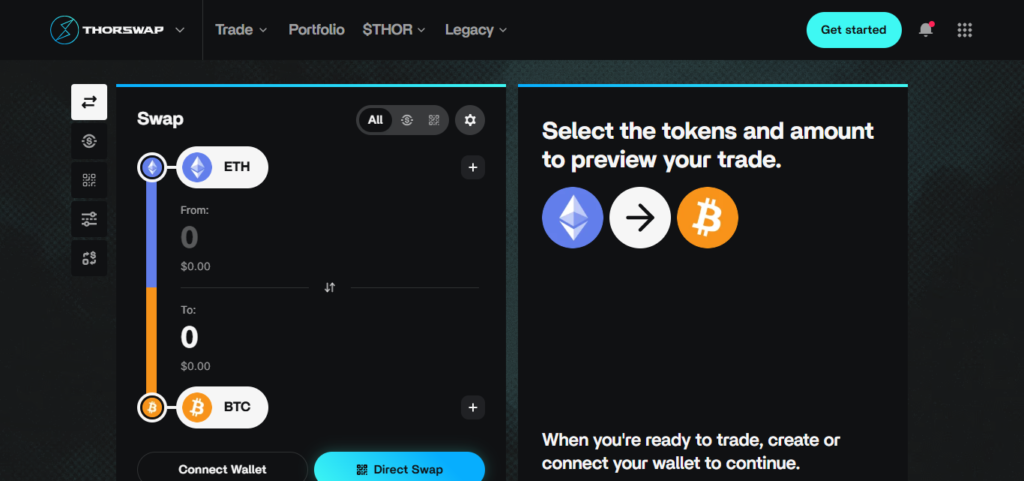
THORSwap is especially interesting as a Top Chainflip Rival for Native Cross-Chain Swaps as you get access to Chainflip itself and the rival protocols. That said, THORSwap is largely an interface and aggregation platform, not a direct equivalent to the underlying network architecture of Chainflip
THORSwap Feature
| Feature | Explanation |
|---|---|
| Multichain Swap Interface | Provides a unified interface for swapping cryptocurrencies across supported blockchain networks. |
| Multiple Swap Providers | Integrates providers including THORChain, Chainflip, Maya Protocol, and NEAR Intents. |
| Noncustodial Trading | Supports decentralized swap workflows that let users retain control of their wallets and transactions. |
| Simplified User Experience | Combines cross-chain trading options and related tools within one accessible platform. |
3. NEAR Intents
NEAR Intents is a cross-chain liquidity and transaction execution system that enables users to declare the assets they wish to swap, while the underlying infrastructure takes care of routing and settlement. The solver-based architecture allows competing providers to fulfilll user requests on all supported blockchain networks.
This could make swaps between ecosystems such as Bitcoin, Ethereum and other supported networks easier, depending on available routes and assets.

NEAR Intents is one of the Top Chainflip Rivals for Native Cross-Chain Swaps with intent-based execution, access to a wide range of assets and streamlined transaction processes. Chainflip doesn’t have dedicated liquidity and swap infrastructure like some projects. Instead, it relies on solvers to fulfilll intent-based user instructions.
NEAR Intents Feature
| Feature | Explanation |
|---|---|
| Intent-Based Swaps | Lets users specify desired assets and outcomes instead of manually choosing every execution step. |
| Competitive Solvers | Allows multiple market makers to submit quotes and compete to fulfil swap requests. |
| Cross-Chain Execution | Coordinates swaps across supported blockchain networks through compatible liquidity providers and settlement infrastructure. |
| On-Chain Settlement | Uses verifier contracts to validate and settle selected swap quotes on-chain. |
4. Symbiosis Finance
Symbiosis Finance is a cross-chain protocol that enables users to swap tokens and transfer value between supported blockchain networks. It combines cross-chain transaction infrastructure, liquidity sources and routing mechanisms to find suitable swap paths.
Depending on the transaction, assets may pass through intermediary tokens like USDC or WETH before reaching the destination asset. Its solver infrastructure assists in coordinating the transactions needed to complete these swaps.
Symbiosis is a top Chainflip competitor for native cross-chain swaps and competes on multichain accessibility and route selection. However, not all Symbiosis routes are direct native-to-native swaps, so users should check the assets, intermediaries, and execution requirements before trading.
Symbiosis Finance Feature
| Feature | Explanation |
|---|---|
| Cross-Chain Swaps | Enables token exchanges across supported blockchain networks through coordinated multistep transactions. |
| Liquidity Integration | Connects with liquidity protocols and external providers to facilitate supported asset conversions. |
| Cross-Chain Transfers | Coordinates asset movement between source and destination networks through its cross-chain infrastructure. |
| DeFi Operations | Supports cross-chain operations, including swaps, bridging, and liquidity-related transactions. |
5. Rango Exchange
Rango Exchange is a cross-chain aggregator that looks across decentralized exchanges, bridges, liquidity protocols and other swap infrastructure for routes between supported assets. Rango merges route discovery and execution into a single interface, without requiring users to manually identify each bridge or exchange.
This is especially useful when assets are spread across different blockchain ecosystems and transactions take multiple intermediate steps to complete. Rango is competing in the Top Chainflip Rivals for Native Cross-Chain Swaps category, offering wide interoperability and access to multiple underlying providers. It’s not a native-swap protocol, but a routing and aggregation layer. Assets are ultimately delivered depending on the route chosen.
Rango Exchange Feature
| Feature | Explanation |
|---|---|
| Route Aggregation | Searches multiple decentralized exchanges, bridges, and cross-chain protocols for suitable swap routes. |
| Broad Blockchain Coverage | Connects supported EVM, Cosmos, Bitcoin, Solana, and other blockchain ecosystems. |
| Smart Routing | Compares available execution paths to help users find suitable rates and transaction routes. |
| Developer Integration | Provides APIs and integration tools for wallets and applications requiring cross-chain swaps. |
6. Rubic Exchange
Rubic Exchange is a cross-chain aggregator that connects users with decentralized exchanges, bridges, intent-based protocols and other services for trading cryptocurrencies. Its routing tools let users compare transaction paths across supported networks, while its APIs and software development kits let wallets and decentralized applications add cross-chain swap functionality.
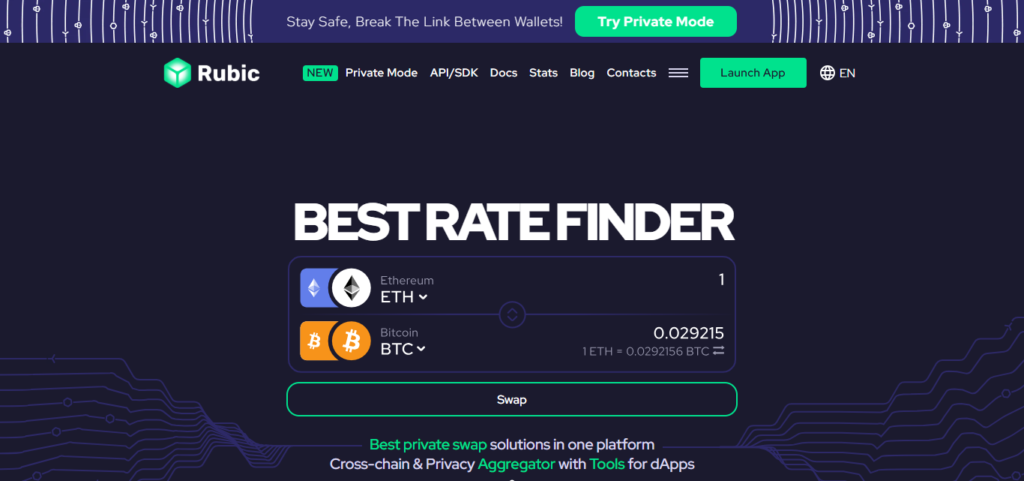
Rubic combines multiple providers to simplify asset transfers and reduce the need for users to cross different services. Rubic is a Top Chainflip Competitor for Native Cross-Chain Swaps at the Aggregation and User Access Level But what it can do depends on which underlying provider it uses. So some routes may be bridges or intermediary assets instead of native swaps.
Rubic Exchange Feature
| Feature | Explanation |
|---|---|
| Cross-Chain Aggregation | Combines routes from bridges, decentralized exchanges, and intent-based protocols. |
| Multichain Trading | Supports token swaps across compatible EVM, non-EVM, and Layer-2 networks. |
| Automated Execution | Integrates transaction routing and provider execution into a simplified swapping workflow. |
| Developer Tools | Offers APIs and software development tools for integrating swaps into decentralized applications. |
7. Squid Router
Squid Router is a cross-chain infrastructure that allows token swaps, asset transfers and cross-chain contract interactions through a unified routing system. It connects blockchain ecosystems by combining several interoperability protocols, decentralized exchange liquidity and execution mechanisms.
Its newer intent-based infrastructure, Squid Intents, uses competing solvers to fulfilll user orders, and its broader routing system can combine multiple protocols in a single transaction. Squid stands out amongst the top Chainflip Rivals for Native Cross-Chain Swaps thanks to its routing infrastructure

Which is able to integrate Chainflip for native Bitcoin and Solana swaps. This positions it as both a competitor for cross-chain execution, and a possible distribution partner routing transactions through Chainflip when it makes sense to do so.
Squid Router Feature
| Feature | Explanation |
|---|---|
| Cross-Chain Swaps | Routes token exchanges across supported networks through integrated liquidity and interoperability protocols. |
| Intent-Based Execution | Uses Squid Intents and competing solvers to fulfil eligible cross-chain swap requests. |
| Multi-Protocol Routing | Selects suitable interoperability infrastructure according to the source chain, destination chain, and transaction. |
| Developer Integration | Provides APIs, SDKs, and widgets for embedding cross-chain functionality into applications. |
8. Jumper Exchange
Jumper Exchange is a cross-chain swap interface within the LI.FI aggregation ecosystem. It combines different bridges and decentralized exchange services to help users find paths to transfer tokens across supported blockchains. Instead of users having to manually transfer assets through different apps, users can select the asset they want to transfer from and to and can compare the routes available for the transaction.

Jumper is an invaluable instrument for accessing liquidity on fragmented blockchain ecosystems. Jumper is one of the Top Chainflip Rivals for Native Cross-Chain Swaps. Competing largely on route discovery, transaction convenience and multichain access rather than as a dedicated native-asset liquidity protocol. The route, costs, speed and representation of assets will vary depending on the available providers for each swap.
Jumper Exchange Feature
| Feature | Explanation |
|---|---|
| Bridge Aggregation | Combines supported bridging providers to identify available routes between blockchain networks. |
| DEX Aggregation | Uses integrated decentralized exchange liquidity to support token conversions along selected routes. |
| Route Comparison | Helps users compare available swap paths, estimated outputs, and transaction costs. |
| Simplified Interface | Brings cross-chain swapping and bridging into a single user-facing application. |
9. ChangeNOW
ChangeNOW is a cryptocurrency exchange service that enables you to swap between supported digital currencies via a simple exchange interface. Normally, users select the currency they want to send, the currency they want to receive and enter the destination address to complete an exchange.
ChangeNOW is an exchange service, not a native cross-chain automated market maker like decentralized liquidity protocols such as Chainflip. But it competes for users who want simple cryptocurrency conversion, without having to manually interact with multiple blockchain apps.
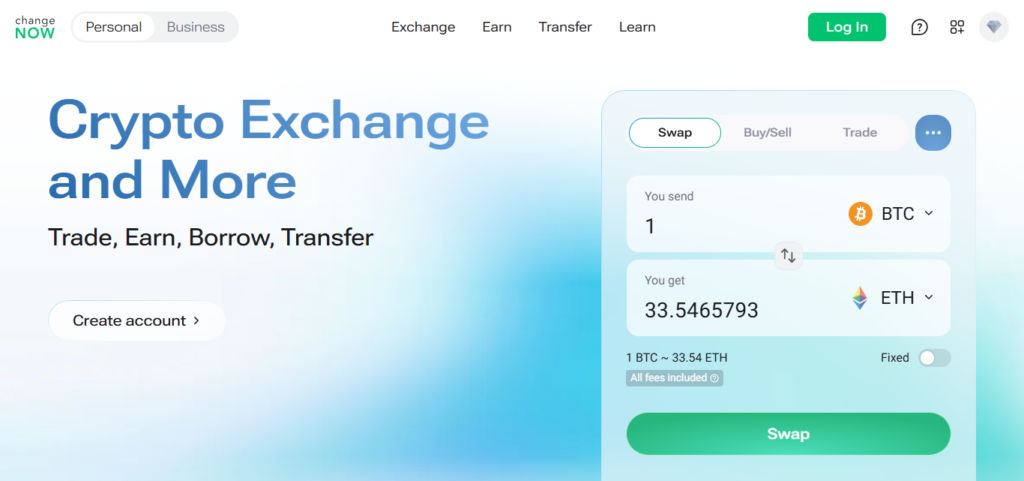
ChangeNOW does not offer the same protocol. Top Chainflip Rivals for Native Cross-Chain Swaps comparison is Adding an alternative exchange experience It is recommended that users check its custody model, transaction terms, supported networks and quoted fees before proceeding.
ChangeNOW Feature
| Feature | Explanation |
|---|---|
| Cryptocurrency Exchanges | Enables users to exchange supported cryptocurrencies through a simplified online service. |
| Cross-Network Conversions | Supports conversions involving assets on different networks when compatible exchange routes are available. |
| Simplified Transactions | Provides a straightforward workflow for selecting currencies, entering recipient details, and initiating exchanges. |
| Exchange Rate Options | Offers exchange quotes according to the selected currencies and available transaction conditions. |
10. Garden Finance
Garden Finance is a cross-chain swapping platform to move native assets between supported blockchain ecosystems such as Bitcoin and various smart-contract networks. It utilizes atomic cross-chain intents and Hashed Time-Locked Contracts (HTLCs) to coordinate trades between users and independent solvers.
Both parties lock the relevant funds and the swap is completed via a cryptographic redemption process. If the required steps are not completed, the protocol provides a refund mechanism after the applicable conditions are met.
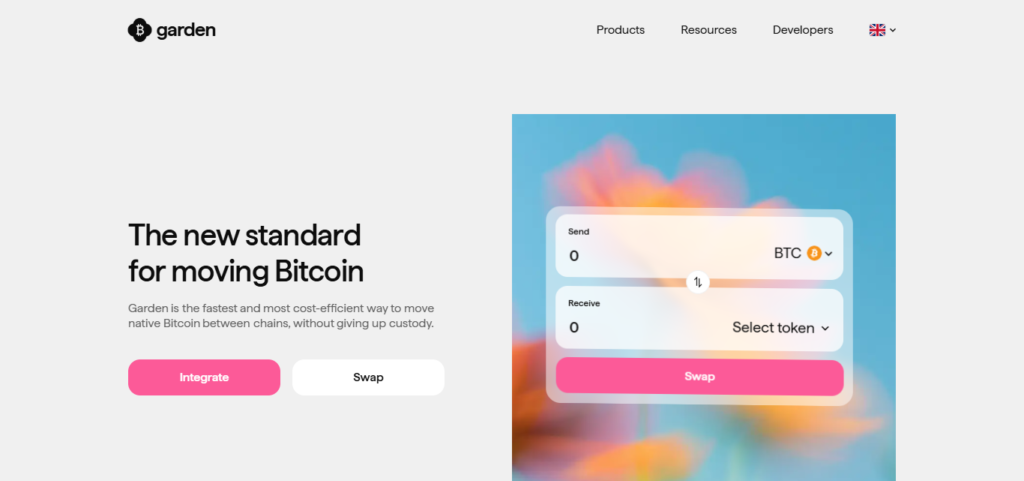
Garden is especially relevant because it is one of the top Chainflip rivals for native cross-chain swaps thanks to its focus on native Bitcoin interoperability and non-custodial execution. Its solver-based design sets it apart from Chainflip’s liquidity-pool architecture, providing an alternative approach to cross-chain exchange.
Garden Finance Feature
| Feature | Explanation |
|---|---|
| Native Cross-Chain Swaps | Focuses on exchanging assets across supported blockchains, including Bitcoin-related swap routes. |
| Atomic Swap Mechanism | Uses Hashed Time-Locked Contracts (HTLCs) to coordinate conditional settlement between swap participants. |
| Solver-Based Matching | Matches user swap intents with independent solvers that provide the destination-side liquidity. |
| Noncustodial Settlement | Uses smart-contract-enforced conditions to return funds if the required swap steps are not completed. |
Conclusion
To summarize, the Top Chainflip Rivals for Native Cross-Chain Swaps provide different ways to trade cryptocurrency across blockchain networks. Rango, Rubic and Jumper provide cross-chain aggregation, while THORChain and Garden Finance are examples of platforms that focus on native asset swaps.
Solvers provide flexible execution of NEAR Intents transactions. Users can compare supported networks, liquidity, security, and fees to find suitable alternatives to Chainflip.
FAQ
THORChain, THORSwap, NEAR Intents, Symbiosis Finance, and Garden Finance are notable alternatives.
THORChain enables native cryptocurrency swaps through decentralized liquidity pools across supported blockchains.
NEAR Intents uses competing solvers to fulfil cross-chain swap requests across supported networks.
THORSwap aggregates multiple swapping providers, including protocols competing directly with Chainflip.