

In this article, I will cover the Best Rango Exchange Rivals for Multi-Routing, exploring the best alternatives for cross-chain swaps, liquidity aggregation, and optimized transaction routing.
We will compare platforms like LI.FI, RocketX, deBridge, 1inch Network, and others on supported blockchain networks, transaction fees, speed, security, and key features to help you choose the right solution.
Best Rango Exchange Rivals for Multi-Routing
- LI.FI: Aggregates cross-chain bridges and decentralized exchanges, optimizing routes for efficient token swaps.
- RocketX: Compares liquidity across centralized and decentralized exchanges to find competitive swap rates.
- deBridge: Enables fast cross-chain transfers through liquidity-efficient routing and secure blockchain interoperability infrastructure.
- 1inch Network: Aggregates decentralized exchange liquidity, finding optimized token swap routes across supported networks.
- Across Protocol: Specializes in fast, low-cost cross-chain transfers using an intent-based bridging architecture design.
- Odos: Splits trades across liquidity sources to improve pricing and reduce slippage overall.
- Rubic: Aggregates cross-chain bridges and exchanges, helping users compare routes for token swaps.
- Symbiosis Finance: Provides cross-chain swaps across multiple networks through integrated liquidity and bridging technology.
- SushiSwap: Offers decentralized trading and cross-chain swap access through its expanding DeFi ecosystem.
- OpenOcean: Aggregates liquidity from decentralized exchanges to optimize swap prices across supported chains efficiently.
10 Best Rango Exchange Rivals for Multi-Routing
1. LI.FI
LI.FI is a good alternative to Rango Exchange for applications that need to multi-route across DEXs and cross-chain bridges. It aggregates the available routes so the users can compare execution prices, liquidity, and transfer options. We integrate with Ethereum, Arbitrum, Optimism, Polygon, Base, BNB Chain and more chains, but availability depends on the route you select.
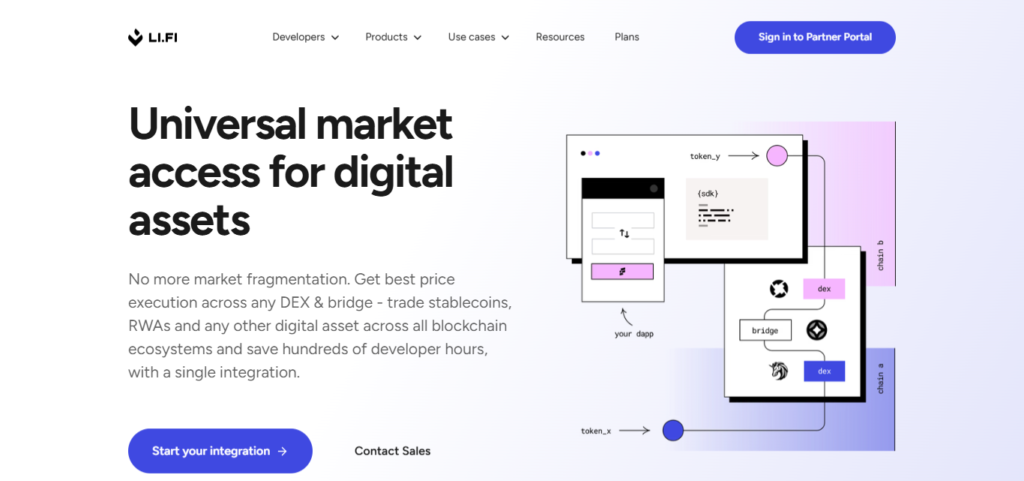
Cross-chain swaps combine bridging and token swaps into a single flow. The transaction speed depends on the bridge, target network and confirmations needed. Costs may include network gas, bridge or provider fees and applicable integrator fees; LI.FI’s default integrator fee is listed at 25 basis points.
LI.FI Feature
| Feature | Explanation |
|---|---|
| Cross-Chain Routing | Connects swaps and bridges to find suitable cross-chain transaction routes. |
| Multi-Chain Support | Supports multiple blockchain networks, including Ethereum, Arbitrum, Base, and Polygon. |
| Liquidity Aggregation | Sources routes from integrated decentralized exchanges and bridging providers. |
| Developer APIs | Provides APIs and SDKs for integrating cross-chain swaps into applications. |
2. RocketX
RocketX is currently working on aggregating exchange and cross-chain swap options, delivering liquidity from multiple trading providers into a single interface. It may be taken into consideration by users looking for other ways to exchange assets between supported blockchain networks.
Network coverage and available routes depend on the assets selected and integrated providers so please check the support before starting a swap. The exchange can be combined with a bridge or other transfer mechanism to facilitate cross-chain transactions.
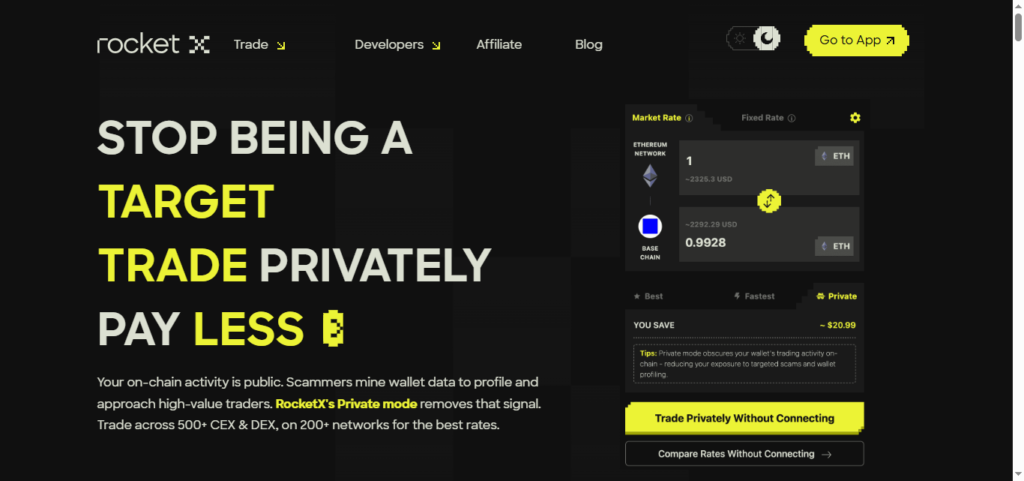
Total costs may include provider fees, network gas and any platform fees displayed. Transaction speed depends on congestion of the blockchain, liquidity and route you take. Compare live quotes instead of assuming a fixed transaction time.
RocketX Feature
| Feature | Explanation |
|---|---|
| Exchange Aggregation | Aggregates trading options from integrated centralized and decentralized exchanges. |
| Cross-Chain Swaps | Helps users exchange crypto assets across supported blockchain networks. |
| Rate Comparison | Allows users to compare available swap quotes and potential execution costs. |
| Simplified Trading | Offers a unified interface for accessing integrated exchange and swap services. |
3. deBridge
deBridge is an interoperability protocol for cross-chain transfer of assets and data between supported blockchains. Its services include native token transfers, cross-chain swaps and limit-order functionality, making it relevant for users comparing Rango’s routing alternatives.
It supports Ethereum, Solana, Tron, BNB Chain, Base, Arbitrum and other integrated chains. Its support docs say transaction fees can include a fixed chain fee, dynamic solver gas costs and source-chain gas.
Some transfers may take a few seconds to complete, but the actual time depends on the network conditions and execution. Users should check live quote, destination asset and estimated amount received before confirming transactions.
deBridge Feature
| Feature | Explanation |
|---|---|
| Cross-Chain Transfers | Transfers supported assets between different blockchain networks. |
| Fast Execution | Uses cross-chain infrastructure and solvers to facilitate eligible transactions. |
| Cross-Chain Swaps | Supports asset exchanges across connected networks and supported routes. |
| Developer Infrastructure | Provides APIs and tools for integrating cross-chain functionality into applications. |
4. 1inch Network
1inch Network is a decentralized exchange aggregator that scans liquidity sources to find the best routes to swap tokens. Its cross-chain swap feature also allows users to swap assets between supported networks in a single integrated process.
We support chains like Ethereum, Arbitrum, Optimism, Polygon, Base, BNB Chain, Avalanche, Solana and many more, depending on the product and execution mode. Eligible intent-based swaps can offer users gasless execution, while classic swaps typically require network gas.
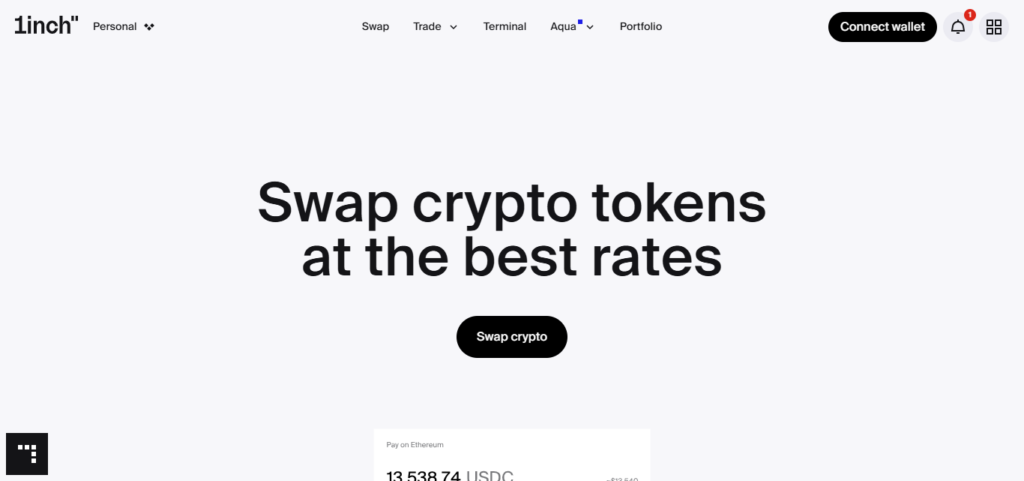
Cross-chain availability, fees, asset pairs and method of execution vary by route. The speed of a transaction depends on settlement, liquidity and network conditions. Users should compare the output and cost quoted before trading.
1inch Network Feature
| Feature | Explanation |
|---|---|
| DEX Aggregation | Searches integrated decentralized exchanges for competitive swap opportunities. |
| Smart Routing | Identifies routes designed to improve trade execution and pricing. |
| Trade Splitting | Can distribute eligible swaps across multiple liquidity sources. |
| Cross-Chain Swaps | Supports cross-chain exchange functionality through compatible products and routes. |
5. Across Protocol
Across Protocol is a cross-chain transfer protocol built on intent-based architecture and competitive relayers. It is especially relevant when users want to move supported assets between networks fast rather than compare a wide range of same-chain DEX routes. It supports Ethereum, Arbitrum, Optimism, Base, Polygon, BNB Chain and other chains that are listed in its current documentation.
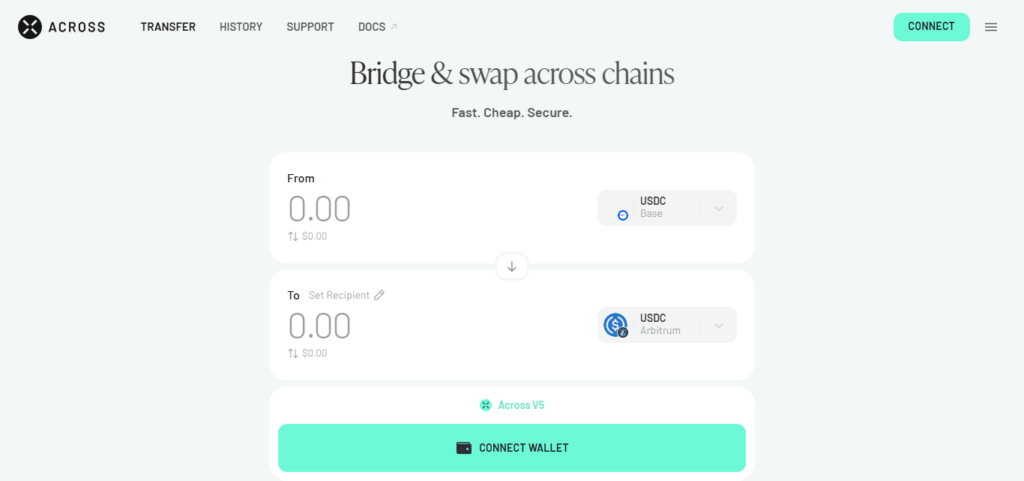
Across also offers cross-chain swaps through its Swap API. Pricing is on a per-route basis, with total costs depending on the transfer, gas conditions and quoted execution . There are many reports of transfers being completed in about two seconds, but this is not something that can be guarantyd on every transaction
Across Protocol Feature
| Feature | Explanation |
|---|---|
| Intent-Based Bridging | Uses intents and relayers to facilitate supported cross-chain transfers. |
| Fast Transfers | Offers rapid execution for eligible transfers through its relayer network. |
| Competitive Fees | Uses route-based pricing that can reduce transfer costs for supported transactions. |
| Cross-Chain Integration | Provides infrastructure and APIs for applications requiring cross-chain asset movement. |
6. Odos
Odos is a decentralized exchange aggregator, known for its smart order routing and splitting trades across liquidity sources. This can help users get competitive prices, especially where a large swap can benefit from accessing a number of pools rather than a single venue.
Odos current integrations will dictate the supported blockchain networks and tokens, so please check the blockchain compatibility for the trade you intend to make. The main strength is on-chain swap optimization and not a generic cross-chain bridge aggregator.
Network gas and applicable swap or integration fees are typically included in transaction costs. How fast it executes depends on the route you have chosen, the liquidity in the pools you are routing through and how busy the underlying blockchains are. Check the quoted output and gas estimate before confirming
Odos Feature
| Feature | Explanation |
|---|---|
| Smart Order Routing | Searches liquidity sources to identify suitable swap execution paths. |
| Trade Splitting | Distributes trades across liquidity pools when this improves execution. |
| Price Optimization | Aims to improve the amount received by optimizing available swap routes. |
| Developer Tools | Provides APIs and integration tools for decentralized trading applications. |
7. Rubic
Rubic combines cross-chain and on-chain swaps via integrations with bridges, decentralized exchanges and intent-based protocols. Its aim is to enable the exchange of assets between separate blockchain ecosystems with one interface.
It provides network coverage for EVM-compatible, non-EVM, and Layer 2 networks, but availability is dependent on the integrated providers and supported assets. According to Rubic’s docs, there are currently no protocol fees for swaps under $100, but fees could be applicable for other types of transactions depending on the provider and route.
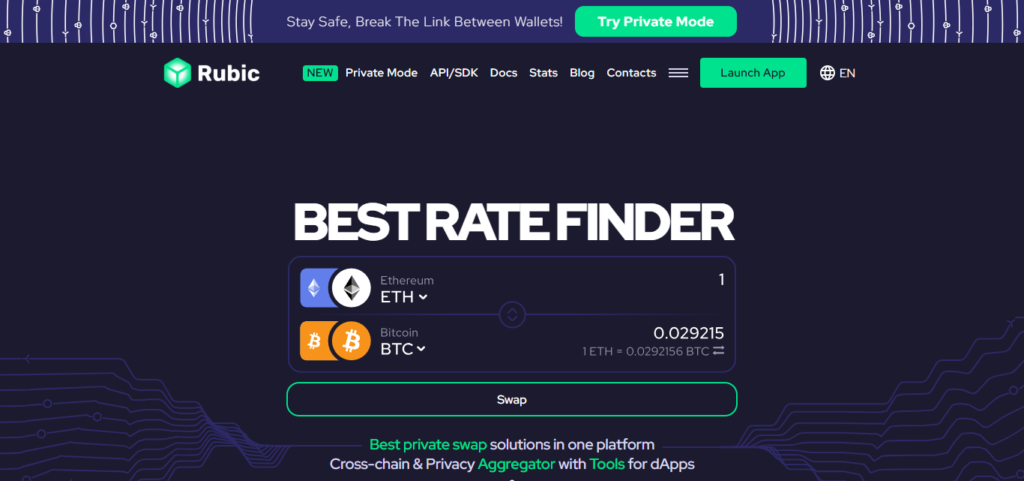
Users should also take into account network gas, if applicable. Transaction speed depends on bridge, liquidity and destination chain conditions, so please check available quotes and estimated completion times.
Rubic Feature
| Feature | Explanation |
|---|---|
| Cross-Chain Aggregation | Connects supported bridges and exchanges for cross-chain transactions. |
| Multi-Chain Swaps | Enables token exchanges across supported blockchain networks. |
| Route Comparison | Helps users compare available routes and estimated swap outcomes. |
| Integration Options | Offers tools and APIs for integrating swap functionality into applications. |
8. Symbiosis Finance
Symbiosis Finance makes cross-chain swaps possible by providing liquidity bridges between the blockchain networks it supports. Its interface is built to help users move assets between chains without needing to manually coordinate each bridging and swapping step. Supported networks include Ethereum, BNB Chain, Polygon, Avalanche, Arbitrum, Base, and other blockchains listed in its documentation.
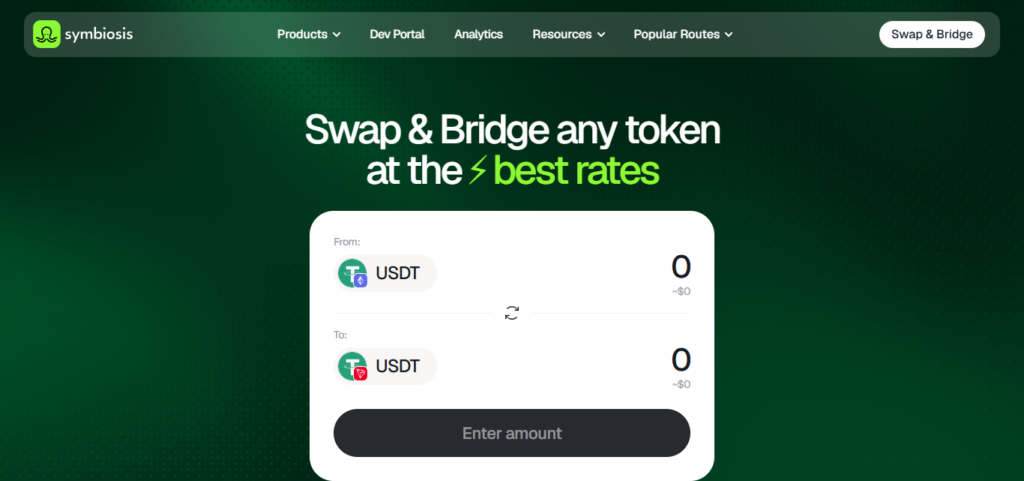
A cross-chain operation requires multiple steps on-chain, hence the total cost can be composed of source-chain gas, destination-chain execution costs, and protocol or provider fees. There is no one settlement time, transaction speed depends on the networks and route involved. Before confirming a swap, users should check the estimated amount to be received, fees and current route availability.
Symbiosis Finance Feature
| Feature | Explanation |
|---|---|
| Cross-Chain Swaps | Facilitates token exchanges between supported blockchain networks. |
| Liquidity Integration | Connects liquidity sources to support cross-chain transaction routes. |
| Multi-Chain Access | Supports multiple blockchain ecosystems through integrated infrastructure. |
| Unified Interface | Simplifies the process of selecting assets and initiating cross-chain swaps. |
9. SushiSwap
SushiSwap is a decentralized exchange ecosystem with token swaps and liquidity pools on supported blockchain networks. It can be an alternative for users that want to trade on-chain, but it’s core DEX functionality is not the same as a dedicated cross-chain aggregator like Rango.
Features and supported networks are dependent on deployment. Users should verify that the current interface supports the chain and token pair they are planning to use. Standard swaps typically incur pool trading fees and gas costs on the blockchain.
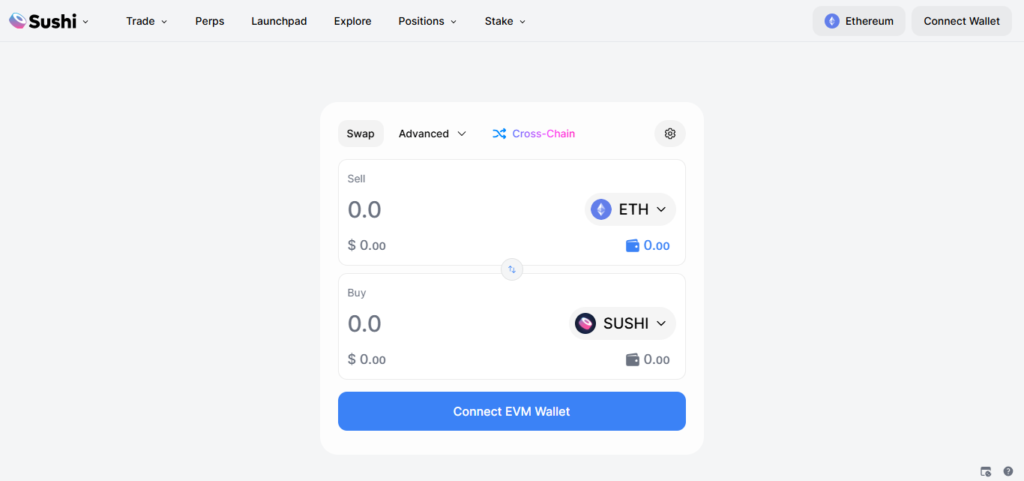
If an integrated service provides a cross-chain route, there may be additional fees from the bridge or provider. Transaction speed will depend on the network selected, congestion and confirmation requirements. Compare final quoted output and all transaction costs before execution
SushiSwap Feature
| Feature | Explanation |
|---|---|
| Decentralized Trading | Enables users to swap tokens through decentralized exchange infrastructure. |
| Liquidity Pools | Uses liquidity pools to facilitate supported token trades. |
| Multi-Chain Availability | Offers deployments across multiple blockchain networks, depending on current integrations. |
| DeFi Integration | Provides decentralized trading infrastructure for users and applications across supported ecosystems. |
10. OpenOcean
OpenOcean is a cross-chain liquidity aggregator, comparing liquidity and optimizing swap execution via smart order routing. The documentation states that it supports over 40 chains, including Ethereum, BNB Chain, Arbitrum, Base, Polygon, Optimism, Avalanche and Solana, with some API features restricted by network. Supported integrations and transaction flows enable cross-chain swaps.
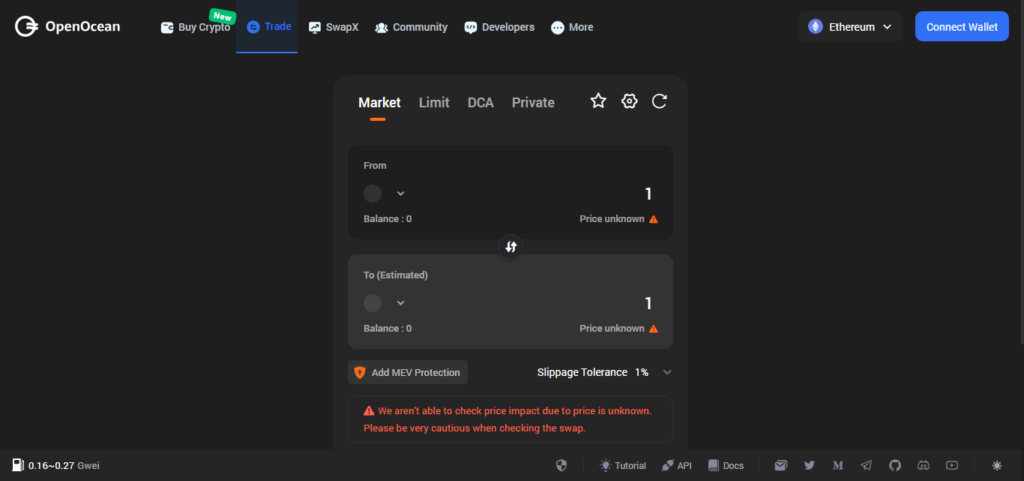
The documented trading fees for public Swap API are as follows, depending on token category: 0.01% for stable pairs, 0.1% for correlated pairs, 0.25% for common tokens, 0.5% for exotic tokens. Gas for the network is different. The transaction speed is contingent on liquidity, route complexity and the blockchain’s condition.
OpenOcean Feature
| Feature | Explanation |
|---|---|
| Liquidity Aggregation | Sources liquidity from integrated decentralized exchanges across supported networks. |
| Smart Swap Routing | Searches available trading paths to optimize swap execution. |
| Multi-Chain Support | Provides access to token swaps across numerous supported blockchain networks. |
| API Integration | Offers developer APIs for embedding swap aggregation into crypto applications. |
How We Choose Best Rango Exchange Rivals for Multi-Routing
- Supported Networks: Evaluated blockchain coverage and compatibility across multiple networks.
- Multi-Routing: Compared route aggregation and transaction path optimization capabilities.
- Cross-Chain Swaps: Assessed efficiency in exchanging tokens across different blockchains.
- Transaction Fees: Compared platform fees, bridge charges, and estimated network gas costs.
- Transaction Speed: Considered execution times and cross-chain settlement efficiency.
- Liquidity Aggregation: Evaluated access to liquidity sources and competitive swap rates.
- Slippage Control: Assessed methods for minimizing price impact during token swaps.
- Security: Reviewed protocol architecture, audits, and available security documentation.
- User Experience: Compared interface simplicity, transaction transparency, and swap accessibility.
- Developer Tools: Evaluated API availability, SDKs, and integration capabilities.
Conclusion
To summarize : The best Rango Exchange Rivals for multi-routing are LI.FI, RocketX, deBridge, 1inch Network, Across Protocol, Odos, Rubic, Symbiosis Finance, SushiSwap, and OpenOcean. Each platform has its own advantages in cross-chain swaps, liquidity aggregation, and route optimization.
Before switching to another one, you should compare the supported blockchain networks, fees, speed of execution, security features, and routing capabilities to choose the best option for you.
FAQ
Multi-routing compares multiple liquidity sources, exchanges, or bridges to find suitable transaction paths and competitive swap rates.
LI.FI, deBridge, Across Protocol, Rubic, and Symbiosis Finance provide cross-chain functionality through supported networks and integrations.
LI.FI, 1inch Network, Odos, and OpenOcean offer liquidity aggregation or route optimization for supported decentralized exchanges.
Across Protocol and deBridge focus on efficient cross-chain transfers, although actual completion times depend on routes and network conditions.