


In this article, I will discuss the Top Mayan Finance Competitors for Cross-Chain Swaps. These are the leading platforms that enable users to transfer and swap digital currencies across different blockchain networks.
We’ll review their key features, pros and cons to help you understand how each platform compares to Mayan Finance and choose a viable solution for your cross-chain swapping needs.
Key Points & Top Mayan Finance Rivals for Cross-Chain Swaps
| Rival | Explanation |
|---|---|
| Jumper Exchange | Aggregates multiple bridges and decentralized exchanges, helping users swap assets across blockchains efficiently. |
| Rango Exchange | Routes cross-chain swaps across numerous blockchains, bridges, and decentralized exchanges for convenience. |
| Rubic | Enables cross-chain and multichain token swaps through integrated decentralized exchange and bridge solutions. |
| deBridge | Facilitates fast cross-chain transfers and swaps with liquidity-efficient blockchain interoperability infrastructure. |
| Across Protocol | Provides fast, capital-efficient cross-chain transfers using intents and competitive relayer networks. |
| Stargate Finance | Enables cross-chain asset transfers through unified liquidity pools supporting seamless omnichain transactions. |
| 1inch Network | Aggregates decentralized exchanges to find competitive token swap rates across supported blockchain networks. |
| Symbiosis | Offers cross-chain swaps and liquidity access across multiple blockchain ecosystems through aggregation. |
| Synapse Protocol | Supports cross-chain token swaps and transfers through interoperable bridges and liquidity pools. |
| Wormhole Portal | Enables cross-chain token transfers and wrapped asset bridging across numerous blockchain networks. |
10 Top Mayan Finance Rivals for Cross-Chain Swaps
1. Jumper Exchange
Jumper Exchange is a cross-chain swap aggregator that enables users to easily swap their cryptocurrency between supported blockchain networks. It connects bridge providers, decentralized exchanges and routing infrastructure so users can discover various ways to transfer and exchange tokens through a single interface.
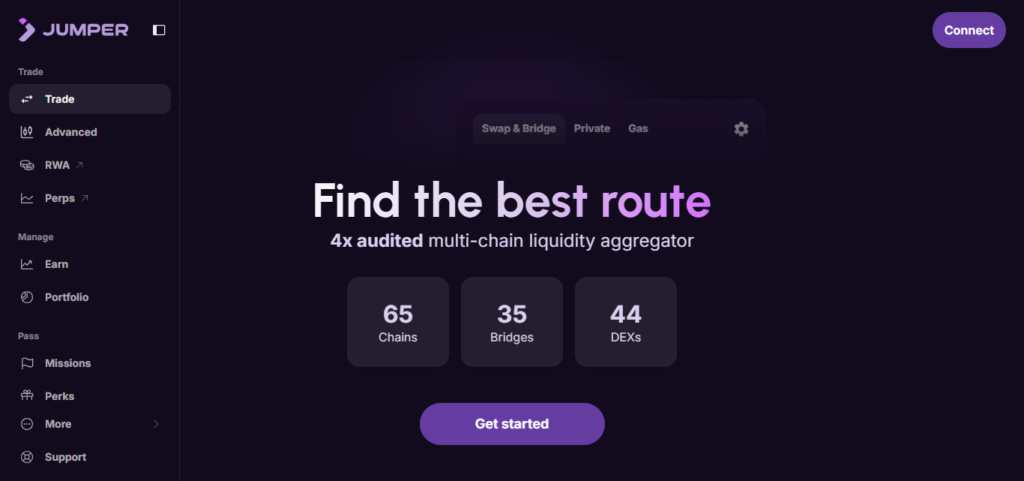
Instead of manually selecting multiple bridges and swap platforms, users can compare the available routes and choose one based on expected output, transaction costs and speed. Jumper is a relevant Mayan Finance competitor as both aim to make cross-chain transactions more accessible. Actual availability, fees and execution times are dependent on the selected route and supported assets.
Jumper Exchange Pros & Cons
| Pros | Cons |
|---|---|
| Aggregates multiple bridges and decentralized exchanges, helping users compare available cross-chain swap routes. | Route availability depends on integrated providers, supported networks, and liquidity conditions. |
| Simplifies cross-chain transactions through a user-friendly interface and consolidated quotes. | Multi-step routes can increase complexity and introduce additional transaction failure points. |
| Helps users compare estimated output, transaction fees, and execution options. | Final costs and received amounts may change with network conditions and slippage. |
2. Rango Exchange
Rango Exchange is a multichain aggregator of swaps that connects DEX, bridges, and cross-chain liquidity providers, all in a single platform. Its routing engine finds possible transaction routes that enable users to swap tokens across various blockchain ecosystems without requiring them to manually coordinate each intermediary step.
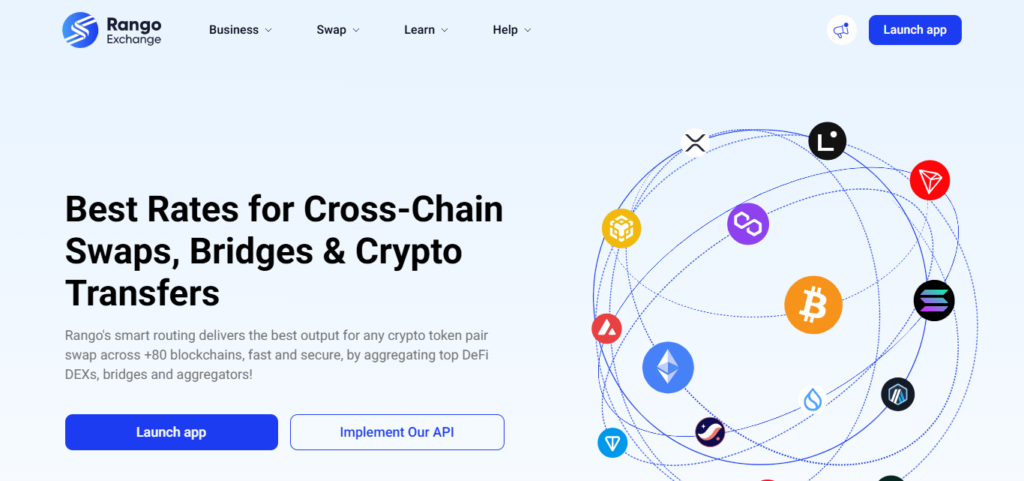
Rango supports a wide range of networks and offers tools for wallets, decentralized applications and developers through APIs and software development kits. This makes it a good alternative to Mayan Finance for users who appreciate wide coverage of blockchains and flexible routing. Before confirming a swap, check the proposed route, estimated output, network fees, and execution requirements.
Rango Exchange Pros & Cons
| Pros | Cons |
|---|---|
| Aggregates bridges, decentralized exchanges, and liquidity providers across diverse blockchain ecosystems. | Complex routing can sometimes increase quote generation time or transaction steps. |
| Offers cross-chain swap tools, APIs, and SDKs for developers. | Actual route availability depends on supported assets and integrated protocols. |
| Supports swaps across multiple networks through a unified interface. | Users may need compatible wallets and sufficient gas for certain routes. |
3. Rubic
Rubic is a cross-chain crypto aggregator that integrates decentralized exchanges, bridge services and other transaction-routing solutions to help make multichain trading easier. It enables users to discover token swaps on supported networks through one interface, instead of looking for different services on each blockchain.
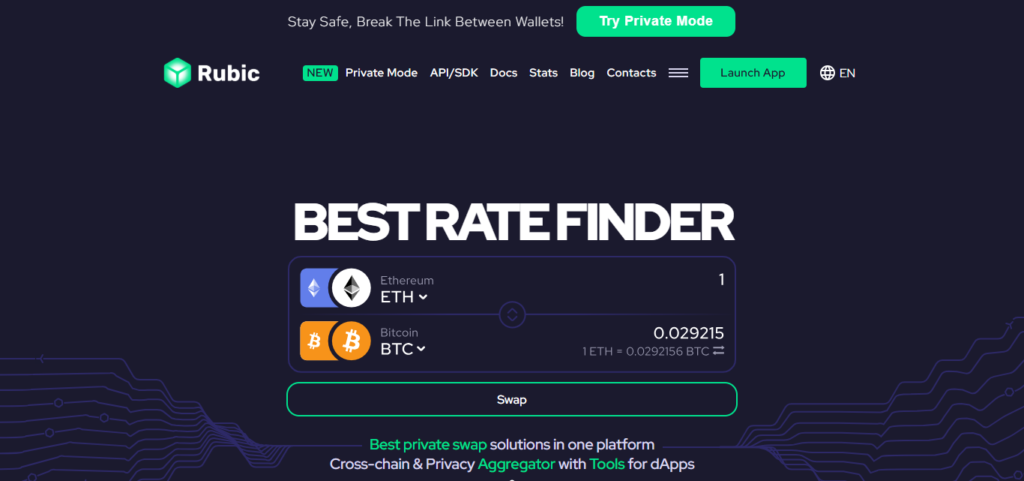
Rubic also has APIs and software development kits that help other Web3 apps add cross-chain swap functionality. When compared to Mayan Finance, Rubic is especially helpful for users who want to access multiple liquidity sources and a wide range of tokens. Users should check details before completing any transaction, as routes available, transaction costs and supported assets vary.
Rubic Pros & Cons
| Pros | Cons |
|---|---|
| Aggregates swap providers and bridges to simplify multichain cryptocurrency exchanges. | Provider fees and bridge costs can vary significantly between routes. |
| Offers integration options for decentralized applications through developer tools. | Some token pairs or blockchain combinations may lack suitable routes. |
| Helps users compare available swap options without manually searching multiple platforms. | Execution speed and transaction reliability depend on selected third-party services. |
4. deBridge
deBridge is a cross-chain interoperability protocol that enables the transfer of digital resources and information across supported blockchain networks. Its infrastructure allows applications and users to transact cross-chain without being limited to traditional lock-and-mint bridge designs.
The protocol also supports cross-chain trading functionality and integrations for developers, useful for applications that require efficient asset movement between ecosystems. deBridge is a Mayan Finance competitor that does things differently
focusing on interoperability, liquidity execution and streamlined transactions. Execution characteristics are dependent on the assets and chains involved. Users should review the supported networks, transaction quotes, security assumptions and fees per route.
deBridge Pros & Cons
| Pros | Cons |
|---|---|
| Uses cross-chain liquidity infrastructure to facilitate transfers between supported blockchain networks. | Supported tokens and networks may not cover every desired transaction. |
| Supports cross-chain swaps and developer integrations for decentralized applications. | Pricing can vary with liquidity availability and market-maker execution conditions. |
| Its order-based approach can provide efficient execution on eligible routes. | Transactions still involve smart-contract, protocol, and cross-chain infrastructure risks. |
5. Across Protocol
Across Protocol is a cross-chain transfer protocol that leverages intent-based architecture and a network of relayers to move assets across supported blockchains. Relayers can offer destination chain liquidity prior to the underlying settlement process being finalized, enabling eligible transactions to finalize quickly for users.
The protocol is particularly relevant for applications where effective transfers between Ethereum and supported layer-two networks are a priority. Across provides a more specialized solution compared to Mayan Finance, focusing on cross-chain transfer infrastructure and execution efficiency,
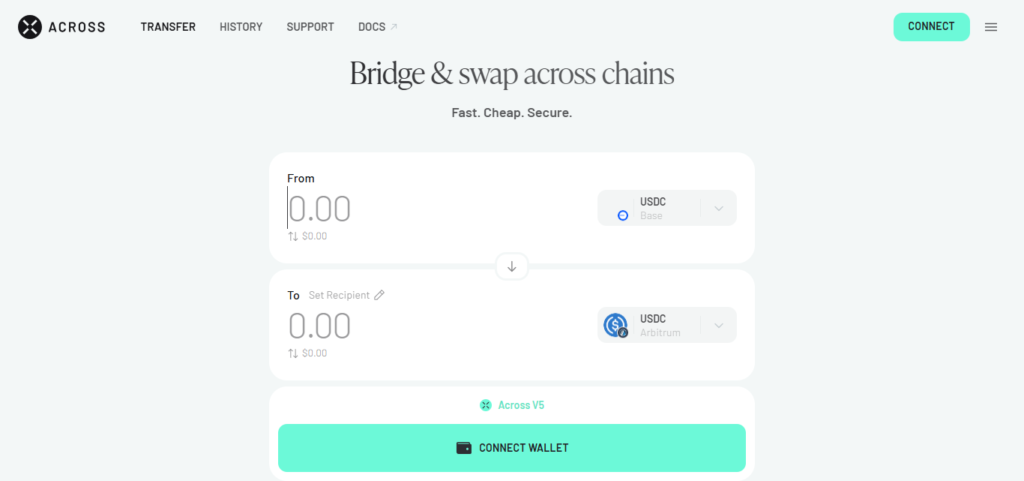
but with different supported routes and assets. Users are advised to verify the quoted costs, destination availability and settlement terms before sending money. Each transaction is different in speed and price.
Across Protocol Pros & Cons
| Pros | Cons |
|---|---|
| Intent-based transfers and relayers can enable fast transactions on supported routes. | Primarily suited to supported transfer paths rather than every possible cross-chain swap. |
| Focuses on capital efficiency and competitive costs across compatible networks. | Fees and availability depend on relayer liquidity and network conditions. |
| Offers infrastructure that developers can integrate into cross-chain applications. | Destination-chain support and token availability can limit flexibility. |
6. Stargate Finance
Stargate Finance is a cross-chain liquidity transport protocol that aims to make it easier to move supported electronic assets between blockchain networks. Its architecture includes unified liquidity pools and cross-chain messaging infrastructure enabling transfers across supported networks.
Users can move eligible assets between chains, while developers are able to plug Stargate into decentralized exchanges and other decentralized finance applications. Stargate competes with Mayan Finance to fulfilll the same larger demand for easy cross-chain asset movement, but with a different liquidity model and supported routes.
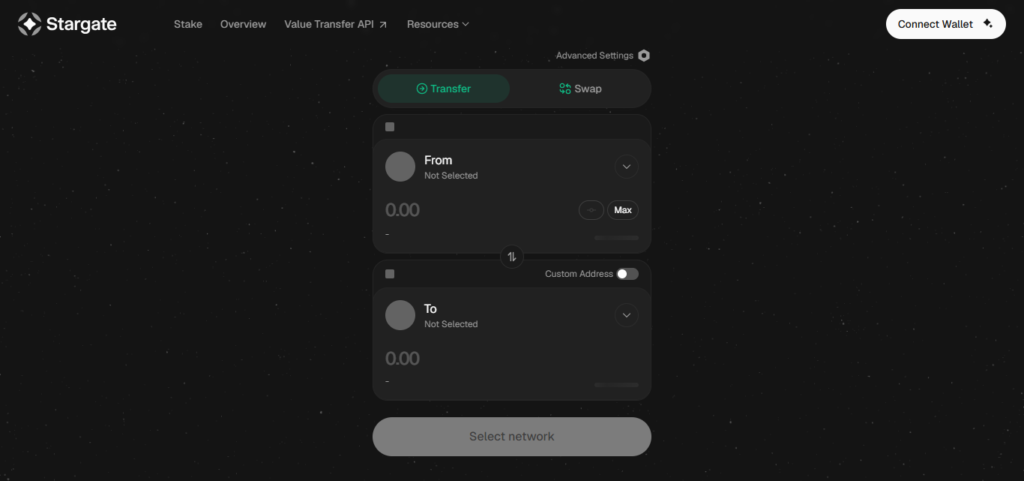
Users should check available transfer pairs, liquidity conditions, fees and destination requirements before using to understand the actual cost and expected outcome of a transaction.
Stargate Finance Pros & Cons
| Pros | Cons |
|---|---|
| Unified liquidity pools support asset transfers across compatible blockchain networks. | Liquidity may vary between pools, affecting available routes and transfer costs. |
| Provides cross-chain transfer infrastructure for users and decentralized applications. | Supported assets and routes are limited to available integrations. |
| Helps simplify transfers without requiring users to coordinate separate bridge services. | Pool fees, gas costs, and protocol dependencies affect transaction economics. |
7. 1inch Network
1inch Network is a decentralized exchange aggregator that finds the best prices across a number of liquidity sources for users to swap their cryptocurrencies. It’s routing technology slices trades across multiple liquidity venues to optimize execution depending on the assets and networks involved.
However, 1inch is more well known for on-chain swaps, rather than being exclusively a cross-chain bridge. It’s a good comparison to the trading and routing features of Mayan Finance, as it has aggregation capabilities as well.
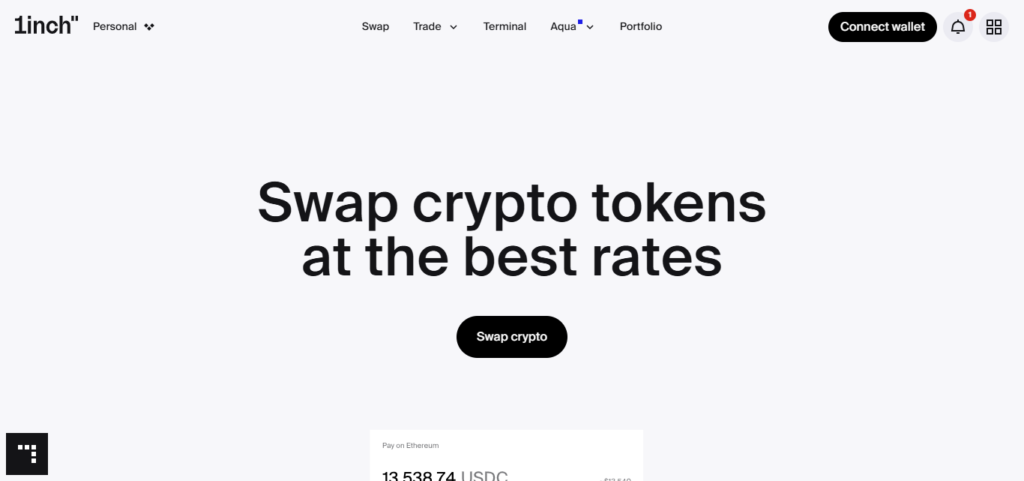
Users should distinguish its native same-chain swap capability from cross-chain services offered by integrated products or partners. You can compare quoted output, slippage, gas costs and network support to help determine which solution is appropriate for a particular trade.
1inch Network Pros & Cons
| Pros | Cons |
|---|---|
| Aggregates decentralized exchanges to identify competitive swap rates across supported networks. | Its core aggregation service primarily focuses on same-chain swaps, not universal bridging. |
| Can split trades across liquidity sources to improve execution efficiency. | Complex trades may experience slippage, gas costs, or limited liquidity. |
| Offers trading infrastructure and developer tools for decentralized finance applications. | Cross-chain functionality depends on the specific products and integrations available. |
8. Symbiosis
Symbiosis is a cross-chain DeFi protocol that enables users to swap tokens and transfer assets across supported blockchain networks. It combines liquidity and bridging mechanisms to make transactions easier that would otherwise require separate services on the source and destination chains.
The platform is a suitable alternative to Mayan Finance as it aims to provide access to multi-chain asset exchanges through a single interface.
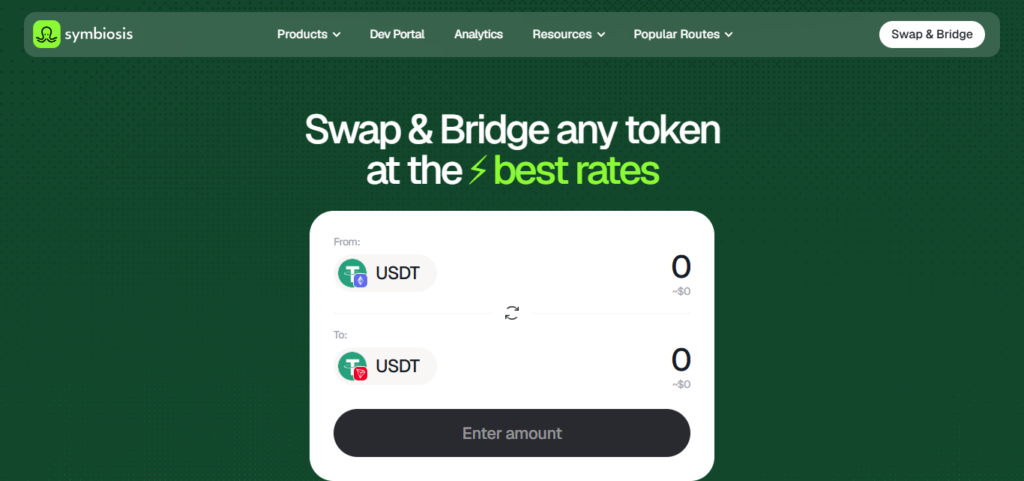
Depending on the route, users can swap one token for another as they move between networks. The best choice depends on supported assets, available liquidity, quoted exchange rates and transaction costs. Users should check the route and security information before confirming a transfer.
Symbiosis Pros & Cons
| Pros | Cons |
|---|---|
| Provides cross-chain swaps through integrated bridging and liquidity mechanisms. | Available token pairs and routes depend on current protocol integrations. |
| Simplifies multichain asset exchanges through a unified user interface. | Liquidity differences can affect pricing and the final received amount. |
| Supports access to multiple blockchain ecosystems through cross-chain functionality. | Transactions remain exposed to bridge, smart-contract, and network-related risks. |
9. Synapse Protocol
Synapse Protocol is a cross-chain interoperability protocol that enables asset transfers and token swaps across compatible blockchain networks. Its infrastructure leverages bridging technology, liquidity mechanisms and cross-chain messaging to help applications and users move assets between ecosystems. Synapse could be a possible Mayan Finance competitor, as both solve the problems of blockchain fragmentation and multichain transactions.
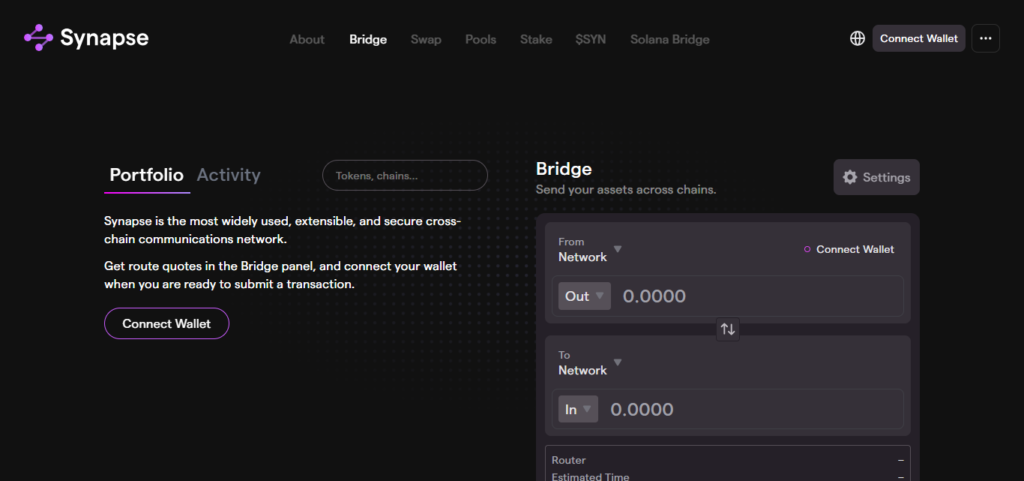
It is only suitable if it supports the required source and destination networks, tokens and transfer paths. Users should check the available liquidity, bridge fees, estimated completion times, and the risks related to the protocol’s bridging architecture before starting a transaction. These checks help determine if Synapse is a practical route for a particular cross-chain swap.
Synapse Protocol Pros & Cons
| Pros | Cons |
|---|---|
| Supports cross-chain asset transfers across compatible EVM and non-EVM networks. | Available routes depend on supported tokens, networks, and bridge mechanisms. |
| Uses liquidity pools and different bridging methods for eligible transfers. | Pool liquidity and fees can affect execution costs and availability. |
| Provides developer tools for integrating cross-chain functionality into applications. | Transfers may involve wrapped assets or intermediate tokens on certain routes. |
10. Wormhole Portal
Wormhole Portal is a user-facing interface for Wormhole’s cross-chain infrastructure that enables users to move supported tokens between compatible blockchain networks. Wormhole is an interoperability protocol that facilitates cross-chain messaging and asset transfers across multiple blockchains.
Portal is relevant to Mayan Finance comparisons because it allows users to access cross-chain transfers without having to manage each technical step manually. The token representations and transfer procedures may vary between the source and destination networks, depending on the supported route.
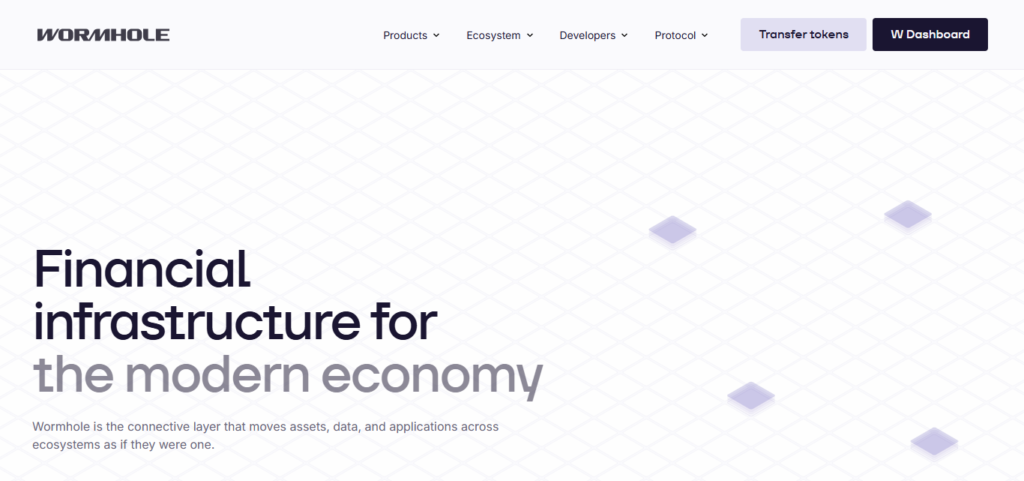
Users should verify token compatibility, destination-chain requirements, fees, and transfer status before proceeding. If cross-chain interoperability and access to multiple blockchain ecosystems are important priorities, Wormhole Portal is particularly worth considering.
Wormhole Portal Pros & Cons
| Pros | Cons |
|---|---|
| Connects supported blockchain ecosystems through Wormhole’s cross-chain infrastructure. | Supported assets and transfer methods differ across source and destination networks. |
| Offers a user-facing interface for eligible cross-chain token transfers. | Some routes may involve wrapped tokens or additional redemption steps. |
| Provides interoperability infrastructure that developers can use in multichain applications. | Security depends on the relevant contracts, messaging infrastructure, and integrations. |
Conclusion
put it simply, Mayan Finance’s top rivals for cross-chain swaps have different ways of moving electronic assets between blockchain networks. Different routing and bridging capabilities are provided by platforms like Jumper Exchange, Rango, Rubic, deBridge and Across.
Stargate, 1inch, Symbiosis, Synapse and Wormhole Portal are tuned to other multichain needs. Check out the fees, supported networks, transaction speeds, liquidity and security and select the platform that suits you best.
FAQ
Jumper aggregates bridges and decentralized exchanges to simplify cross-chain cryptocurrency swaps.
Rango offers multichain swap aggregation across numerous supported blockchain networks and liquidity providers.
Rubic provides cross-chain swaps through integrated bridges, decentralized exchanges, and routing solutions.
deBridge focuses on cross-chain interoperability, liquidity execution, and efficient asset transfers between blockchains.