

The Top Lens Protocol Alternatives for Web3 Social Media In this article I will explore the Top Lens Protocol Alternatives for Web3 Social Media including decentralized networking, digital content ownership, creator monetization and blockchain-powered community engagement.
You’ll discover their key features, benefits, and best use cases to see how these alternatives enable Web3 social experiences and help users build more independent digital communities.
Key Points & Top Lens Protocol Alternatives for Web3 Social Media
| Platform | Explanation |
|---|---|
| Farcaster | Decentralized social network enabling users to own identities, content, and social connections. |
| Mirror | Web3 publishing platform empowering creators to publish, monetize, and own content. |
| Steemit | Blockchain-based social platform rewarding users through cryptocurrency for creating engaging content. |
| DeSo (Decentralized Social) | Blockchain designed for decentralized social applications, creator monetization, and digital ownership. |
| Alter | Decentralized social platform exploring Web3 communities, digital identity, and creator engagement. |
| DSCVR | Web3 social platform combining community discussions, content sharing, and decentralized identity. |
| Mastodon | Open-source federated social network offering decentralized communities without centralized platform control. |
| Audius | Decentralized music platform connecting artists and listeners through blockchain-powered experiences. |
| Status | Open-source messaging platform combining encrypted communication, Ethereum wallet, and decentralized applications. |
| JoinSpace | Web3 community platform supporting decentralized networking, social engagement, and creator collaboration. |
10 Top Lens Protocol Alternatives for Web3 Social Media
1. Farcaster
Farcaster is a decentralized social networking protocol enabling users to interact, share content and create online communities without relying on a single centralized platform. It supports user identities, social connections, public posts known as casts, replies and content discovery.
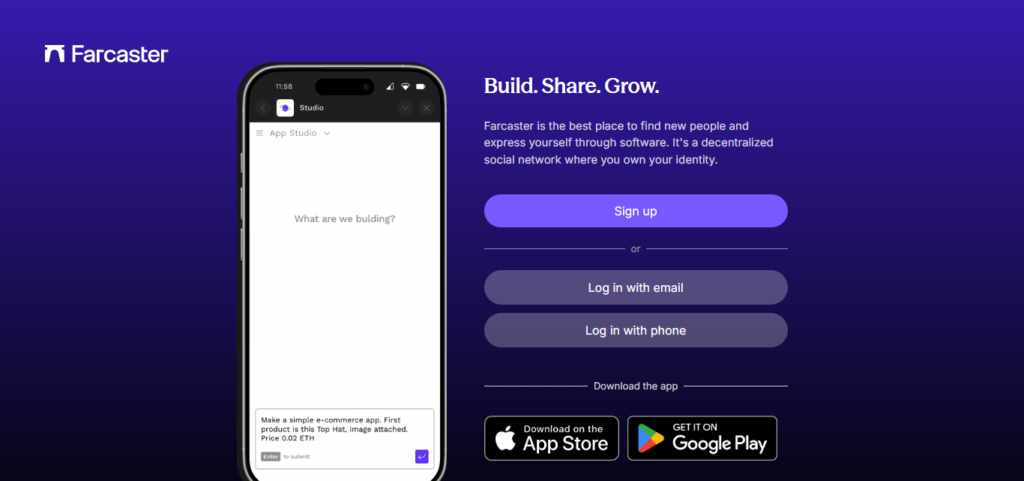
One of its key aspects is its open protocol architecture, allowing developers to build different applications on the same social network. Farcaster also has interactive experiences through Mini Apps, previously called Frames,
Which lets users access applications right inside social posts. Its ecosystem is especially useful for Web3 developers, crypto communities, creators and users looking for more control over their digital identities and social interactions.
Farcaster Best For
- Online communities and social networking (decentralized)
- user-owned digital identities and social graph
- Developer integrations and interactive Mini Apps.
- Developers, web3 creators, crypto communities.
2. Mirror
Mirror is a Web3 platform for writers, creators, independent publishers and blockchain communities to publish. It enables users to publish long-form articles, exchange ideas and share digital content using wallet-connected identities.
Mirror is a blockchain-based publishing platform that supports content ownership and collectible writing experiences, unlike traditional blogging platforms. Creators can publish articles, let readers collect their work as NFTs, and explore crowdfunding opportunities for creative projects.
Its integration with decentralized storage technologies like Arweave helps to preserve published content beyond traditional centralized publishing systems. Mirror is especially relevant for content creators who value digital ownership, decentralized publishing, audience engagement, and blockchain-based creative opportunities.
Mirror Best For
- Decentralized publishing of content and blogs.
- Digital content ownership based on NFT.
-Creator monetization and crowdfunding. - Authors, indie publishers, and Web3 creators.
3. Steemit
Steemit is a social media and blogging platform based on blockchain technology that rewards users for publishing content and participating in community discussions. It is built on the Steem blockchain and lets members create posts, comment on articles, vote on content and interact with different communities.
Its reward system uses cryptocurrency incentives to reward activities such as content creation and curation. Each platform has its own rules and calculations of the reward pool . Users can get rewards if their contributions are engaged by other community members .
In Steemit you can publish content on a variety of topics, such as technology, cryptocurrency, education, lifestyle and personal experiences. It provides an alternative to traditional social networks by linking content publishing, community participation, blockchain transactions and rewards based on cryptocurrency.
Steemit Best For
- Content creation and publishing on the blockchain.
- Crypto rewards for user engagement.
- Content discovery & community discussions.
- Bloggers, writers and creators who are focused on reward.
4. DeSo (Decentralized Social)
DeSo (Decentralized Social) is a blockchain ecosystem designed from scratch to support social media apps and creator-driven experiences. DeSo is not just a blockchain but is also a blockchain optimized for social activities such as posting, managing profiles, following people and interacting with digital communities unlike traditional blockchains that are optimized for financial transactions.
Its infrastructure enables developers to create decentralized applications with features like creator coins, social tokens, NFT profiles, and blockchain-based content ownership. Decentralized social apps enable creators to build an audience and also experiment with different ways to monetize.
DeSo’s idea is to build out the blockchain infrastructure for social networking, digital identity, content distribution, and user-driven creator economies to eliminate reliance on centralized social media companies.
DeSo (Decentralized Social) Best For
- Developing decentralized social media apps.
- Social token ecosystems and creator coins.
- Content and profile ownership through Blockchain.
- Developers building social media platforms for Web3.
5. Alter
ALTER is a blockchain-based platform for private communication, digital identity and access to Web3 services. The goal is to bring together several online activities into one environment, such as messaging, calling, payments, and community interactions.
Users are able to generate an anonymous ALTER ID, manage their private and public keys and have some control over their personal data. The platform also provides token-based access via bonding instead of traditional subscription models.
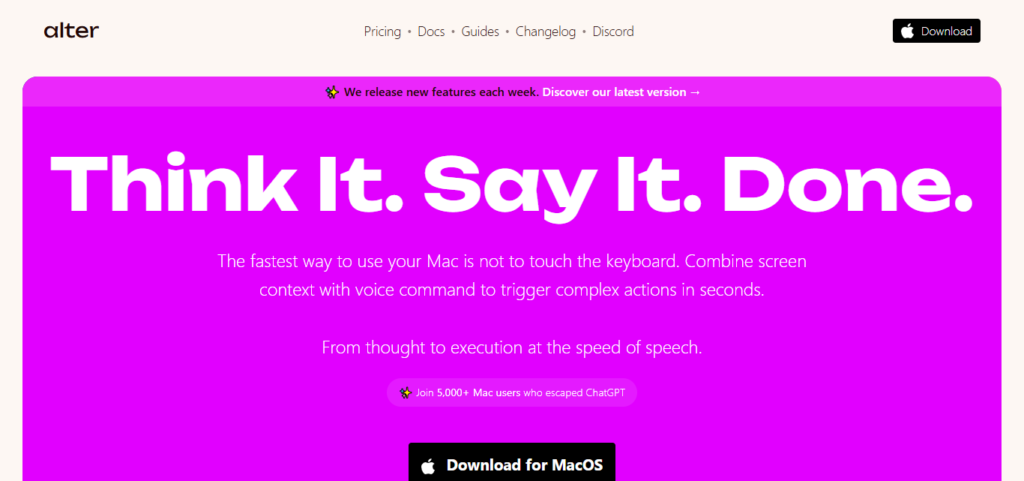
Service operators can also list their services and reach users across its ecosystem. If you are working on privacy-focused communication, Web3 identity management, community access and integrated decentralized digital services, ALTER is definitely worth a look.
Alter Best For
- Digital communication with privacy in mind.-
- Management of key and anonymous identities.
- Web3 services, unified messaging.
- Users who want private, decentralized interactions.
6. DSCVR
DSCVR is a web3 social network connecting users, creators, developers and the blockchain communities. It is a mashup of familiar social media features with blockchain-powered ownership, monetization and community participation. Its key features include user profiles, portals, content publishing, discussions, reactions and community discovery.
Portals are special places where members can explore specific interests, discuss projects, and join in communities. DSCVR also offers token-based engagement features and developer tools, like APIs and Canvas applications, for interactive experiences. DSCVR is a Web3 social network where communities can share content, engage their audience and explore monetization opportunities. It is a relevant alternative.
DSCVR Best For
- Web3 community building & networking.
- Communities about topics (portals).- Interactive content sharing and debates.
- Decentralized communities and blockchain creators.
7. Mastodon
Mastodon is a free, open source social networking platform that is decentralized and runs on independent servers called instances. Unlike traditional social media platforms that are owned and operated by a single company, Mastodon’s federated structure allows different servers to communicate with each other using the ActivityPub protocol.
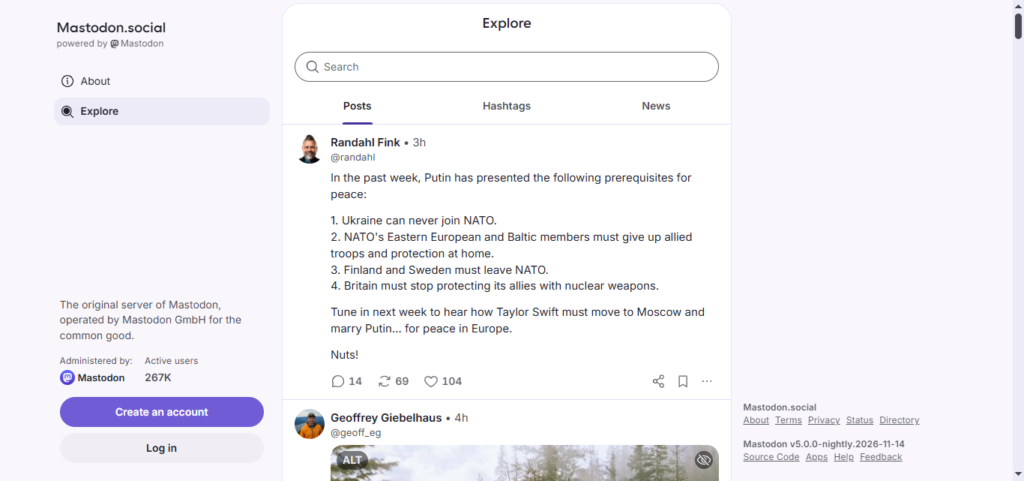
Users can set up profiles, post short messages, share photos and videos, follow other users and take part in community discussions. Each server can create its own rules, moderation policies, and community guidelines, while remaining part of the larger Fediverse.
Mastodon is not based on blockchain technology or incentivized by cryptocurrency. But it is a useful alternative decentralized social networking because it is open-source, allows user choice, interoperability, and is powered by a community-controlled infrastructure.
Mastodon Best For
- Open source decentralized social networking.
- Free servers and community management.
- ActivityPub federated communication.
- Users looking for privacy and independent communities.
8. Audius
Audius is a decentralized music streaming and sharing platform based on blockchain technology that connects independent musicians, record labels and listeners. Artists can upload tracks, create albums, share music and connect directly with their audiences.
Listeners can find new artists, listen to audio content, follow artists and browse music genres. Audius uses a community-centric infrastructure to empower creators with more control over the distribution and monetization of their music.
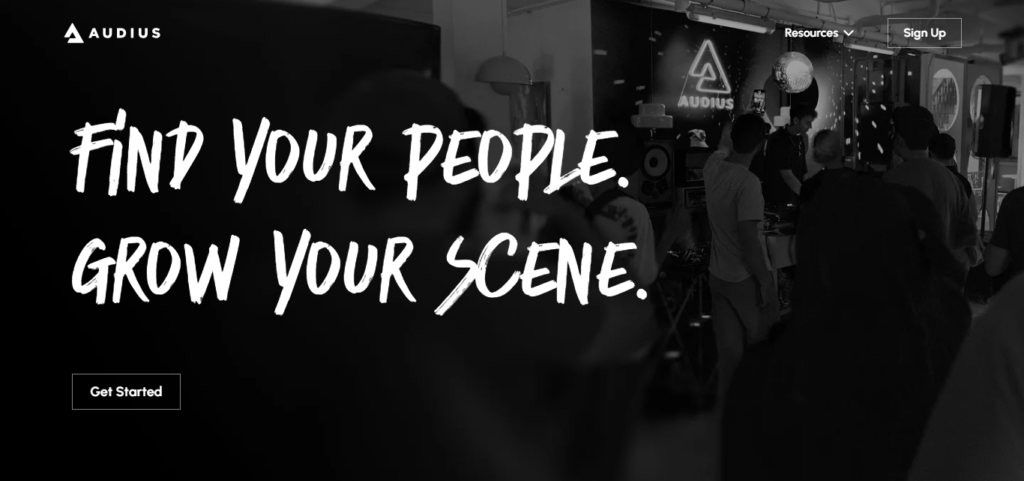
There’s also the AUDIO token, which is part of its ecosystem and allows for network participation and governance-related functions. Audius is built for music discovery, artist visibility, digital content distribution, and creator-centric opportunities in Web3, unlike other generalist social networks.
Audius Best For
- Decentralized streaming and distribution of music.
- Promotion and exposure for independent artists.
- Music ownership and benefits on blockchain.Musicians, producers and music lovers.
9. Status
Status is an open source web3 communications platform with private messaging, cryptocurrency wallets and decentralized apps. It employs peer-to-peer communication technology and end-to-end encryption to enable users to communicate securely without depending on traditional centralized messaging services.
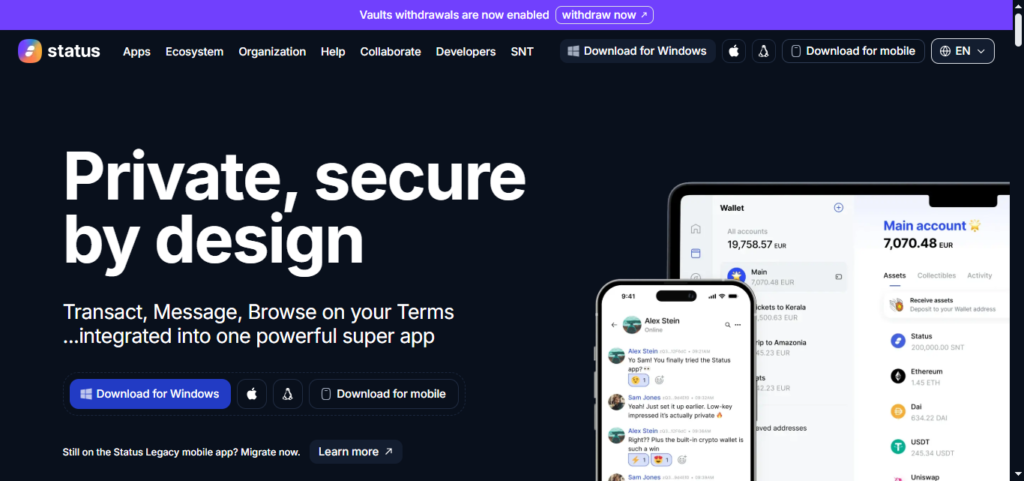
Users can send messages, join group conversations, manage digital resources, and interact with applications based on ethereum. It has an integrated wallet that allows you to make cryptocurrency transactions and reach decentralized finance services.
Status also provides access to Web3 communities and blockchain-based experiences via its ecosystem. It’s not a traditional social networking protocol like Lens but provides an alternative for privacy-centric communication, decentralized identity, and Web3 community interaction.
Status
- Encrypted messaging and private communication.
- Ethereum wallet and cryptocurrency transactions.
- Access to decentralized applications.
- Privacy-focused Web3 users and communities.
10. JoinSpace
Originally designed to bring Reddit-like community networking to a decentralized, blockchain environment, JoinSpace is an experimental Web3 social media application. The idea is based on Ethereum smart contract technology and enables users to create communities, called Subspaces, to publish content, share images, comment and engage in discussions.
The platform introduced community voting mechanisms via upvotes and downvotes to assess published content. It also looked at token-based creator rewards, cryptocurrency tipping and ownership of digital content.
The proposed SPACE token linked community engagement with creator incentives and reputation. But its original web app has been deprecated after the Goerli testnet shutdown so it should be considered an experimental project and not a verified active alternative.
JoinSpace
- Decentralized community discussions and networking.
- Subspace creation and community participation.
- Content voting and engagement mechanisms.
- Experimental blockchain-based social media concepts.
Conclusion
To summarize, the Top Lens Protocol Alternatives for Web3 Social Media offer various opportunities for decentralized networking, content ownership, creator monetization, and community building. Other platforms like Farcaster, Mirror, Steemit, DeSo and DSCVR offer unique Web3 experiences for users and creators.
Which one is the right alternative for you depends upon your requirements, preferred features, blockchain integration and long-term social media goals.
FAQ
Farcaster, Mirror, Steemit, DeSo, DSCVR, and Mastodon are notable alternatives.
Farcaster supports decentralized social networking and user-owned digital identities.
Yes, Mirror supports Web3 publishing, digital collectibles, and creator monetization.
Steemit offers cryptocurrency-based rewards for content creation and engagement.