
The top platforms that assist DAOs in managing proposals, voting, treasury operations, and decentralized decision-making will be examined in this article’s discussion of the Top Llama Competitors for On-Chain Governance Teams.
To assist blockchain projects in selecting the best option for their organizational requirements, we will evaluate their salient characteristics, security capabilities, governance tools, and advantages.
Key Points & Top Llama Competitors for On-Chain Governance Teams
| Llama Competitor | Explanation |
|---|---|
| Tally | Provides on-chain voting, proposal management, and governance tools for decentralized organizations. |
| Safe | Enables secure multisignature wallets and decentralized treasury management for governance teams. |
| Zodiac | Offers modular governance tools connecting Safe wallets with automated on-chain execution. |
| Aragon | Provides customizable DAO governance frameworks, voting systems, and decentralized organizational management. |
| OpenZeppelin | Delivers secure smart contract governance frameworks, including customizable on-chain voting mechanisms. |
| Hats Protocol | Manages decentralized team roles, permissions, and responsibilities through on-chain credentials. |
| Snapshot | Enables gasless off-chain voting for DAOs through verifiable community governance proposals. |
| Optimism Agora | Provides governance infrastructure for Optimism’s ecosystem, including proposals and community participation. |
| Governor Alpha | Offers Ethereum-based on-chain governance contracts for token holders and protocol decisions. |
| Squads | Provides Solana multisig infrastructure for secure treasury management and organizational governance. |
10 Top Llama Competitors for On-Chain Governance Teams
1. Tally
Tally is a well-known governance software that facilitates the management of proposals, voting, delegation, and financial decisions in decentralized groups. It offers a user-friendly dashboard where community members may monitor voting power, examine proposals, investigate governance actions, and take part in crucial protocol choices.
Tally is helpful for well-established blockchain projects since it supports governance systems constructed with OpenZeppelin Governor and Compound-style contracts.
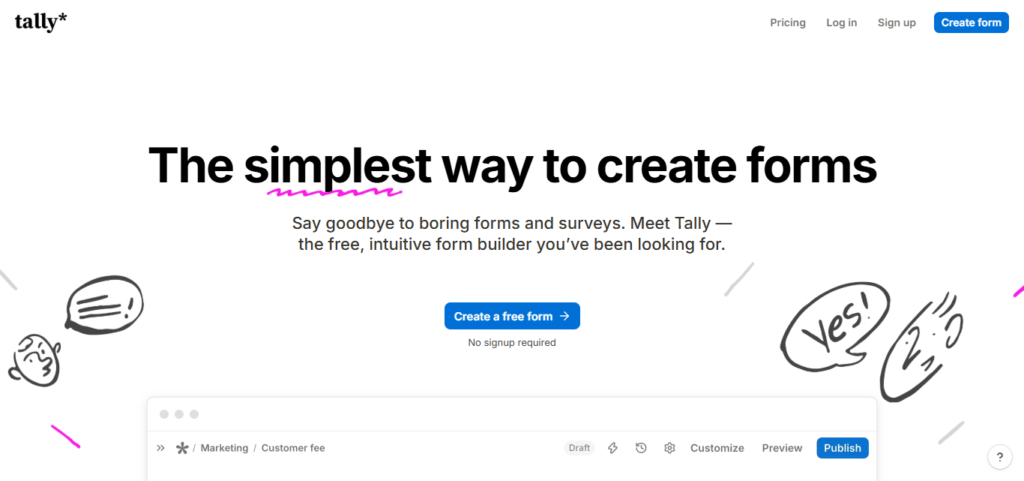
Teams can coordinate decision-making without starting from scratch thanks to its governance analytics and proposal generation capabilities. Tally is a good substitute for Llama for companies looking for transparent, token-based governance with useful participation options.
Features Tally
- TallyOn-chain proposal generation and administration.
- Voting and delegation based on tokens.
- Monitoring governance activities in real time.Integration with smart contracts for Ethereum governance.
Tally Key Detailed
| Key Detailed | Detailed Explanation |
|---|---|
| Proposal Management | Allows DAO members to create, submit, and manage governance proposals. |
| Token-Based Voting | Enables token holders to vote on important protocol decisions. |
| Delegation Support | Allows users to delegate voting power to trusted representatives. |
| Governance Analytics | Provides dashboards to monitor proposals, voting activity, and participation. |
2. Safe
Safe is a smart account infrastructure platform that uses multisignature authorization to manage organizational transactions and safeguard digital assets. It lessens reliance on individual administrators by enabling governance teams to demand several approved signers before carrying out significant transactions.
Safe can be used by DAOs to securely coordinate financial operations, govern protocol assets, approve payments, and administer treasuries. Additionally, interfaces with other execution modules and governance apps are supported via its adaptable account design.
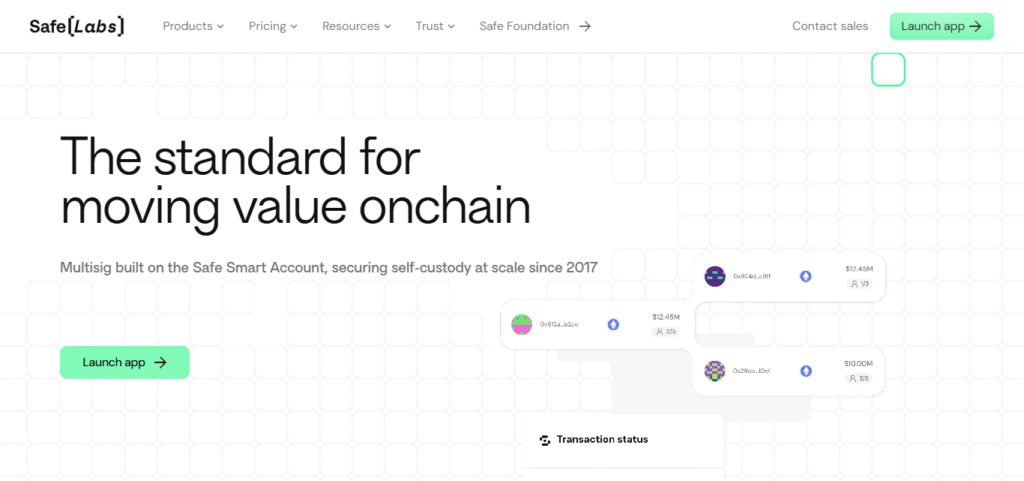
Safe offers crucial transaction security and treasury controls for autonomous companies looking for a dependable substitute inside the larger Llama governance environment, even though it is not a comprehensive proposal and vote platform by itself.
Features Safe
- SecureDAO wallet security using multiple signatures.
- Safe asset and treasury management.
- Requirements for transaction approval are customizable.
- Integrations of smart accounts for governance functions.
Safe Key Detailed
| Key Detailed | Detailed Explanation |
|---|---|
| Multisignature Security | Requires multiple authorized signers to approve important transactions. |
| Treasury Management | Helps DAOs securely manage digital assets and organizational funds. |
| Transaction Approvals | Supports customizable approval thresholds for executing transactions. |
| Smart Account Infrastructure | Provides programmable smart accounts for decentralized organizational operations. |
3. Zodiac
Zodiac is an on-chain operations framework based on Safe that facilitates the management of permissions, transaction automation, and execution coordination for decentralized organizations. It offers modular components that enable governance teams to specify the responsibilities of various members without granting unlimited access to organizational funds to all.
Permission-based transaction execution is supported by its Roles Modifier, and further modules can offer operational flexibility and security. In order to help members comprehend possible consequences, teams can also simulate transactions before signing.
DAOs who already utilize Safe and want more sophisticated operational controls will find Zodiac especially helpful. Because it supports safe organizational execution and structured permissions, it competes with Llama.
Features Zodiac
- An infrastructure for modular governance centered on safety.
- Access controls and permissions based on roles.
- The ability to execute transactions automatically.Adaptable modules for DAO functions.
Zodiac Key Detailed
| Key Detailed | Detailed Explanation |
|---|---|
| Modular Architecture | Offers flexible modules for expanding DAO operational capabilities. |
| Role-Based Permissions | Allows teams to assign specific permissions to authorized members. |
| Transaction Automation | Supports controlled and automated on-chain transaction execution. |
| Safe Integration | Connects with Safe wallets to improve organizational security and governance. |
4. Aragon
Aragon is a decentralized governance platform that uses adaptable on-chain technology to assist enterprises in creating, managing, and customizing DAOs. It offers tools for managing organizational assets, proposal systems, authorization management, and governance plugins.
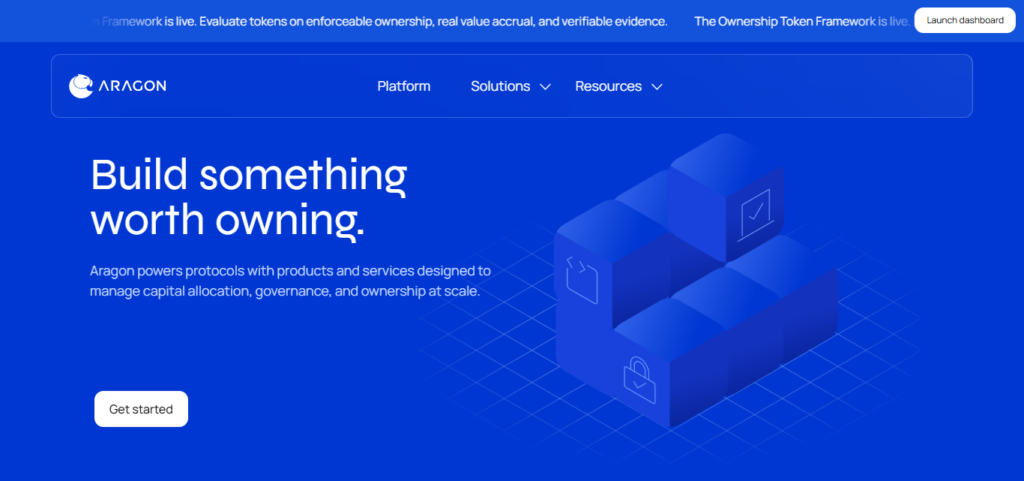
Depending on their operational needs, teams can set up voting procedures, create decision-making guidelines, and delegate tasks. Because of its modular design, projects can update or add governance features as their needs change without having to completely rebuild their organization.
Teams looking for more control over decentralized operations, transparent decision-making, and adaptable DAO architecture will find Aragon very useful. For adaptable governance management, it is a potent Llama substitute.
Features Aragon
- AragonDAO formation and management are customizable.
- Voting systems and modular governance plugins.
- Tools for on-chain proposal and decision-making.
- Permissions and organizational controls are flexible.
Aragon Key Detailed
| Key Detailed | Detailed Explanation |
|---|---|
| DAO Creation | Enables organizations to establish and customize decentralized autonomous organizations. |
| Governance Plugins | Provides modular plugins for configuring different governance processes. |
| Voting Systems | Supports structured voting and transparent community decision-making. |
| Permission Management | Helps teams manage member permissions and organizational responsibilities. |
5. OpenZeppelin
Blockchain projects may create safe and adaptable governance systems with the aid of OpenZeppelin’s smart contract development tools. Teams can develop on-chain proposal, voting, quorum, and execution methods for decentralized protocols using its Governor framework. Voting power, proposal thresholds, voting intervals, and execution delays can all be customized by developers to meet their governance needs.
Additionally, OpenZeppelin provides reusable smart contract components that lessen the requirement for independent governance infrastructure development. It is appropriate for applications needing more technological control and security because of its modular architecture. OpenZeppelin provides a powerful substitute for Llama’s operational strategy for governance teams that prioritize development.
Features OpenZeppelin
- Governor smart contract framework.
- Customizable on-chain voting mechanisms.
- Proposal thresholds and quorum configuration.
- Secure and reusable governance contract components.
OpenZeppelin Key Detailed
| Key Detailed | Detailed Explanation |
|---|---|
| Governor Framework | Provides smart contracts for implementing decentralized governance systems. |
| Customizable Voting | Allows developers to configure voting rules and participation requirements. |
| Proposal Management | Supports proposal creation, voting periods, and execution mechanisms. |
| Contract Security | Offers reusable smart contract components for building secure governance infrastructure. |
6. Hats Protocol
An on-chain roles and permissions management system called Hats Protocol was created to assist decentralized organizations in organizing contributors and duties. It enables DAOs to set up unambiguous accountability throughout their communities, give permissions, and develop role-based frameworks.
Teams can represent many organizational roles, such as administrators, developers, community moderators, and treasury operators, using its hat-based architecture. These positions can promote better organized organizational administration by integrating with authorization systems and smart contracts.
For DAOs that require flexible access constraints and transparent contributor collaboration, Hats Protocol is especially helpful. By arranging individuals, roles, and permissions on-chain, it enhances governance procedures.
Features Hats Protocol
- On-chain role creation and management.
- Customizable contributor permissions and responsibilities.
- Role-based access control for DAOs.
- Transparent organizational structures and accountability.
Hats Protocol Key Detailed
| Key Detailed | Detailed Explanation |
|---|---|
| Role Management | Enables DAOs to create and assign organizational roles on-chain. |
| Permission Controls | Helps teams define access rights for different contributors. |
| Contributor Coordination | Organizes responsibilities across decentralized teams and communities. |
| On-Chain Credentials | Uses programmable credentials to represent roles and permissions transparently. |
7. Snapshot
Snapshot is a popular governance software that allows off-chain voting and proposal creation in decentralized communities. It lowers participation costs by enabling token holders and community members to voice their thoughts without requiring an on-chain transaction for each vote.
Through accessible governance spaces, DAOs can set up proposal rules, define voting procedures, and present transparent vote outcomes. Token-weighted voting and other customisable tactics are among the voting mechanisms supported by Snapshot.
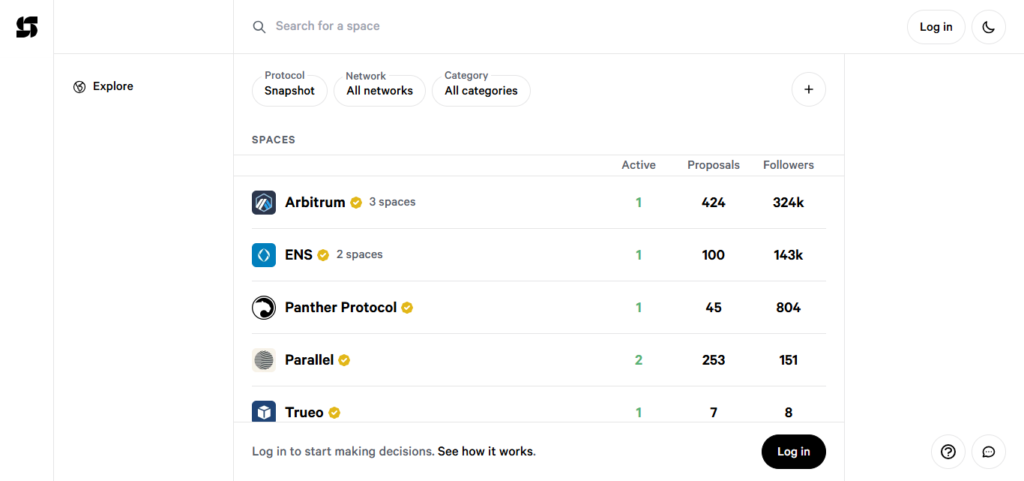
Organizations can link authorized decisions with distinct on-chain execution systems, even though voting typically takes place off-chain. For organizations that value flexible proposal management and easily accessible community interaction, Snapshot is a helpful Llama substitute.
Features Snapshot
- Gasless off-chain community voting.
- Customizable voting strategies and mechanisms.
- Transparent proposal creation and tracking.
- Integrations with token-based governance systems.
Snapshot Key Detailed
| Key Detailed | Detailed Explanation |
|---|---|
| Gasless Voting | Enables community members to participate without paying on-chain voting gas fees. |
| Proposal Creation | Allows DAOs to publish proposals and collect community feedback. |
| Voting Strategies | Supports customizable strategies for calculating voting power. |
| Governance Transparency | Displays voting results and proposal activity for community review. |
8. Optimism Agora
The Optimism ecosystem’s governance tool, Optimism Agora, facilitates community members’ participation in protocol decision-making. It offers resources for investigating governance proposals, analyzing debates, monitoring voting activity, and comprehending significant ecosystem choices.
By combining pertinent proposal data with community engagement procedures, the platform facilitates a more structured governance experience. Agora can be used by optimism governance teams to coordinate stakeholder comments, communicate projects, and increase openness throughout decision-making processes.
It is particularly pertinent to businesses that are part of the Optimism ecosystem. Agora provides a tailored substitute for more general DAO management platforms for teams looking for ecosystem-focused governance infrastructure.
Features Optimism Agora
- Governance proposal discovery and management.
- Community discussion and participation tools.
- Voting activity and decision tracking.
- Governance support for the Optimism ecosystem.
Optimism Agora Key Detailed
| Key Detailed | Detailed Explanation |
|---|---|
| Proposal Discovery | Helps community members explore governance proposals within Optimism. |
| Community Participation | Provides tools for engaging with ecosystem governance discussions. |
| Voting Information | Makes governance voting activities and decisions easier to follow. |
| Ecosystem Governance | Supports participation in Optimism’s decentralized governance processes. |
9. Governor Alpha
Governor Alpha is an Ethereum-based on-chain governance contract originally developed for Compound, allowing token holders to participate directly in protocol decision-making.
It enables eligible members to submit proposals, vote on governance changes, and influence important protocol operations through transparent blockchain transactions. The system uses delegated voting power, proposal thresholds, voting periods, and execution rules to organize decentralized decision-making.
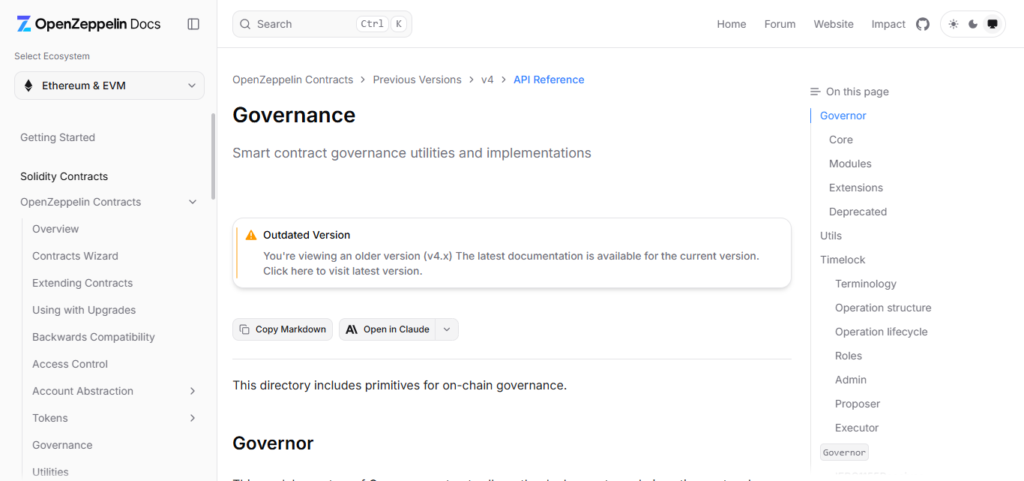
Governor Alpha is particularly useful for projects exploring token-based governance and smart contract-controlled administration. Although newer Governor implementations offer additional flexibility, Governor Alpha remains an important governance model for understanding Ethereum DAO infrastructure and evaluating alternatives to Llama for on-chain voting.
Features Governor Alpha
- Governor Alpha
- Ethereum-based on-chain governance contracts.
- Token-holder voting and delegation.
- Configurable proposal and voting thresholds.
- Smart contract-based governance decision execution.
Governor Alpha Key Detailed
| Key Detailed | Detailed Explanation |
|---|---|
| On-Chain Governance | Provides Ethereum smart contracts for decentralized protocol governance. |
| Token Holder Voting | Allows eligible token holders to participate in governance decisions. |
| Voting Delegation | Supports delegation of voting power to other participants. |
| Proposal Execution | Uses predefined smart contract rules to manage governance proposal execution. |
10. Squads
Squads is a multisignature infrastructure platform built on Solana that assists decentralized organizations in managing digital assets and organizing safe transactions. Teams can set up approval levels, appoint members, create multisig accounts, and demand multiple signatures before carrying out critical tasks.
Squads can be used by development teams, Web3 enterprises, and DAOs to handle administrative tasks, administer treasuries, and oversee program upgrades. Its smart account infrastructure lowers the risks connected with single-wallet control and increases transparency.
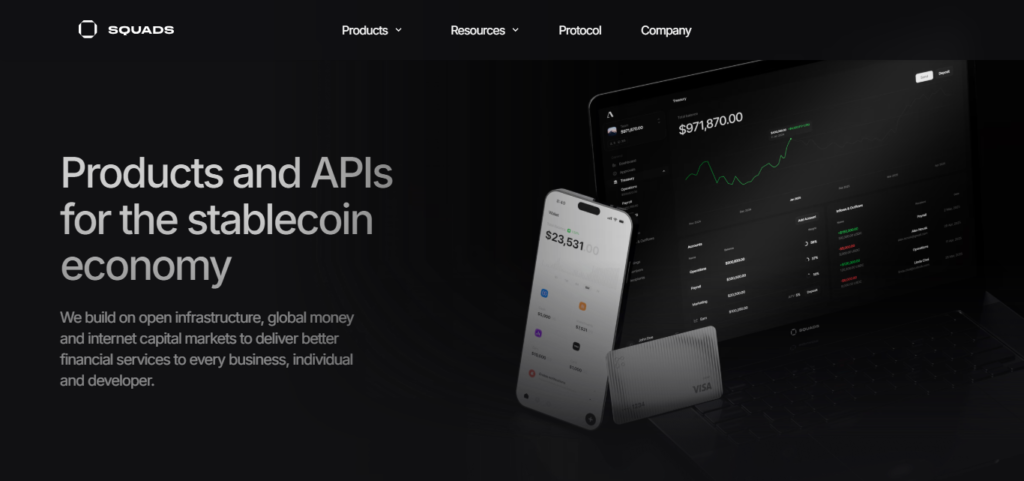
As an alternative to Llama, Squads is especially helpful for Solana-based governance teams looking for safe treasury management, cooperative transaction approvals, and dependable organizational infrastructure.
Features Squads
- Solana-based multisignature wallet infrastructure.
- Customizable transaction approval thresholds.
- Secure DAO treasury management.
- Collaborative signing and transaction execution.
Squads Key Detailed
| Key Detailed | Detailed Explanation |
|---|---|
| Multisignature Wallets | Enables multiple members to approve transactions through shared accounts. |
| Treasury Security | Helps organizations protect and manage Solana-based digital assets. |
| Approval Thresholds | Allows teams to configure the number of signatures required. |
| Transaction Management | Supports collaborative transaction creation, review, approval, and execution. |
Conclusion
In conclusion, your organization’s demands, security requirements, and governance objectives will determine which of the Top Llama Competitors’ platforms is best for On-Chain Governance Teams.
For handling ideas, voting, permissions, and treasury, Tally, Safe, Aragon, Snapshot, and other options provide useful tools. To choose the best option for transparent, safe, and effective decentralized government, thoroughly compare their capabilities.
FAQ
Tally helps DAOs manage proposals, token-based voting, delegation, and governance activities through accessible dashboards.
Yes, Safe provides multisignature security, treasury management, and transaction approval infrastructure for decentralized organizations.
Zodiac offers modular governance tools, role-based permissions, and controlled transaction execution through Safe integrations.
Aragon provides customizable DAO creation, governance plugins, voting systems, and organizational permission management.