

In this article I will talk about the Best Jumper Exchange Rivals for Bridge Swaps, the platforms that make it easy to transfer cryptocurrencies between different blockchain networks.
You’ll learn about their key features, backed blockchains, token availability, trading fees, transaction speeds and security options. This guide will assist you to compare top alternatives and choose a suitable one for your cross-chain swapping needs.
Key Points & Best Jumper Exchange Rivals for Bridge Swaps
- Rango Exchange: Aggregates cross-chain swaps across multiple blockchains, bridges, and decentralized exchanges.
- Socket / Bungee: Compares bridge routes to simplify cross-chain transfers with competitive fees and speed.
- Rubic: Connects decentralized exchanges and bridges for convenient multi-chain cryptocurrency swaps.
- Stargate Finance: Enables cross-chain asset transfers using integrated liquidity pools across supported blockchain networks.
- Across Protocol: Uses relayers to facilitate fast, efficient transfers between supported blockchain networks.
- Relay: Simplifies cross-chain swaps through integrated routing, liquidity sources, and relayer infrastructure.
- deBridge: Supports cross-chain swaps with solver-based execution and quoted transaction rates.
- Symbiosis: Combines cross-chain liquidity and decentralized exchanges for seamless multi-network cryptocurrency swaps.
- Wormhole Portal: Transfers supported crypto assets between blockchain ecosystems using Wormhole interoperability infrastructure.
- Allbridge Core: Specializes in cross-chain stablecoin transfers using liquidity pools and messaging protocols.
10 Best Jumper Exchange Rivals for Bridge Swaps
1. Rango Exchange
Rango Exchange is a cross-chain swap aggregator that utilizes decentralized exchanges and bridge protocols to help users transfer and swap crypto assets across different networks. The blockchains that are supported are Ethereum, BNB Chain, Polygon, Arbitrum, Avalanche, Solana and select Cosmos ecosystem chains, based on current integrations.
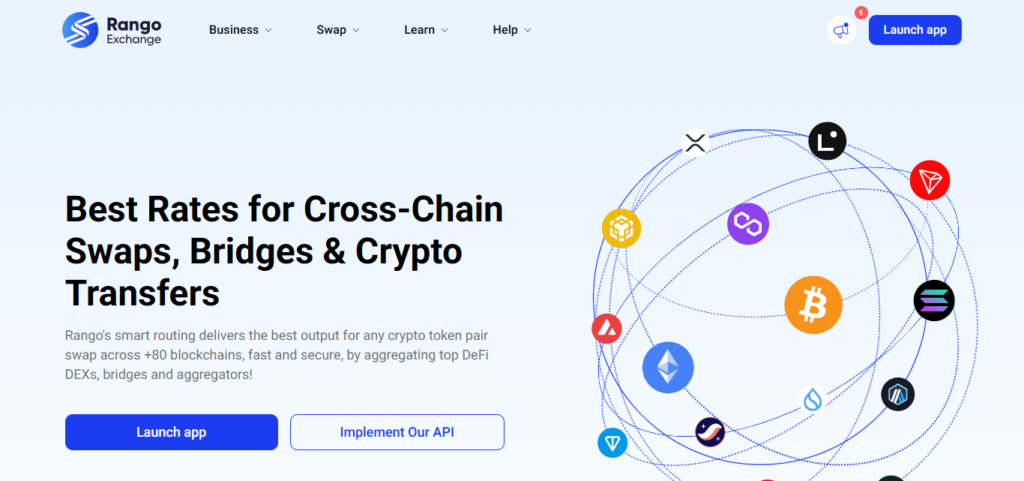
Supported tokens include native coins, stable coins and other assets on connected routes. Bridge fees, DEX fees and network gas fees are all types of trading fees. Networks, transaction speed, depend on route complexity, liquidity, confirmations and congestion. Rango is good for comparing cross-chain swap routes from a single interface.
Feature Rango Exchange
| Feature | Key Details |
|---|---|
| Supported Blockchains | Ethereum, BNB Chain, Polygon, Arbitrum, Avalanche, Base, Solana and supported Cosmos ecosystem networks. |
| Supported Tokens | Native coins, stablecoins and other tokens available through integrated DEXs and bridges; availability depends on the route. |
| Trading Fees | Rango fees may apply alongside bridge-provider fees and source/destination network gas fees. |
| Transaction Speed + Networks | Route-dependent; transfers involving multiple chains or bridge steps may take longer than simple swaps. |
2. Socket / Bungee
Socket’s Bungee interface allows users to bridge and swap crypto assets by linking multiple bridges and liquidity providers. It supports major EVM chains, with more ecosystems through existing integrations. Supported tokens depend on the bridge, liquidity source, and destination chain selected.
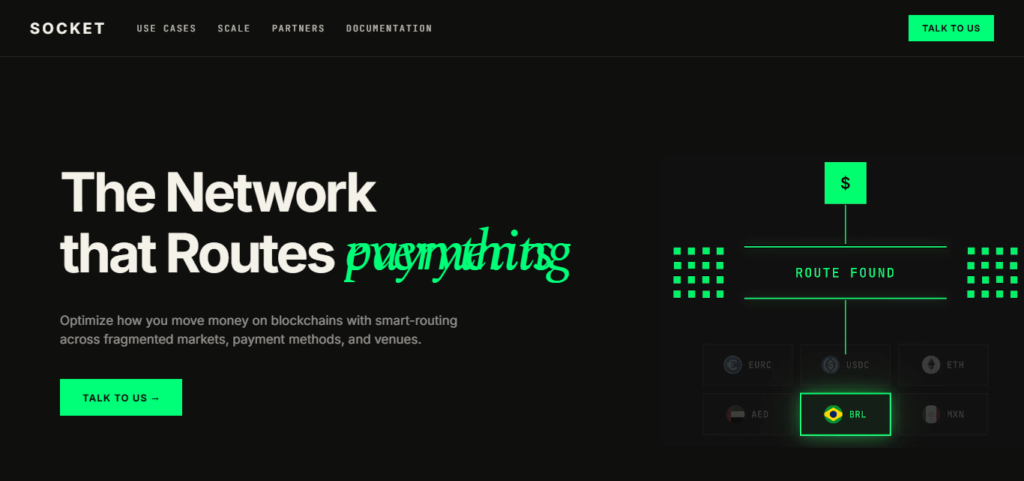
Trading fees may include bridge-provider fees, swap fees, network gas and associated service charges. Networks and transaction speed depend on the route chosen, confirmation requirements, liquidity and if additional swap steps are required. Bungee is particularly useful when you want to compare available transfer routes and find a suitable one to move assets across chains.
Feature Socket / Bungee
| Feature | Key Details |
|---|---|
| Supported Blockchains | EVM-compatible chains and other networks supported by the current Socket/Bungee integrations. |
| Supported Tokens | Tokens supported by the selected bridge, liquidity source and source/destination networks. |
| Trading Fees | Bridge-provider charges, network gas and any applicable route or integrator fees. |
| Transaction Speed + Networks | Depends on bridge design, liquidity, network confirmations and whether the route requires additional transactions. |
3. Rubic
Rubic is a cross-chain swap aggregator. It aggregates decentralized exchanges, bridge providers and cross-chain transaction protocols in one interface. It supports EVM, non-EVM and Layer 2 networks and is currently available depending on integrations. It supports native cryptocurrencies, stablecoins and other assets listed by connected providers. Trading fees depend on the type of transaction.
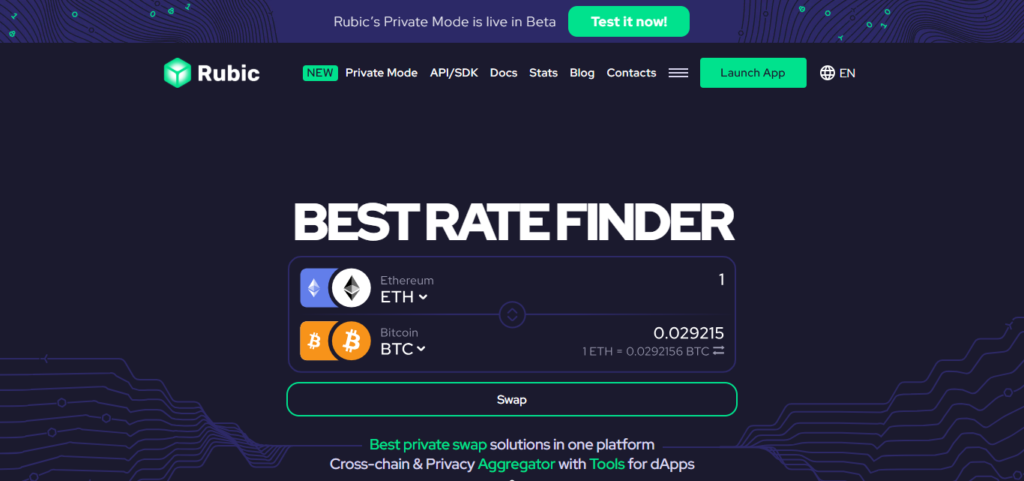
Rubic advertizes zero protocol fees for eligible swaps under $100, but other routes may have fees and gas costs. This will depend on the bridge you choose, liquidity, confirmations and congestion. The speed of a transaction and the networks available. Rubic is for users wanting multiple routes to swap from one platform.
Feature Rubic
| Feature | Key Details |
|---|---|
| Supported Blockchains | 70+ chains according to its documentation, including Ethereum, BNB Chain, Polygon, Arbitrum and Solana. |
| Supported Tokens | Native assets, stablecoins and other tokens listed by supported liquidity providers. |
| Trading Fees | Some swaps qualify for zero protocol fees; other transactions may include provider charges and network gas. |
| Transaction Speed + Networks | Depends on the selected bridge or DEX route, chain confirmations, liquidity and network congestion. |
4. Stargate Finance
Stargate Finance is a cross-chain liquidity protocol that allows for the transfer of supported assets across connected blockchains. Supported blockchains include, depending on current integrations, networks such as Ethereum, Arbitrum, Optimism, Base, BNB Chain and Avalanche.
Supported tokens are determined by active pools and existing routes for transfers, especially assets supported by the liquidity infrastructure of Stargate. Protocol or pool fees, as well as source- and destination-network gas fees, can be included in trading fees.
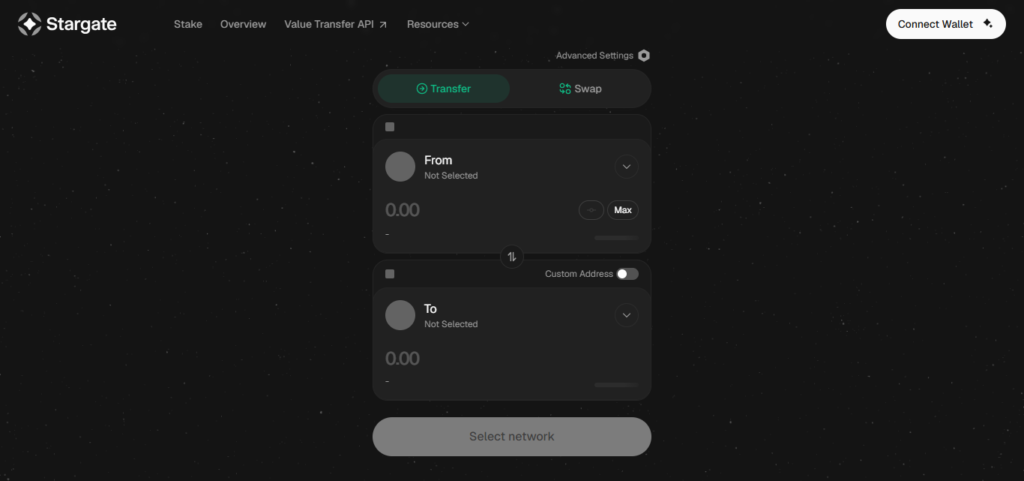
The speed of a transaction and the networks on which it can be made depend on the finality of the chain, its liquidity and its messaging conditions. Stargate is a good option for users who want to focus on direct cross-chain transfers using integrated liquidity pools.
Feature Stargate Finance
| Feature | Key Details |
|---|---|
| Supported Blockchains | Ethereum, Arbitrum, Optimism, Base, BNB Chain, Avalanche and other networks available in its current interface. |
| Supported Tokens | Supported native stablecoins and other assets available through active Stargate pools and routes. |
| Trading Fees | Pool or protocol fees, destination gas or relayer charges may apply depending on the transfer route. |
| Transaction Speed + Networks | Depends on the source chain, destination chain, messaging and transfer mechanism; check the live quote for an estimate. |
5. Across Protocol
Across Protocol is a cross-chain bridge that uses relayers to bridge supported assets between blockchain networks. Supported blockchains: Ethereum, Arbitrum, Optimism, Base, Polygon, Solana and other currently supported chains. Supported tokens are ETH/WETH, USDC, USDT, WBTC and other assets depending on network availability.
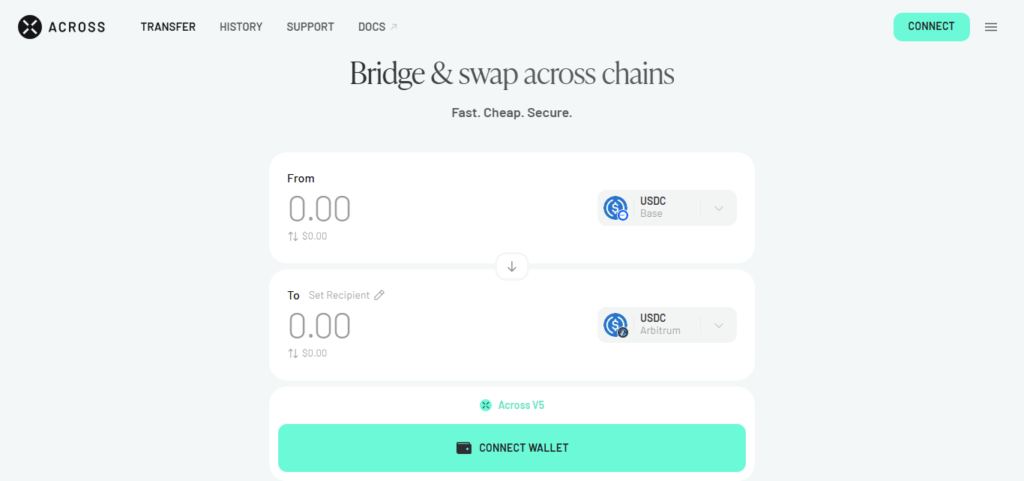
Trading fees are subject to change and are affected by relayer costs and source-chain gas. Please review the quote before confirming. Transaction speed and networks depend on relayer execution and chain conditions, most transfers actually take about 1-4 minutes. Across is especially helpful for users who want fast transfers between supported networks
Feature Across Protocol
| Feature | Key Details |
|---|---|
| Supported Blockchains | Ethereum, Arbitrum, Optimism, Base, Polygon, Solana and other currently supported networks. |
| Supported Tokens | Supported assets include ETH/WETH, USDC, USDT, WBTC and other route-specific tokens. |
| Trading Fees | Relayer fees and source-chain gas apply; the exact cost depends on the route and current quote. |
| Transaction Speed + Networks | Many transfers typically take around 1–4 minutes; chain finality and relayer availability can affect timing. |
6. Relay
Relay is a cross-chain transfer and swap platform that provides a simplified way to move assets between blockchain networks with built-in routing and relayer infrastructure. Supported blockchains are EVM networks and some non-EVM chains through its current integrations.
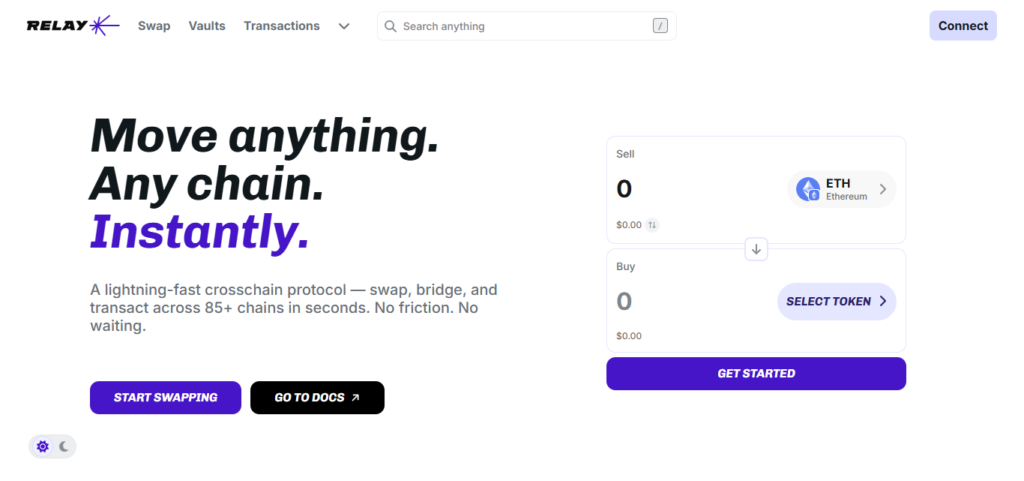
Not all tokens are available to all routes, as supported tokens vary by source network, destination network and available liquidity. Trading fees include relayer fees, swap fees and blockchain gas fees. Route selection, liquidity and confirmation requirements affect networks and transaction speed.
Relay is awesome for users that want a simple interface for cross-chain transfers and don’t want to pick bridge protocols themselves.
Feature Relay
| Feature | Key Details |
|---|---|
| Supported Blockchains | EVM chains and other networks listed in Relay’s current supported-chain interface. |
| Supported Tokens | Tokens available through the selected source and destination route; not every token is supported on every chain. |
| Trading Fees | Review the quoted total, including any relay or service fee, swap cost and network gas. |
| Transaction Speed + Networks | Depends on the selected route, relayer execution and source/destination network conditions. |
7. deBridge
deBridge is a cross-chain interoperability protocol that allows for token transfers and swaps through its DLN infrastructure. It supports Ethereum, Solana, Tron, BNB Chain, Base, Arbitrum, and other networks and lists 24+ chains in its support information.
Supported tokens include native cryptocurrencies and other assets available via supported routes. Trading fees consist of a fixed chain fee, variable solver costs and source-chain gas.
Transaction speed and networks depend on the execution of solvers, liquidity and conditions on the blockchains. deBridge is useful for users who want to do cross-chain swaps with quoted rates and access multiple blockchain ecosystems.
Feature deBridge
| Feature | Key Details |
|---|---|
| Supported Blockchains | Ethereum, Solana, Tron, BNB Chain, Base, Arbitrum and other supported networks. |
| Supported Tokens | Native tokens and other assets available through supported deBridge routes. |
| Trading Fees | Fixed chain fees, variable solver costs and source-chain gas; check the live quote. |
| Transaction Speed + Networks | Depends on solver availability, route execution and chain conditions; quotes provide route-specific estimates. |
8. Symbiosis
Symbiosis is a cross-chain liquidity and swap protocol for supported crypto assets to be swapped between different blockchain ecosystems. The supported blockchains are EVM networks and a selection of non-EVM chains available via current integrations. Supported tokens depend on the connected liquidity providers, network compatibility and available route.
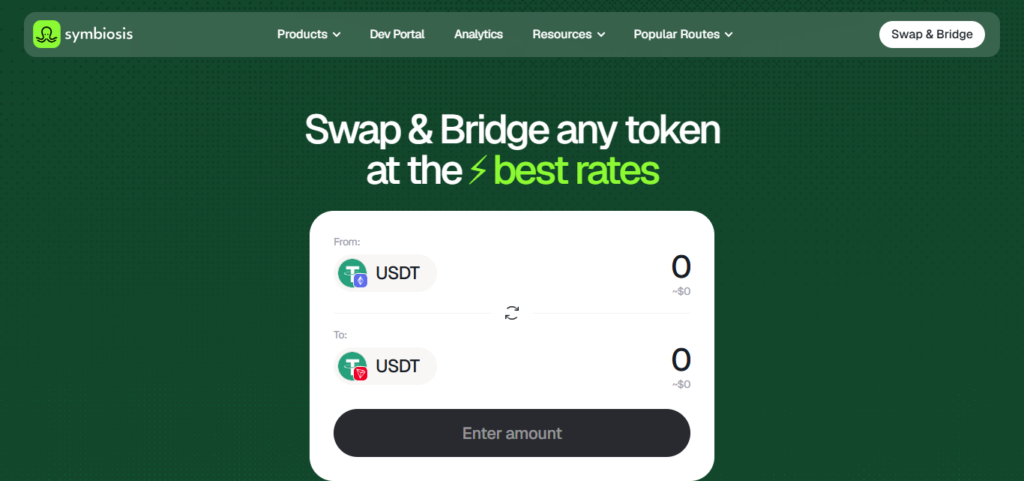
Trading fees can include protocol fees, blockchain gas and additional charges from integrated partners. Transaction speed and networks depend on bridge mechanism, liquidity, relayer execution and network congestions. Great alternative for users who want to compare cross-chain swap routes, and access assets on multiple networks via one interface.
Feature Symbiosis
| Feature | Key Details |
|---|---|
| Supported Blockchains | Ethereum, BNB Chain, Arbitrum, Base, Polygon, Optimism, Solana, Bitcoin and other listed networks. |
| Supported Tokens | Tokens available on supported chains through integrated DEXs and cross-chain routes. |
| Trading Fees | Protocol fees and network costs apply; partner integrations may add extra fees. |
| Transaction Speed + Networks | Depends on the source and destination chains, liquidity, relayer execution and selected bridge. |
9. Wormhole Portal
Wormhole Portal is a user-facing interface that enables transfer of supported crypto assets across blockchain ecosystems powered by Wormhole infrastructure. It supports Ethereum, Solana, Arbitrum, Avalanche, Base, BNB Chain and other connected blockchains.
Supported tokens are native or wrapped assets and eligible stablecoins depending on the transfer path. Trading fees may include source chain gas, destination execution fees and applicable transfer service fees.
Transaction speed and networks depend on the message verification, chain finality, relayer availability and the selected transfer method. Portal is useful for users moving assets between different blockchain environments, especially the EVM and Solana ecosystems.
Feature Wormhole Portal
| Feature | Key Details |
|---|---|
| Supported Blockchains | Ethereum, Solana, BNB Chain, Polygon, Avalanche, Arbitrum, Base, Sui and other Wormhole-supported networks. |
| Supported Tokens | Native and wrapped assets, including USDC and USDT on eligible routes, plus other supported tokens. |
| Trading Fees | Network gas, relayer charges and any route-specific fees; the cost varies by transfer method. |
| Transaction Speed + Networks | Depends on the bridge route, message verification, relayer availability and network finality. |
10. Allbridge Core
Allbridge Core is about cross-chain stablecoin transfers via liquidity pools and messaging protocols. The blockchains it supports are Ethereum, BNB Chain, Polygon, Avalanche, Arbitrum, Base, Optimism, Solana, Tron, Sui and Stellar, depending on active routes.
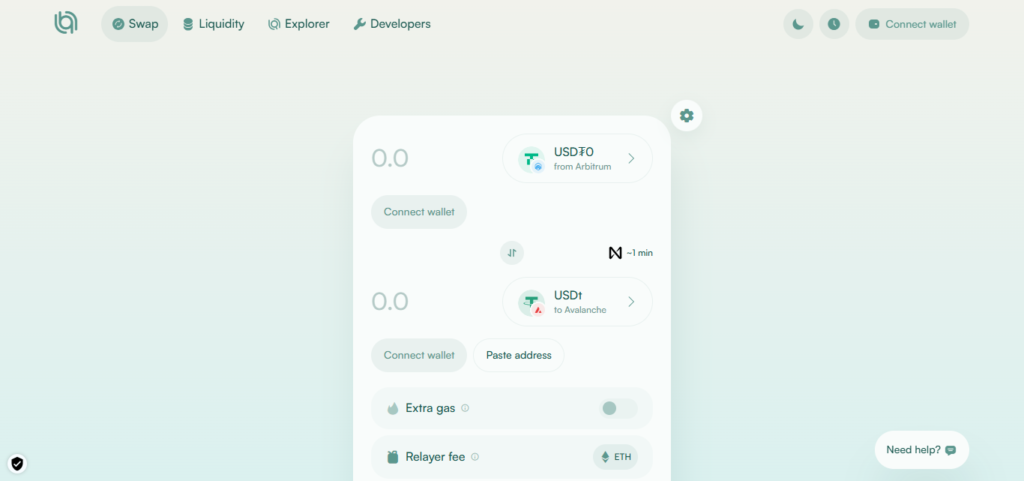
Supported tokens are mostly USDC and USDT, availability varies by chain. Pool-based transfers typically incur trading fees of 0.3% for liquidity providers and a variable relayer fee, while eligible CCTP/OFT transfers include a 0.1% service fee along with relayer costs. The speed of transactions and networks is dependent on the transfer mechanism, chain confirmations and congestion.
Feature Allbridge Core
| Feature | Key Details |
|---|---|
| Supported Blockchains | Ethereum, BNB Chain, Polygon, Avalanche, Arbitrum, Base, Optimism, Solana, Tron, Sui and Stellar, subject to active route availability. |
| Supported Tokens | Primarily USDC and USDT, with availability varying by blockchain and transfer method. |
| Trading Fees | Pool-based routes generally charge 0.3% in liquidity-provider fees plus a relayer fee; eligible CCTP/OFT routes generally charge 0.1% service fee plus relayer costs. |
| Transaction Speed + Networks | Depends on destination-chain confirmations, messaging protocol, liquidity and selected transfer mechanism. |
Conclusion
Conclusion The best alternatives to Jumper Exchange for bridge swaps depend on your preferred blockchains, supported tokens, transaction fees, speed and security needs. There are several cross-chain capabilities offered by platforms like Rango, Rubic, Across Protocol, deBridge and Stargate.
Before transferring funds, compare available routes, estimated costs, liquidity and network compatibility. Always check the details of the current platform and use trusted protocols to limit any unnecessary risk.
FAQ
Rango, Bungee, Rubic, Stargate, Across, Relay, and deBridge are popular alternatives.
It transfers supported crypto assets between different blockchain networks.
Rango, Rubic, and deBridge aggregate routes across numerous networks.
No, network gas, bridge fees, or swap charges may apply.