

This article focuses on the case studies from 2026 on blockchain and the supply chain and its transformative impact on different sectors.
Industries such as the tracing of food in India and the compliance of pharmaceuticals in Europe have shown how blockchain technology creates transparency, efficiency, and trust and transforms the way we handle trade and logistics.
Overview
In 2026, blockchain technology provided transparency, speed and resilience to supply chain disruptions for the first time in the history of global supply chains.
Real-world case studies on food traceability in India and pharmaceutical compliance in Europe demonstrated the ability of blockchain to reduce costs, eliminate fraud, and facilitate cross-border trust.
Why Blockchain Matters in 2026
From 2024 to 2025, disruptions increased 38%, and shipping reliability fell to between 50 and 55%. Legacy systems were unable to deliver collated, corroborated, and auditable data.
What is Blockchain bringing to the supply chains? A – real-time – immutable, shared, and distributed ledger that links all the actors in the supply chains – farms, factories, ports, regulators, and retailers.
Value of Blockchain:
- Reduction of 20-30% in the operating costs of supply chains
- 75% increase in traceability
- 85% increase in the speed of processing documentation
- An organization will recover its investment in Blockchain within 18 to 24 months after its implementation.
Case Study 1: Food Traceability in India
Problem: Indian retail markets are plagued by counterfeit and unsafe food products.
Blockchain Solution: Agricultural cooperatives and retailers joined forces on blockchain to track food from farm to shelf.
Impact:
- Consumers access information on traces via QR codes.
- Food fraud decreased by 40%.
- Transparent records allowed farmers to get better prices.
Case Study 2: Pharmaceuticals in Europe
Challenge: Compliance with regulations and addressing counterfeit drugs during cross-border trading.
How Blockchain Helps: European pharmaceutical companies are using blockchain technology for drug serialization and regulatory reporting.
Results:
- You can now comply with regulations in real-time.
- Identifying counterfeit products is 60% easier.
- Time spent documenting is 70% less, which results in faster customs clearance.
Case Study 3: Shipping & Logistics in Singapore
Challenge: Shipping delays and disputes due to disorganization and fragmented shipping data.
How Blockchain Helps: The port authority of Singapore applied blockchain and IoT sensors for container tracking.
Results:
- Fewer disputes regarding cargo state.
- Shipping reliability was boosted from 55% to 80%.
- Customs clearance is now automated via smart contracts.
Case Study 4: Retail Supply Chains in the US
Challenge: Retailers need to comply with ESG regulations and win back consumers’ trust regarding the sustainability claims.
How Blockchain Helps: Several leading retailers implemented blockchain technology to authenticate the ethical sourcing of apparel and electronics.
Results:
- ESG reporting is now transparent.
- Consumer trust in products labeled as “sustainable”, leads to a sales boost of 25% for such products.
- Transparent records led to more equitable pricing for farmers.
What is Blockchain’s Role in Supply Chains?
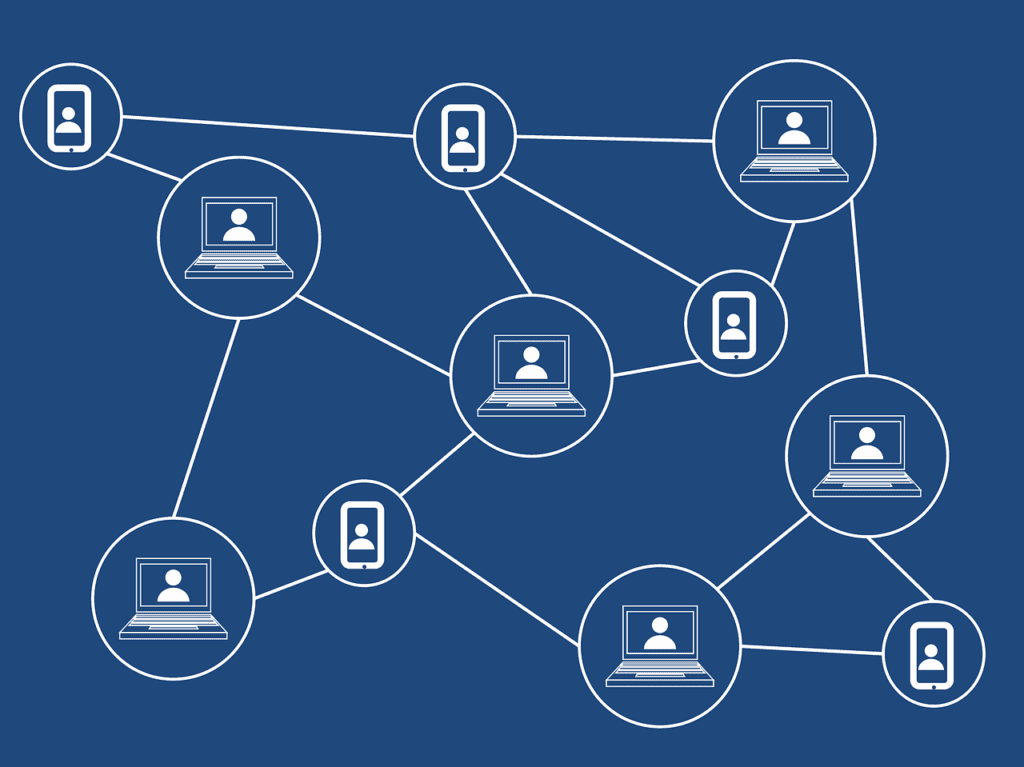
Blockchain operates on the basis of being a shared digital ledger that cannot be changed and tracks every transaction within the supply chain.
By making the record transparent and unchangeable, fraud and counterfeiting activities can be eliminated.
It provides real-time access to the same, credible information to all participants of the supply chain, be it producers, distributors, regulators, or consumers.
This technology simplifies and speeds up customs processes, compliance reporting, and traceability of products.
By the year 2026, supply chains containing blockchain technology will be able to create trust, and improve the efficiency and reliability of international trade.
Comparative Snapshot
| Case Study | Region | Problem Addressed | Blockchain Impact |
|---|---|---|---|
| Food Traceability | India | Counterfeit food | 40% fraud reduction, fair pricing |
| Pharmaceuticals | Europe | Compliance & fakes | 60% counterfeit detection, 70% faster clearance |
| Shipping | Singapore | Data fragmentation | Reliability up to 80%, fewer disputes |
| Retail ESG | US | Sustainability claims | 25% sales boost, verified sourcing |
Challenges & Risks
- Integration costs: Upfront investments are especially high for SMEs.
- Interoperability: Blockchain platforms are unable to work together.
- Regulatory ambiguity: Due to the global regulation of standards, it is still a work in progress.
- Data privacy: To maintain confidentiality, the transparency of data is difficult to manage.
Cocnlsuion
To summarize, Blockchain in Supply Chain: Case Studies from 2026 shows that trust, transparency, and efficiency have become the new pillars of global commerce.
Blockchain has moved from pilot projects to fundamental frameworks, having a positive impact on food traceability
Pharmaceutical compliance and sustainable retail. It has been demonstrated that the future of commerce is resilient, data-driven supply chain systems.
FAQ
A shared, tamper-proof ledger that records every transaction, ensuring transparency and trust.
Each product gets a digital identity, allowing stakeholders to verify origin and authenticity instantly.
Food, pharmaceuticals, shipping, and retail are leading adopters with measurable gains.
It pairs with AI for predictive analytics, IoT for tracking, and smart contracts for automation.