

I will cover the top crypto staking platforms that provide investors a steady passive income while helping blockchain networks. Crypto staking is a way investors lock their crypto to earn crypto rewards.
Platforms like Binance and Kraken provide trusted custodial options, while Lido and Rocket Pool provide decentralized solutions. All of them provide secure, profitable, and flexible options to grow your crypto holdings.
What is a Crypto Staking Platform?
A staking platform allows users engagement with the Proof-of-Stake (PoS) mechanisms of various blockchains. Users hold and lock up cryptocurrencies in a staking wallet and allocate their cryptocurrencies to support the operations and security of blockchain networks.
PoS mechanism users earn yields or bonus tokens by verifying the network’s integrity. Staking crypto networks provides the user with returns on their investments or speculative holdings.
Key Point
| Platform | Supported Cryptocurrencies | Max Reward Rate | Additional Benefits |
|---|---|---|---|
| Coinbase | 8 | Up to 13% APY | Available only for Coinbase One members |
| KuCoin | 40+ | Up to 13% APR | Earn higher rewards & discounts with KCS tokens |
| Binance | 60+ | Up to 10% APY | Offers Auto-Invest plans & principal-protected options |
| Crypto.com | 30+ | Up to 19% APR | Extra rewards and perks for CRO token holders |
| Kraken | 20+ | Up to 21% APY | Flexible rates and various lock-up periods |
| Bake | 10+ | Up to 12% APY | Includes additional savings products |
| Nexo | 20+ | Up to 15% APY | Extra benefits for NEXO token holders |
| Lido | Ethereum only | Up to 8% APR | Provides liquid staking and optimized performance |
| Stakely | 30+ | Up to 53% APY | No minimum deposit required & includes staking insurance |
| Rocket Pool | Ethereum only | Up to 3.27% APR | Supports both node and liquid staking |
1. Coinbase
Coinbase is among the best crypto staking platforms for novices because it is easy and safe to start generating passive income on the eight crypto coins it supports. In Coinbase’s case, simplicity is not a flaw since users need only a basic understanding of crypto and staking to start earning up to 13% APY.
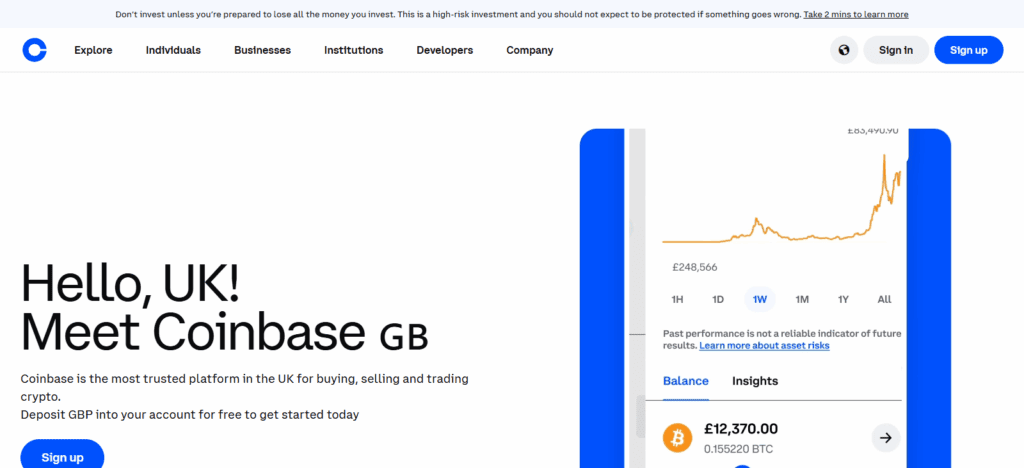
However, clients must join Coinbase One to stake on the platform. Users do not have to worry about validator slashing because Coinbase handles slashing protection. Coinbase’s reputation and security also justify ‘effortless’ earning since clients can earn Coinbase’s 13% APY effortless as there is nationwide security.
Coinbase Key Features
- Staking of 8 major cryptos.
- Staking rewards up to 13% APY.
- Fully custodial platform – takes care of validator management.
- Only Coinbase One members can have access.
Pros
- User friendly interface for novice crypto traders.
- Very high trust and strong security.
- Automatic reward system.
- Legally permitted to operate in numerous locations.
Cons
- Limited staking assets.
- Compared to other exchanges, higher fees.
- Only available to Coinbase One subscribers.
- Not ideal for customers wanting total control of their assets.
2. KuCoin
KuCoin is listed as one of the best crypto staking platforms, and it is with good reason. KuCoin has flexibility in how you create your staking portfolio, with over 40 assets and over 13% APR. KuCoin offers both fixed and flexible staking options in order to help users customize their accounts.

KuCoin integrates KuCoin Token (KCS), which adds extra benefits, bonus earning rewards, and discounts on trading fees. KuCoin, as a custodial exchange, does automatic compounding of rewards and takes care of the technical aspects of staking.
KuCoin is designed to be user-friendly and as such, is a platform that both retail and advanced users have come to appreciate. KuCoin has a diverse selection of crypto and a community focused on user self-service. This design has made KuCoin very popular.
KuCoin Key Features
- Staking 40+ cryptocurrencies.
- Has flexible and fixed staking programs.
- Reward potential of up to 13% APR.
- Reward Boost for KCS token holders.
Pros
- A broad spectrum of staking possibilities and assets.
- Very low staking entry requirements.
- Extra rewards for KCS token holders.
- Automatic Compounding of Rewards.
Cons
- Users don’t control private keys.
- Limited regional regulatory oversight.
- Complicated tools for new users.
- Delayed distribution of rewards.
3. Binance
With over 60 cryptocurrencies and 10% APY, Binance is undeniably one of the best crypto staking platforms. Providing both flexible and locked staking allows users to control liquidity while improving profitability. Users can enjoy managed default staking via Auto-Invest and principal-protected products.
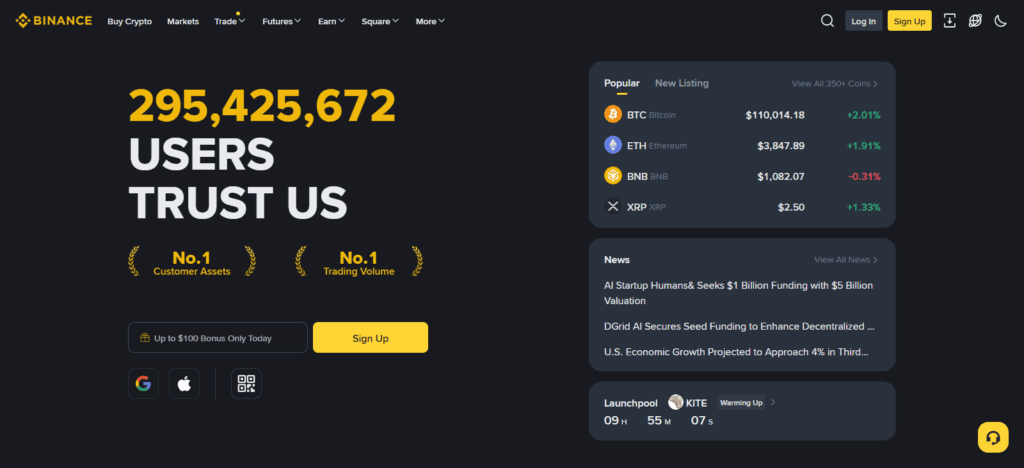
Binance is a custodial service that oversees reward distribution, eliminating the need for users to manage complexities associated with staking. Binance’s competitive rates and intuitive dashboard design makes it easy for users of any level to manage their multiple staking positions.
Binance Key Features
- More than 60 staking assets at 10% APY.
- Different option staking – locked, flexible, or DeFi.
- Auto-Invest and capital-protected offerings.
- Global access and leading liquidity.
Pros
- Most secure crypto exchange.
- Different staking products fit to all users.
- Flexible staking with any duration.
- Automatic reinvest for compounded returns.
Cons
- Custodial – Binance controls staked funds.
- Highly complex systems for new users.
- Regional restrictions (e.g., U.S. users limited).
- Highly fluctuating staking rates.
4. Crypto.com
Crypto.com has one of the best crypto staking platforms in the market. It offers staking rewards of 19% APR on 30+ crypto assets. Users who stake CRO tokens get additional benefits like higher yields and additional benefits on the platform.
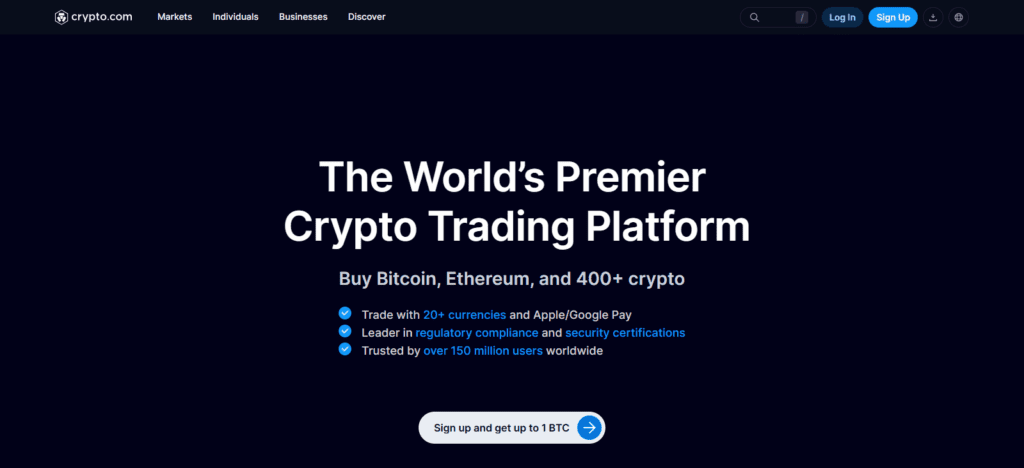
Crypto.com offers an amazing staking app as part of its integrated Crypto.com ecosystem where users crypto assets, credit and debit cards, and DeFi services. As a staking custodial service, Crypto.com offers flexible backend locking custodial services.
Crypto.com features strong Crypto assets safekeeping, obtaining high security and safety standards, and superb rewards Crypto.com is perfect for long-term crypto investors.
Crypto.com Key Features
- Up to 19% APR on staking.
- More than 30 supported cryptocurrencies.
- Main benefits for CRO token holders.
- Visa card and Crypto.com app integration.
Pros
- Competing platforms offer less rewards.
- Easy staking using Crypto.com app.
- Enhanced benefits for CRO holders.
- Combines DeFi, card, and staking.
Cons
- Custodial – limited user control over assets.
- Reward rates are impacted by the duration of CRO token lock-up.
- Variable APY offered is based on membership tier.
- Some staking structures are not fully transparent.
5. Kraken
Kraken is one of the best crypto staking platforms and earned a great reputation in the market. It offers up to 21% APY and has over 20 cryptocurrencies in its system. With flexible and fixed staking Kraken allows users a range of different strategies.
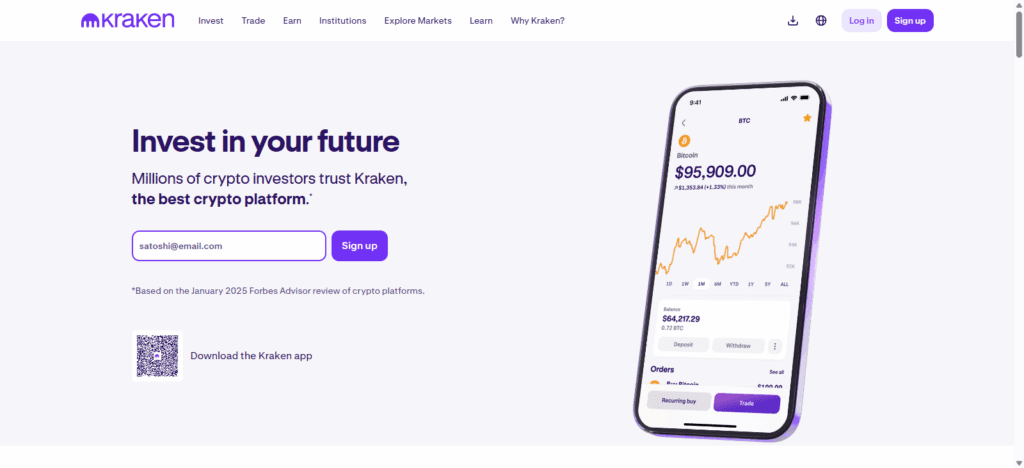
Users can stake popular assets like ETH, DOT, and ADA. Kraken is a custodial service which means he earns and is responsible for the service rewards served to the users safely.
Offering a simple and intuitive system Kraken is very reliable and performs constastly on target which is great for staking. This is perfect for retail and institutional investors.
Kraken Key Features
- Kraken is one of the exchanges that lets you stake 20+ staking assets.
- Kraken offers up to 21% APY.
- Kraken provides flexible and locked staking.
- Global transparent and compliance regulations.
Pros
- Highly secure and regulated exchanges.
- User friendly interfaces for all users.
- Flexible staking terms and regular payouts for the users.
- Reliable customer support.
Cons
- Custodial services provided as users are locked out of private keys.
- Limited staking offerings when compared to DeFi services.
- Minimum lockup periods for some assets above and beyond the staking.
- Global compliance and regulations for all services.
6. Bake
Formerly Cake DeFi, Bake ranks among the top platforms for crypto staking and provides up to 12% APY on more than 10 cryptocurrencies. The platform lets users earn and passive income through staking, liquidity mining and saving, which offers multiple earning opportunities.

Bake’s custodial model simplifies participation, as they take care of the validators and reward the users. With Bake’s detailed dashboard, users know the value of their earning to the cent.
The platform has garnered attention for its yields and savings, which will appeal to users who want to mitigate risks on their staking, while also earning on multiple fronts. The simplicity and transparency offered will ease the financial staking experience for stakers.
Bake (Cake DeFi) Key Features
- Bake offers 10+ cryptos for Buy and Hold and offers up to 12% APY.
- Bake also includes staking, lending and liquidity mining.
- Bake explains their services using business-intelligent dashboards.
- Custodial staking is offered by Bake as he handles the validator operations.
Pros
- Bake offers simple and easily understandable and transparent staking.
- Stacking is Hedged.
- Persistent yields reported and stakes balanced.
- User friendly and transparent to all users.
Cons
- Custodial setups diminish control for the users.
- Limited stacking offerings when compared to DeFi services.
- Subject to region.
- APY rates can change based on how much demand there is for a particular token.
7. Nexo
Nexo is one of the top platforms for crypto staking because again, offers 15% APY on 20+ assets and provides flexible staking. Nexo users have the liberty of daily payouts and do not have to worry about their assets being pocketed for long periods.
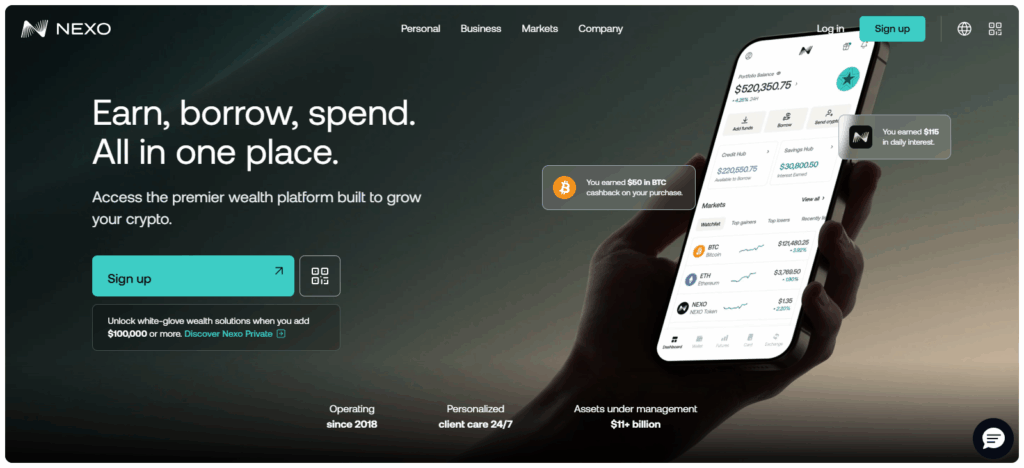
There’s even monthly cash back and better savings rates for NEXO token holders. The ease of use offered through custodial designs is also a selling point and this is espoused by Nexo’s infrastructure.
Nexo is a dependable platform because of the high custodial security offered through partnerships with BitGo and Ledger Vault. The high rates of token staking alongside savings and lending provide great utility.
Nexo Key Features
- Up to 15% APY on over 20 cryptocurrencies.
- Daily payouts. No lock-up periods required.
- Additional perks for NEXO token holders.
- Insured and regulatory- compliant custodial platform.
Pros
- Daily interest payments is a nice touch.
- Highly reliable with great visibility and security.
- NEXO token provides extra incentives and cashback.
- Lending and savings features are great to have.
Cons
- Limited user control of funds due to custodial.
- Tier level loyalty is required for rates.
- Yields are lower for users that do not hold Nexo tokens.
- Availability is limited depending on where you live.
8. Lido
Lido is one of the best crypto staking platforms for Ethereum and other proof-of-stake networks, offering up to 8% APR through a non-custodial model. Users can stake ETH and simultaneously access liquidity with stETH tokens, which can be traded or used in other DeFi applications.
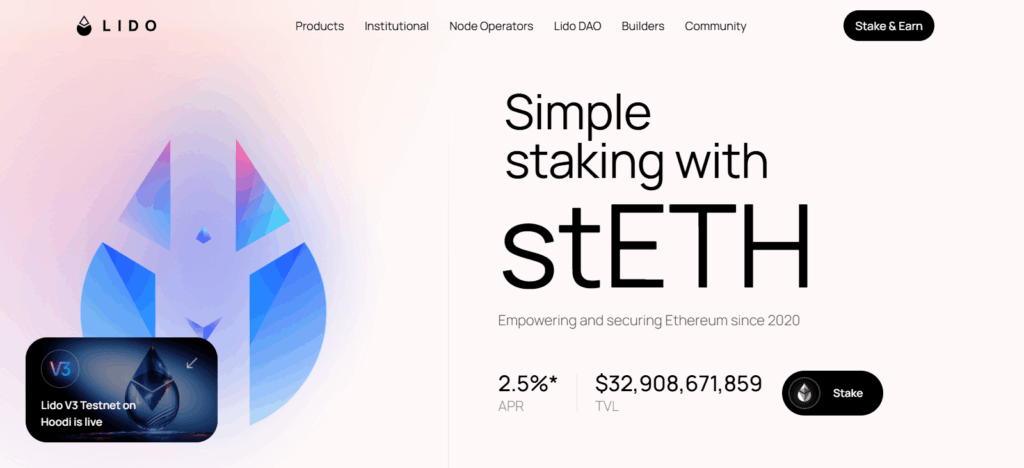
Lido is an excellent choice for users who can’t afford the 32 ETH needed to become a validator, and the decentralized governance and ecosystem are plus points for users who want control over their assets. The blend of liquidity, decentralization, and simplicity is what positions Lido in the front ranks of liquid staking solutions.
Lido Key Features
- Liquid staking solution that is non-custodial.
- Up to 8% APR on Ethereum and other PoS.
- stETH tokens are issued for liquidity.
- Completely decentralized governance.
Pros
- Liquidity is provided and stake is still retained.
- There is no minimum amount of ETH.
- Smart contracts are audited and a lot of transparency is provided.
- Community is open to changes and is decentralized.
Cons
- These returns are a little lower in comparison to centralized exchanges.
- Risk of smart contracts.
- Limited to a few PoS assets.
- Must use a DeFi wallet like MetaMask.
9. Stakely
Stakely is one of the best crypto staking platforms with one of the highest Stakely profits reaching up to 53% APY, 30+ assets, and 30+ networks. Stakely is one of the non-custodial staking platforms, meaning users can coin stake and control their coins with no losing access.
Stakely’s unique proposition is staking insurance as well as having no minimum deposit, which opens the access for any investor no matter the size of their funds.
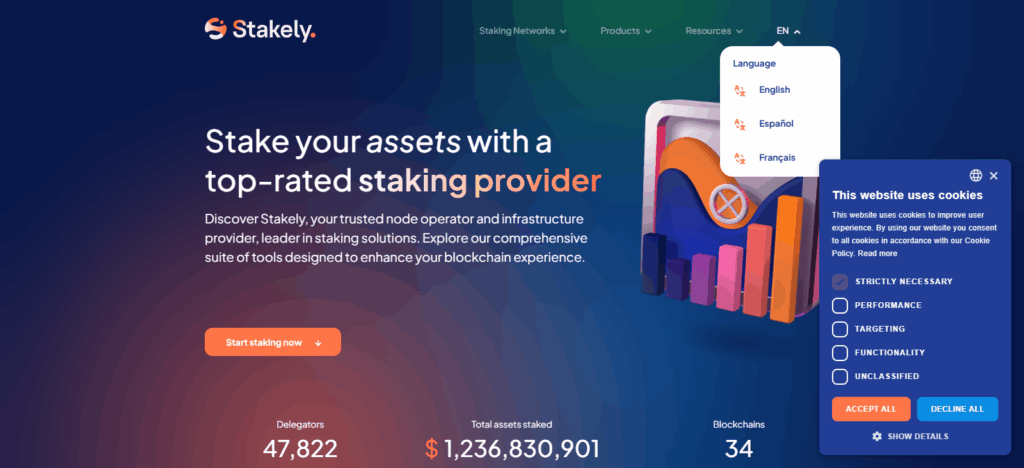
Stakely has complete blockchain support with the highest value assets like Cosmos, Polkadot, and Cardano, along with consistent and transparent validator reporting.
The combination of unique offerings and community focus is what drives Stakely’s popularity among serious stakers.
Stakely Key Features
- Non-custodial with 53% APY staking potential.
- Supports 30+ blockchain networks.
- Offers staking insurance for protection.
- No minimum deposit requirement.
Pros
- High yield opportunities for advanced users.
- Full user control over staked assets.
- Transparent validator operations and rewards.
- Staking insurance provides added safety.
Cons
- Requires technical knowledge to get started.
- No fiat integration for easy purchases.
- Potential slashing risks in validator errors.
- Limited support for new users.
10. Rocket Pool
Rocket Pool is a decentralized Ethereum staking network and one of the best staking platforms for crypto non-custodial users. It provides up to 3.27% APR and offers node staking and liquid staking options. Users can fully control their assets as staking begins at 0.01 ETH.
For those operating nodes, extra rewards are provided, enhancing the network’s decentralization for Ethereum. For transparency and safety, Rocket Pool’s smart contracts have all been fully audited.
By combining decentralization with accessibility, Rocket Pool offers a seamless experience compared to other Ethereum staking options.
Rocket Pool Key Features
- Decentralized Ethereum staking protocol.
- Minimum stake as low as 0.01 ETH.
- Offers both node and liquid staking.
- Fully audited smart contracts.
Pros
- True non-custodial Ethereum staking option.
- Low entry barrier for small investors.
- Additional rewards for node operators.
- Promotes Ethereum network decentralization.
Cons
- Only supports Ethereum staking.
- Lower returns compared to exchange-based staking.
- Requires familiarity with DeFi tools.
- Complex setup for node operation.
How to Earn Passive Income through Crypto Staking (Example: Binance)
Step 1: Create and Verify Your Account
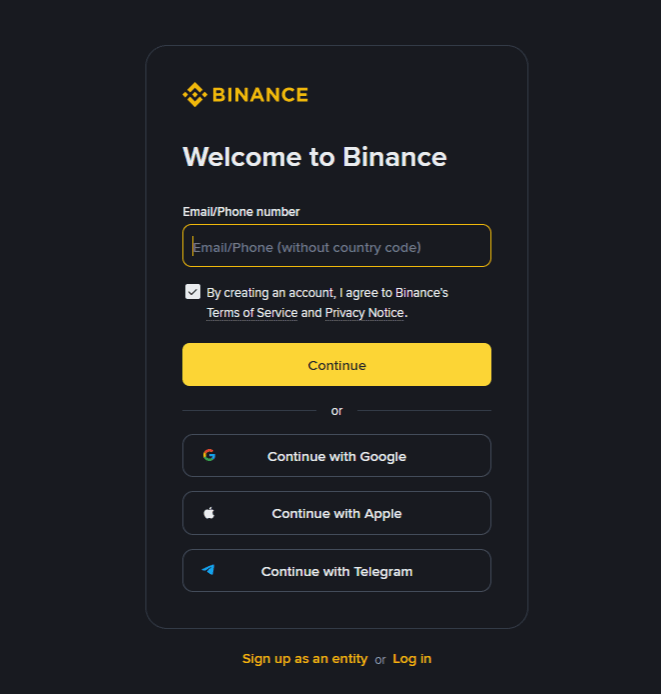
Go to the Binance website or use the mobile app. Sign in using your email address or phone number, and full secure trading and staking functionality become activated after your KYC verification is complete.
Step 2: Deposit or Buy Cryptocurrency
After your accounts gets verified, deposit crypto from an external wallet or purchase coins directly on Binance using fiat (INR, USD, EUR, etc.). Choose one of the Proof-of-Stake coins, such as ETH, BNB, ADA, or SOL. These coins will give you staking rewards.
Step 3: Go to Binance Earn Section
Click on “Earn” on the Binance dashboard, and you will see an array of earning options. You will see Simple Earn, Locked Staking, DeFi Staking, and Launchpool – Each of which has varying APY rates and lock-up periods.
Step 4: Choose a Staking Option
Select Locked Staking if you prefer a higher APY or Flexible Staking if you want to withdraw without restrictions. For instance, staking BNB has an APY of 10%. Check how long you want to stake it for (e.g. 30, 60, 90 days).
Step 5: Confirm and Stake
Indicate how much crypto you want to stake, check the terms, and then hit Confirm. Your crypto gets delegated to Binance validators and is staked immediately.
Step 6: Earn Rewards Automatically
You earn rewards, either daily or weekly based on your selection and it is a fully automated system. You can check your rewards under “Earn History” on your dashboard.
Step 7: Unstake or Reinvest
Once your lock up period is over, you can unstake your crypto and withdraw it, or your can use your rewards to reinvest for compound growth. Flexible products also allow you to unstake at anytime and it is penalty-free.
How to choose the best platform for staking?
Type of Platform
You can pick custodial platforms for ease of use, such as Coinbase and Binance, or non-custodial options like Lido and Rocket Pool. Beginners tend to custodial, while advanced users prefer the freedom of decentralized staking.
Reward Rates (APY or APR)
Be careful while comparing staking rewards as higher APY can mean higher risk or longer lock-up periods. 21% APY can be found on Kraken while Lido provides 8%. Always try to balance potential yield with stability.
Supported Cryptocurrencies
Make sure the coins you prefer are supported. While Binance supports over 60 assets, Coinbase has a more limited offering. Having a platform with multiple options facilitates several blockchains and helps in maximizing staking opportunities.
Lock-up Period and Flexibility
Look at the platform’s withdrawal flexibility. Nexo offers instant unstaking, while others have fixed lock-up periods. Staking APY rewards are higher on long-term locked options, while flexible staking will yield less but you are provided liquidity.
Security and Reputation
Make sure to choose providers with solid security and compliance. Kraken and Coinbase are exchanges you can trust. For non-custodial options, Lido offers more transparency and security with open-source smart contracts and decentralized validators.
Fees and Hidden Costs
Make sure you know every platform’s fees. Platforms can take a small cut from your staking rewards, and some charge withdrawal fees. Lido takes 10%. It’s better for profitability in the long-run if your platform seems to offer unambiguous services.
Additional Perks and Ecosystem Benefits
Additional services can include token-based bonuses, auto-compounding, and DeFi integrations. Crypto.com and Nexo offer cashback, higher yields, and tier-based services to your LTV, so are great options if you want to get the most out of your cashback.
Transparency and Audits
Use services that share audit reports, validator data, and reward metrics on a regular basis. Non-custodial providers Stakely and Rocket Pool let you see everything at any time. This open-source model helps you track rewards and stay accountable.
Conclusion
The top crypto staking platforms offer a safe and trustworthy way to earn passive income and help maintain blockchain networks. Whether you value simplicity and choose custodial options like Coinbase, Binance, or Crypto.com, or prefer non-custodial platforms like Lido, Stakely, or Rocket Pool for full control over your assets, your choice should be based on your experience, risk appetite, and investment objectives.
Crypto investors can effortlessly grow their holdings through staking and take advantage of flexible terms, competitive rewards, and transparent operations. To ensure your staking journey will be sustainable in the long run, look for platforms with reliable, transparent, and secure operations, and focus on consistent returns.
FAQ
Crypto staking is the process of locking up your digital assets in a blockchain network to help validate transactions and maintain security. In return, you earn staking rewards — similar to earning interest on savings in traditional banking.
To choose the best staking platform, compare reward rates (APY), supported cryptocurrencies, security measures, lock-up periods, and platform reputation. For example, Binance offers diverse options, while Lido provides decentralized liquid staking.
Platforms like Stakely offer up to 53% APY, while Kraken and Crypto.com provide up to 21% and 19% respectively. However, higher yields often come with longer lock-ups or higher risk, so balance return with safety.
Yes, but safety depends on the platform type. Custodial platforms like Coinbase and Kraken are regulated and secure, while non-custodial options like Lido and Rocket Pool give you full control of your funds through decentralized smart contracts.
That depends on the platform. Flexible staking (e.g., Nexo, Binance Flexible Earn) allows instant withdrawal, while locked staking requires you to wait for the staking period to end before accessing your funds.