

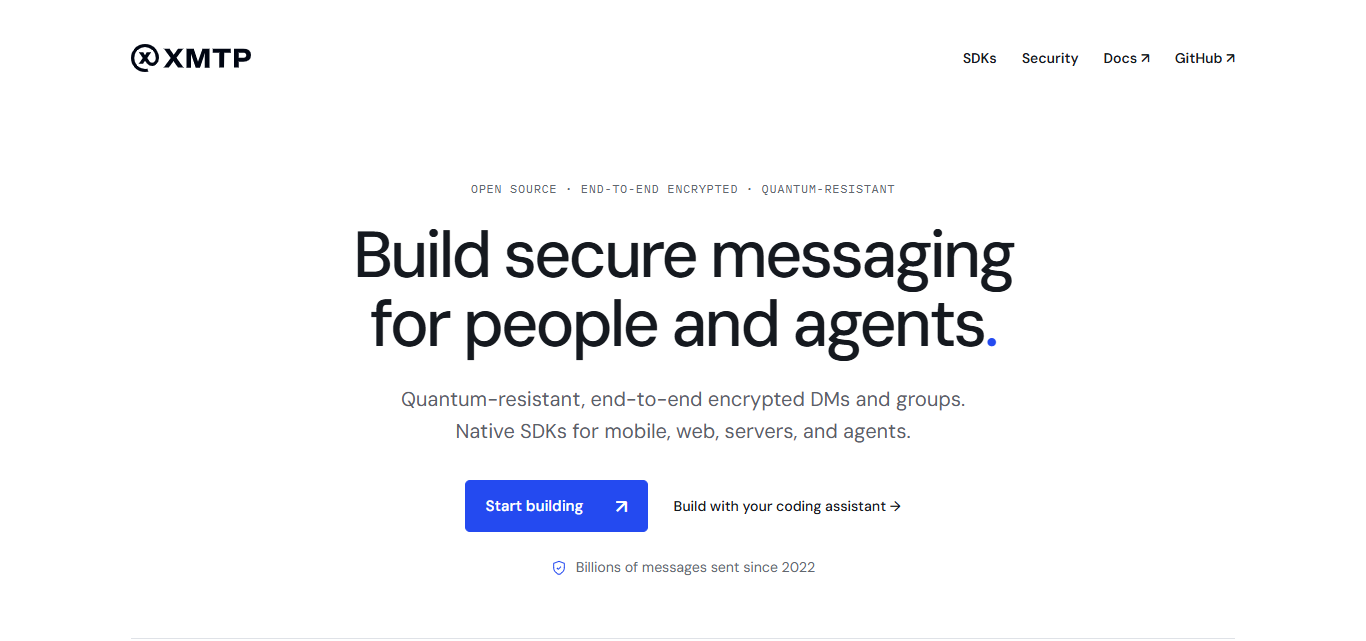
In this article, I will discuss the Top XMTP Competitors for Wallet to Wallet Messaging including top Web3 communication platforms and decentralized messaging protocols.
We’ll explore their key features, wallet integration, encryption, privacy, interoperability, and messaging capabilities to see how these solutions compare to XMTP and how they facilitate secure, decentralized communication across blockchain networks and Web3 applications.
How We Choose the Best XMTP Alternatives for Wallet-to-Wallet Messaging
- Messaging Capabilities: Look at direct messaging, group chat, and live communication options.
- Security and encryption: Check end-to-end encryption, data security and safe communication protocols.
- Decentralization: Choose platforms that enable peer-to-peer communication and utilize decentralized infrastructure.
- Interoperability: Verify compatibility across various blockchain networks, wallets and messaging protocols.
- Developer Support : Check out APIs, SDKs, documentation and ease of integration for Web3 apps.
- Community Features: Evaluate group messaging, token-gated access and decentralized community engagement.
- Scalability and Performance: Check on message speed, network reliability and capacity to take on more users as they grow.
- Adoption in Web3 Ecosystem: Assess platform usage, ecosystem integrations, developer activity, and industry relevance.
Key Points & Top XMTP Competitors for Wallet-to-Wallet Messaging
| Platform | Explanation |
|---|---|
| Push Protocol | Enables decentralized notifications and wallet messaging across Web3 applications and communities. |
| WalletChat | Provides secure wallet-to-wallet messaging without requiring traditional email or phone numbers. |
| Waku | Offers privacy-focused, decentralized communication infrastructure for Web3 messaging applications. |
| Dialect | Delivers blockchain-native messaging, notifications, and interactive experiences for wallet users. |
| Cherry.fun | Connects Web3 communities through decentralized social experiences and wallet-based communication tools. |
| Status / Waku-based Chats | Combines encrypted messaging, decentralized infrastructure, and private communication for Web3 users. |
| Keet | Enables peer-to-peer encrypted messaging and video calls without centralized servers. |
| Haiven (by 3num) | Supports decentralized Web3 communication and community engagement through blockchain-connected identities. |
| Diode | Provides decentralized messaging, collaboration, and secure communication for Web3 ecosystems. |
| dm3 Protocol | Enables interoperable, decentralized messaging between blockchain identities across multiple networks. |
10 Top XMTP Competitors for Wallet-to-Wallet Messaging
1. Push Protocol
Push Protocol is a Web3 communication protocol that enables users to send and receive messages directly to and from each other’s blockchain wallet addresses, without the need for traditional identifiers such as phone numbers or email addresses. Its Push Chat feature allows encrypted conversations, group messaging, multimedia sharing and decentralized notifications.
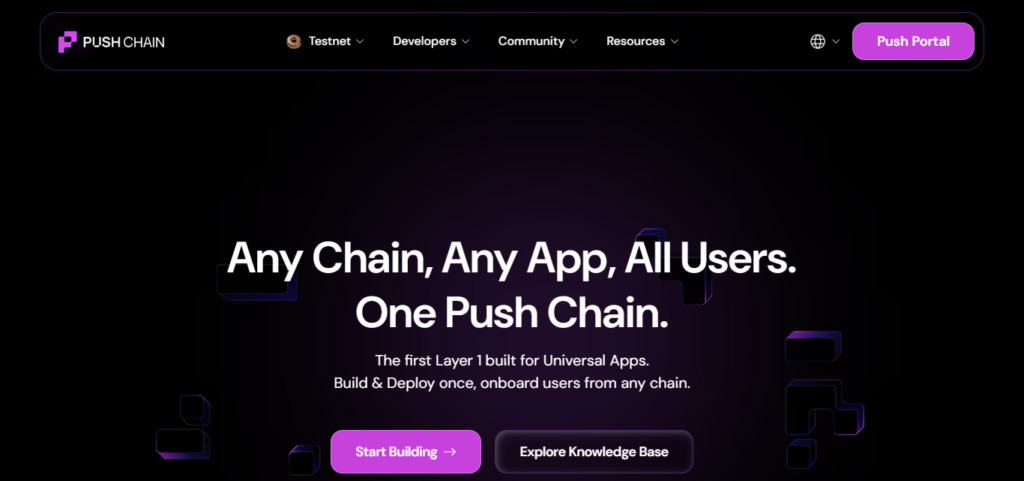
Developers are able to integrate messaging capabilities into decentralized applications, wallets and Web3 platforms through the existing SDKs. Push also supports wallet-based identities, NFT-related communication and token-gated communities
Where users can interact based on blockchain ownership or access permissions. Its cross-chain capabilities and notification infrastructure make it a relevant XMTP competitor for apps looking for integrated wallet messaging and communication experiences.
Push Protocol Key Features
| Key Features | Explanation |
|---|---|
| Wallet-Based Messaging | Enables users to send direct messages using blockchain wallet addresses without phone numbers or email addresses. |
| End-to-End Encryption | Protects private conversations through encryption, allowing intended participants to access message contents. |
| Decentralized Notifications | Delivers messaging notifications alongside chat messages through its Web3 communication infrastructure. |
| Token-Gated Communities | Supports restricted group access based on NFT ownership, token holdings, and custom conditions. |
2. WalletChat
WalletChat is a Web3 social communication platform to connect cryptocurrency wallet users, decentralized applications, and blockchain communities through direct messaging. This allows developers to integrate wallet-to-wallet communication into their apps so that users can communicate without having to depend on external platforms like Telegram or Discord.
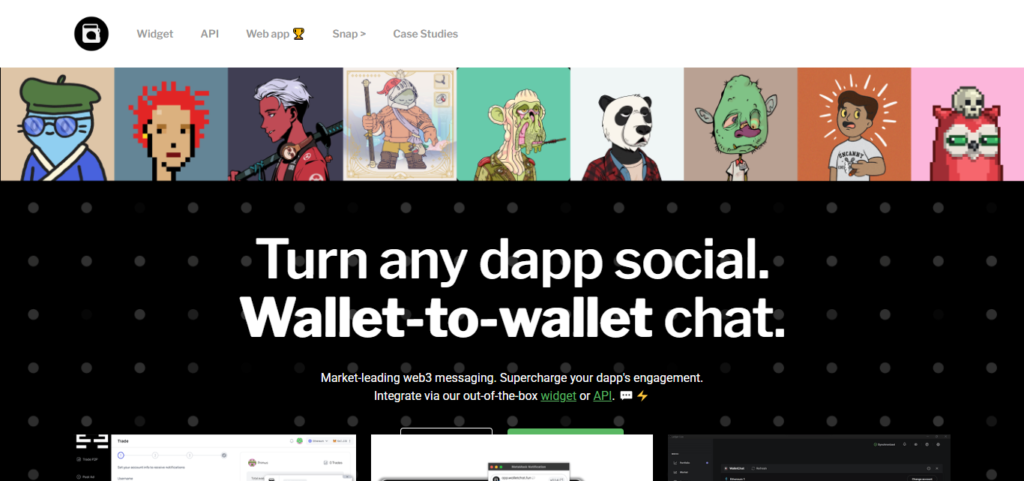
Its messaging experience connects chats to existing Web3 identities, making communication more relevant to blockchain activities and decentralized services. WalletChat also offers privacy-focused communication by means of encryption integrations and IPFS-based storage when needed.
It’s hybrid Web2 + Web3 architecture is flexible, but still allows for the creation of decentralized social experiences. With these abilities WalletChat is a relevant alternative for projects requiring wallet connected messaging infrastructure.
WalletChat Key Features
| Key Features | Explanation |
|---|---|
| Wallet-to-Wallet Communication | Connects decentralized application users directly through their cryptocurrency wallet identities. |
| Shared Web3 Inbox | Provides a shared messaging experience that applications and wallets can integrate. |
| Multi-Blockchain Support | Supports communication across multiple blockchain ecosystems and wallet identity standards. |
| Token-Gated Messaging | Supports token-gated group conversations and Web3 community communication features. |
3. Waku
Waku is a decentralized communication protocol framework that allows Web3 applications to send messages over a privacy-preserving, peer-to-peer infrastructure. It’s not just a wallet messaging app, it’s a set of communications protocols developers may use to build decentralized chat systems, social platforms and other apps that require secure data transmission.
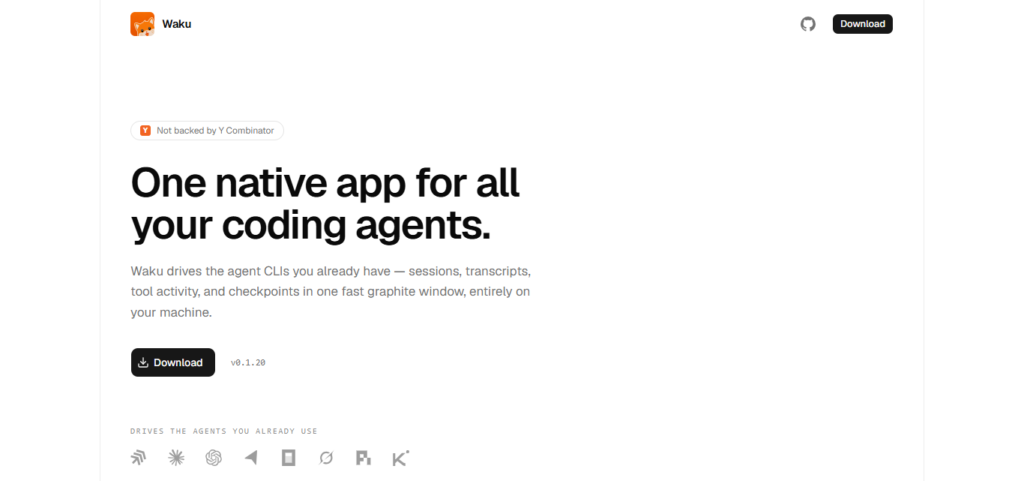
It can relay messages, filter selected messages, temporarily store messages and provide lightweight communication for resource-constrained devices. Waku also supports censorship-resistant communication and privacy-preserving spam protection via technologies such as Rate-Limiting Nullifiers.
Developers are able to customize encryption and messaging features to suit application needs. Waku’s open communication infrastructure is a key technical alternative in the overall XMTP messaging ecosystem.
Waku Key Features
| Key Features | Explanation |
|---|---|
| Peer-to-Peer Messaging | Enables decentralized communication between network participants without relying on centralized messaging infrastructure. |
| Privacy-Focused Communication | Supports privacy-preserving message transmission and censorship-resistant communication for Web3 applications. |
| Message Relay Network | Uses Relay protocols to distribute messages between connected peers through publish-subscribe communication. |
| Spam Protection | Provides Rate-Limiting Nullifiers to restrict excessive messaging and reduce network spam. |
4. Dialect
Dialect is a blockchain-native messaging protocol for wallet-to-wallet communication and notifications from decentralized applications, primarily in the Solana ecosystem. It allows developers to build direct messaging experiences between wallet addresses, linking communication to on-chain activity.

Its infrastructure supports one-to-one messaging so applications can send notifications and conduct conversations without traditional messaging identities. Dialect improves Web3 user experiences with interactive notifications and wallet-connected communication features.
Developers are able to integrate its messaging capabilities into decentralized applications to help with user engagement, transaction updates and direct communication. Dialect’s Solana-centric architecture makes it a relevant player in wallet messaging.
Dialect Key Features
| Key Features | Explanation |
|---|---|
| Wallet-to-Wallet Messaging | Supports direct communication between blockchain wallets through its Solana messaging protocol. |
| Smart Notifications | Delivers application notifications based on blockchain activities and important user events. |
| Universal Inbox | Aggregates notifications from supported applications and protocols into one wallet-native interface. |
| Developer Integration | Provides APIs, SDKs, and customizable components for integrating messaging and notifications into applications. |
5. Cherry.fun
Cherry.fun is a wallet-to-wallet messaging and Web3 community platform that allows cryptocurrency users to communicate directly through their blockchain addresses and supported domain names. It supports encrypted direct messages, wallet-based identities and group-conversations with token-gated or NFT-gated access.
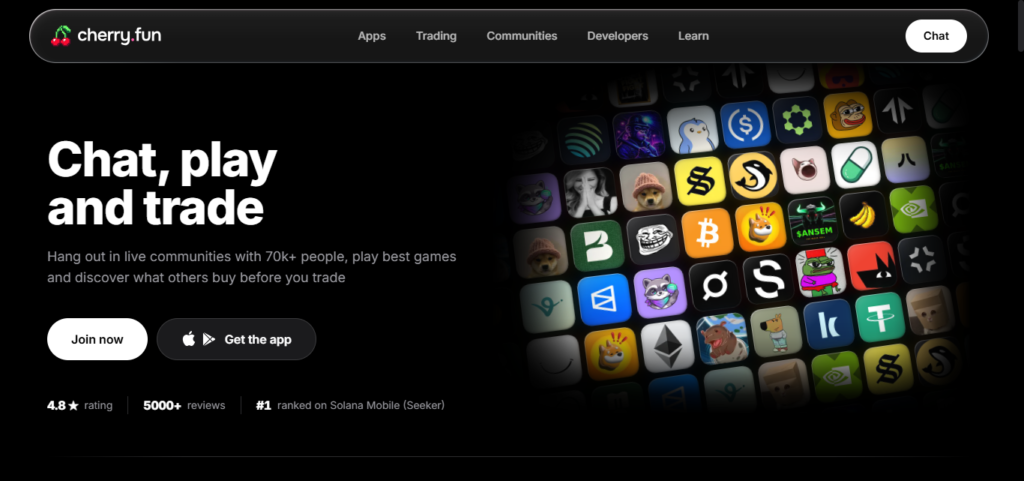
The users can contact addresses of wallets, even if the recipients have never registered before. The incoming messages will be shown in a separate requests section. Cherry also supports Solana, in addition to Ethereum, Base, BNB Smart Chain and Robinhood Chain addresses.
Additional features include spam-conscious message requests, optional paid notifications, and community communication. With these features, Cherry is a relevant competitor to XMTP for wallet-native messaging and decentralized social interactions.
Cherry.fun Key Features
| Key Features | Explanation |
|---|---|
| Direct Wallet Messaging | Allows users to message cryptocurrency wallet addresses and supported blockchain domain names. |
| End-to-End Encryption | Encrypts direct messages using keys derived from wallet signatures to protect conversations. |
| Multi-Chain Compatibility | Supports wallet messaging across Solana, Ethereum, Base, BNB Smart Chain, and Robinhood Chain. |
| Gated Group Communities | Provides token-gated, NFT-gated, and paid group conversations for blockchain communities. |
6. Status / Waku-based Chats
Status is an open source Web3 app that combines private messaging, a cryptocurrency wallet and decentralized communities. Its communication infrastructure is built on Waku, allowing peer-to-peer messaging without the need for traditional centralized messaging servers.
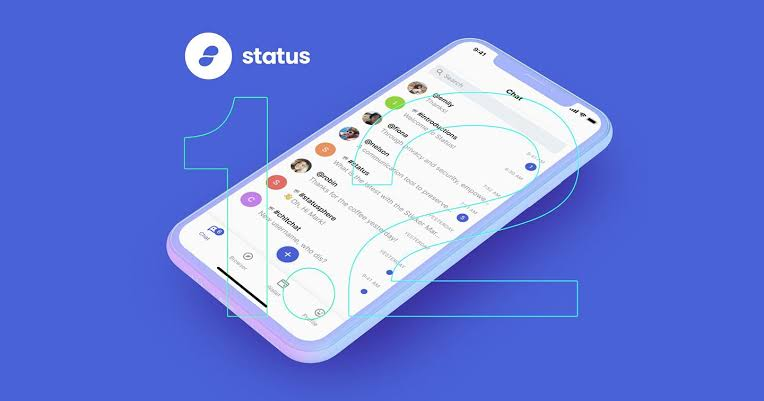
Status supports encrypted direct conversations, group chats, public communities and private communication experiences. For security, it has end-to-end encryption, metadata protection and Perfect Forward Secrecy, helping to protect conversations and communication identities.
Users can also build communities with access restrictions based on tokens, NFTs, and ENS names. Status merges wallet functionality with decentralized messaging infrastructure, providing an integrated communication experience and is a relevant alternative within the broader XMTP ecosystem.
Status / Waku-Based Chats Key Features
| Key Features | Explanation |
|---|---|
| End-to-End Encryption | Protects private messages, attachments, and group conversations from unauthorized access. |
| Peer-to-Peer Communication | Uses Waku infrastructure to exchange messages without depending on centralized messaging servers. |
| Decentralized Communities | Supports private groups, public chats, and community-based communication experiences. |
| Perfect Forward Secrecy | Changes encryption keys between messages to strengthen protection against future key compromises. |
7. Keet
Keet is a peer-to-peer messaging application built on the Holepunch technology ecosystem. It is a decentralized, private communication platform that does not use centralized servers. Users can send direct messages, participate in group chats, share files, and make encrypted audio and video calls.
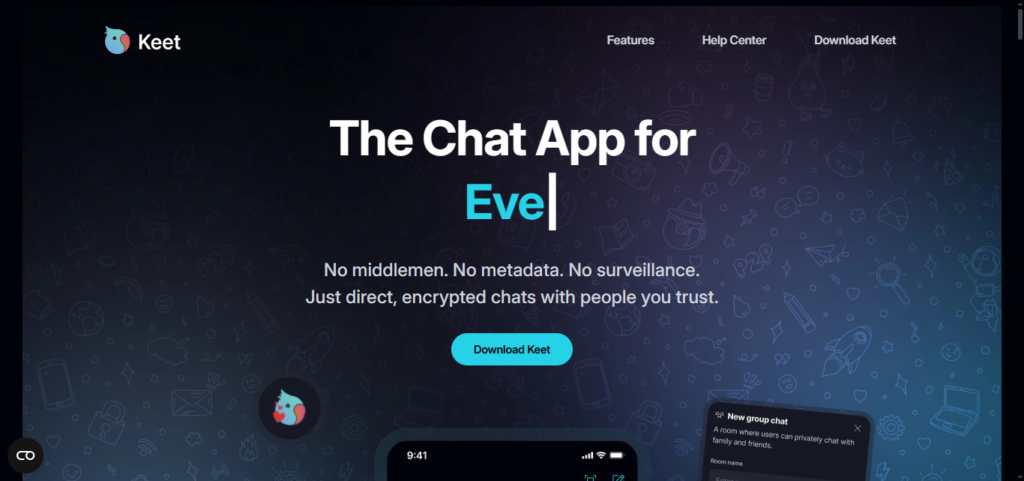
The peer-to-peer design allows direct communication and file transfer between participating devices, thus decreasing reliance on centralized infrastructure. You can also connect with other users by username and manage your identity privately, with end-to-end encryption,
without needing to sign up with a phone number or email. While not a blockchain wallet messaging protocol per se, its decentralized architecture, privacy features, and direct communication capabilities make it a useful adjacent competitor to XMTP.
Keet Key Features
| Key Features | Explanation |
|---|---|
| Peer-to-Peer Messaging | Enables direct communication between users without requiring centralized messaging servers. |
| End-to-End Encryption | Protects conversations and shared content so only intended participants can access them. |
| Audio and Video Calls | Supports encrypted voice calls, video communication, and real-time conversations. |
| File Sharing | Allows users to exchange media and files directly through peer-to-peer connections. |
8. Haiven (by 3num)
Haiven’s 3NUM is a privacy-first communications platform aiming to offer encrypted messaging, private calling and protection from unwanted communications. It enables the users to talk using the dedicated phone numbers without disclosing their mobile numbers. It also provides encrypted chats between its members, AI-powered spam screening, and defense against SIM-swap attacks and internet-based calling.
Haiven stresses identity protection and safe communication, not blockchain wallet integration. It’s broader relevance to the XMTP competitor landscape is that it’s focused on encrypted messaging, privacy, and user-controlled communication. But it’s a messaging alternative that’s adjacent, not a direct wallet-to-wallet protocol competitor.
Haiven (by 3num) Key Features
| Key Features | Explanation |
|---|---|
| Encrypted Messaging | Provides encrypted conversations between Haiven members to protect private communications. |
| Private Phone Numbers | Allows users to communicate using dedicated numbers instead of exposing personal phone numbers. |
| AI Spam Protection | Screens unwanted calls and identifies potential spam before connecting callers. |
| SIM-Swap Protection | Protects assigned numbers against SIM-swap attacks and associated identity security risks. |
9. Diode
Diode is a decentralized communication and networking platform, that is focused on providing secure connectivity, private collaboration and peer-to-peer infrastructure. Its ecosystem offers encrypted team messaging, file sharing, and decentralized networking features to decrease reliance on traditional centralized communication systems.

Its technology also includes peer-to-peer connectivity and WireGuard-based networking, allowing applications and organizations to establish private communication channels. Diode is especially helpful for Web3 projects and teams that need to collaborate securely, keep their infrastructure private and exchange data in a decentralized way.
Its core positioning is different from that of wallet-native messaging protocols. However, its privacy-centric architecture and communication capabilities make it a nearby alternative to consider when comparing XMTP with broader decentralized messaging solutions.
Diode Key Features
| Key Features | Explanation |
|---|---|
| Secure Messaging | Provides end-to-end encrypted direct messages and group conversations for team collaboration. |
| Encrypted File Sharing | Enables secure file transfers without storing shared content in centralized cloud storage. |
| Peer-to-Peer Networking | Uses decentralized networking infrastructure to establish private communication connections. |
| Secure Collaboration | Supports team communication through shared workspaces and protected collaboration environments. |
10. dm3 Protocol
dm3 Protocol is a decentralized Web3 messaging protocol to allow for safe communication between blockchain identities across various applications and messaging services. It uses Ethereum Name Service (ENS) records to handle communication profiles, public encryption keys and message delivery information.
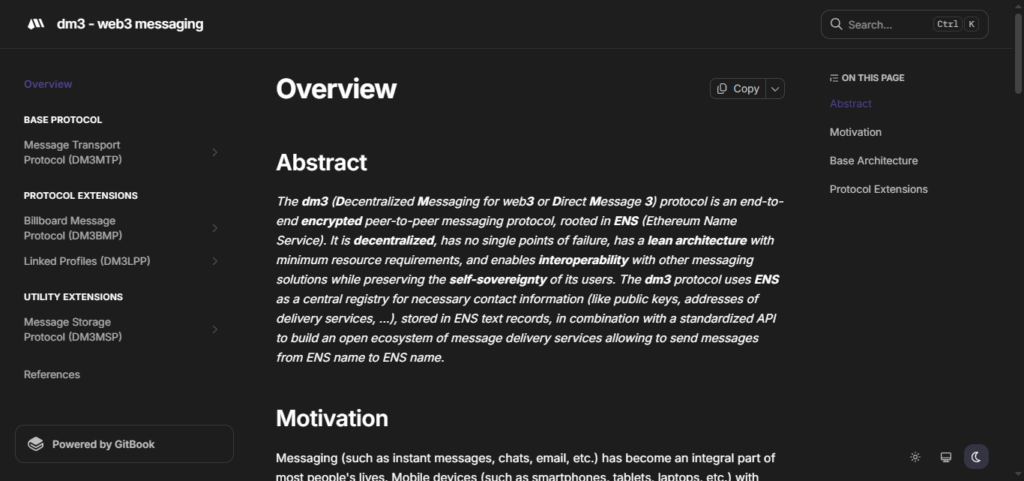
Designed to provide end-to-end encrypted peer-to-peer messaging, electronic signatures, and decentralized message relay services. The protocol also emphasizes interoperability, enabling different messaging applications and delivery providers to interact with each other through standardized interfaces.
Other specifications include group messaging, spam protection, privacy features, and token-gated access. dm3 is a strong contender to XMTP in decentralized wallet communication, with its self-sovereign identity approach and interoperable infrastructure.
dm3 Protocol Key Features
| Key Features | Explanation |
|---|---|
| ENS-Based Identity | Uses Ethereum Name Service records to manage communication profiles and messaging information. |
| End-to-End Encryption | Protects messages using public-key cryptography and secure communication mechanisms. |
| Messaging Interoperability | Enables different messaging applications and delivery services to communicate through standardized interfaces. |
| Decentralized Message Delivery | Uses independent message relay services to support peer-to-peer communication without a single delivery provider. |
Conclusion
Conclusions The choice of the best XMTP competitor for wallet to wallet messaging is a question of security, privacy, decentralization, interoperability and wallet integration. Some of these platforms that offer useful communication functionalities include Push Protocol, WalletChat, Waku, Dialect, Cherry.fun and dm3 Protocol.
Businesses and developers should assess their features, scalability and ecosystem support in choosing the right solutions to build secure, reliable and user-friendly Web3 messaging experiences.
FAQ
Push Protocol offers wallet-based messaging, encrypted conversations, decentralized notifications, and token-gated Web3 community communication features.
Yes, WalletChat connects blockchain wallet users through messaging features integrated into decentralized applications and Web3 identities.
Waku provides peer-to-peer communication infrastructure, message relaying, privacy protection, and censorship-resistant messaging for decentralized applications.
Push Protocol, Cherry.fun, Status, Keet, and dm3 Protocol provide encryption-focused messaging or communication capabilities.