

The Best Push Protocol Alternatives for Web3 Notifications will be covered in this article, along with solutions that assist developers in providing blockchain activity updates, decentralized messaging, and real-time notifications.
To assist you understand how Notifi, Dialect, XMTP, Mailchain, and other alternatives enable Web3 communication, we will go over their main features, use cases, Web3 compatibility, and advantages.
How We Select the Best Web3 Notification Push Protocol Substitutes
- Web3 Compatibility: Verify wallet integrations, decentralized application compatibility, and blockchain network support.
- Notification Features: Consider messaging, multi-channel delivery, real-time alerts, and configurable notifications.
- Security and Privacy: Take into account user privacy, wallet-based identity, data security, and encryption.
- Developer Integration: Evaluate documentation, SDK support, API accessibility, and integration adaptability.
- Supported Use Cases: Look into wallet monitoring, DAO announcements, NFT updates, and DeFi warnings.
- Cross-Chain Support: Verify cross-chain communication requirements and interoperability with various blockchain networks.
- Ease of Use: Assess setup simplicity, notification management, dashboard functionality, and user experience.
- Scalability and Reliability: Take into account the effectiveness of notification transmission, the dependability of the infrastructure, and the expanding needs of applications.
- Customization Options: Examine audience targeting, automation, customized messaging, and notification options.
- Cost and Accessibility: Examine the various plans, usage restrictions, developer access, and general cost.
Key Points & Best Push Protocol Alternatives for Web3 Notifications
| Platform | Explanation |
|---|---|
| Notifi | Provides customizable Web3 notifications for dApps, wallets, protocols, and blockchain events. |
| Dialect | Enables real-time blockchain messaging and notifications through decentralized communication infrastructure. |
| XMTP | Offers secure, decentralized messaging infrastructure for wallet-based communication and notifications. |
| Mailchain | Delivers blockchain-native emails directly to wallet addresses across multiple networks. |
| Hermes Protocol | Provides decentralized communication infrastructure supporting cross-chain messaging and Web3 notifications. |
| Dmail | Combines decentralized email, encrypted messaging, and Web3 notification services for users. |
| Farcaster | Supports decentralized social notifications through channels, feeds, and connected applications. |
| Lens Protocol | Enables decentralized social notifications through blockchain-powered profiles and application integrations. |
| OneSignal | Delivers multichannel push notifications, in-app messages, and user engagement tools. |
| Pushover | Provides reliable push notifications through simple APIs for applications and developers. |
10 Best Push Protocol Alternatives for Web3 Notifications
1. Notifi
A Web3 communication and notification technology called Notifi was created to assist decentralized applications in providing users with real-time information. With its SDK, Admin Portal, and notification architecture, developers may design personalized notification experiences. Web3 Compatibility Ethereum, Solana, Polygon, Aptos, and other networks are among the blockchain ecosystems that Notifi supports.
Notifications can be sent to users via in-app channels, Telegram, Discord, SMS, and email. Supported Use Cases: Transaction alerts, DeFi updates, NFT bids, DAO governance proposals, wallet activity tracking, and blockchain event notifications are some of its main use cases.
Target Users Web3 developers, DeFi platforms, NFT marketplaces, blockchain businesses, and decentralized application teams looking for adaptable notification solutions can all benefit from Notifi.
Notifi Use Case
- DeFi Activity Alerts: Inform users of significant DeFi transactions, loan activity, token swaps, and changes in liquidity.
- NFT Marketplace Updates: Provide notifications regarding NFT listings, bids, purchases, sales, and collection actions.
- Wallet Monitoring: Use personalized alerts to keep tabs on wallet transactions, token transfers, and noteworthy on-chain activity.
- DAO Governance Updates: Inform community members of significant protocol announcements, voting deadlines, and governance proposals.
Notification Key Features
- Multi-Channel Notifications: Provides notifications via in-app channels, Telegram, Discord, SMS, and email.
- Real-Time Blockchain Alerts: Informs users of DeFi changes, wallet activity, transactions, and NFT events.
- Developer-Friendly SDKs: Offers SDKs and APIs for incorporating customisable alerts into decentralized apps.
- Cross-Chain Support: Assists projects in managing notifications across networks by supporting various blockchain ecosystems.
2. Dialect
A Web3 messaging and notification system called Dialect assists decentralized apps in informing consumers of critical updates. Its Alerts Stack offers developer integration tools, browser widgets, APIs, and configurable in-app notification feeds.
Web3 Compatibility Dialect places a lot of emphasis on the Solana ecosystem, using its cross-platform APIs and notification infrastructure to support wallets and applications. Alerts from several cooperating protocols are combined into its Universal Inbox.
Supported Use Cases DeFi notifications, token activity alerts, governance announcements, community updates, trading notifications, and significant blockchain events may all be sent by developers using Dialect. Target Users: Solana developers, DeFi protocols, cryptocurrency wallets, Web3 businesses, and blockchain communities seeking integrated notification experiences can all benefit from it.
Dialect Use Case
- Solana Transaction Alerts: Provide alerts regarding blockchain activity, token transfers, and wallet transactions.
- DeFi Notifications: Inform users about events related to decentralized finance, trading activity, and changes in liquidity.
- Community Announcements: Inform users of significant ecosystem advancements, application announcements, and project updates.
- Trading Alerts: Inform users about pertinent token activity, market changes, and trading events unique to a particular application.
Dialect Key Features
- Real-Time Alerts: Provides prompt updates regarding decentralized application events and blockchain activity.
- Universal Inbox: Enables users to access notifications from several participating apps in one location.
- Developer Integration: Offers APIs and tools for creating personalized notification experiences.
- Solana Ecosystem Support: Provides Web3 notification infrastructure, with a particular emphasis on Solana apps.
3. XMTP
Developers can incorporate safe, decentralized communication into their apps by using the open messaging protocol known as XMTP. Users may connect without relying on conventional centralized messaging platforms thanks to its capability for group conversations and end-to-end encrypted direct communications. With its messaging architecture and SDKs, developers may create unique communication experiences.
Web3 Compatibility: Web3 apps and decentralized ecosystems can benefit from XMTP’s support for cryptographically verifiable identities and wallet-connected communication. Supported Use Cases: Wallet-to-wallet messaging, private talks, group communication, community involvement, and agent-based messaging are some of its uses.
Target Users: Web3 developers, wallet providers, decentralized applications, messaging platforms, and communities in need of secure communication capabilities are the target audience for XMTP.
XMTP Use Case
- Wallet-to-Wallet Communication: Allow users to communicate privately by using their identities linked to the blockchain.
- DAO Community Messaging: Facilitate private group discussions between decentralized communities and governance members.
- Customer service: Permit Web3 apps to speak with users directly via secure messaging platforms.
- Agent Communication: Using a decentralized messaging infrastructure, let AI agents and apps communicate with users.
XMTP Key Features
- End-to-end Encryption: Encrypted decentralized messaging infrastructure safeguards private interactions.
- Wallet-Based Identity: This allows users to interact using Web3 IDs that are cryptographically verified.
- Decentralized Messaging: Facilitates group discussions and direct messages without depending on centralized messaging infrastructure.
- Developer SDKs: These let developers to include encrypted communications into decentralized apps and wallets.
4. Mailchain
Email-like messaging between blockchain wallet addresses is made possible by Mailchain, a Web3 communication platform. It enables users to send and receive encrypted communications using their Web3 identities by combining a single inbox with an open-source, multi-chain communication system.
Without requiring users to provide conventional email addresses, its messaging architecture facilitates secure conversation. Web3 Compatibility: Mailchain facilitates communication across several blockchain addresses by supporting wallet-based identities and multiple blockchain networks.
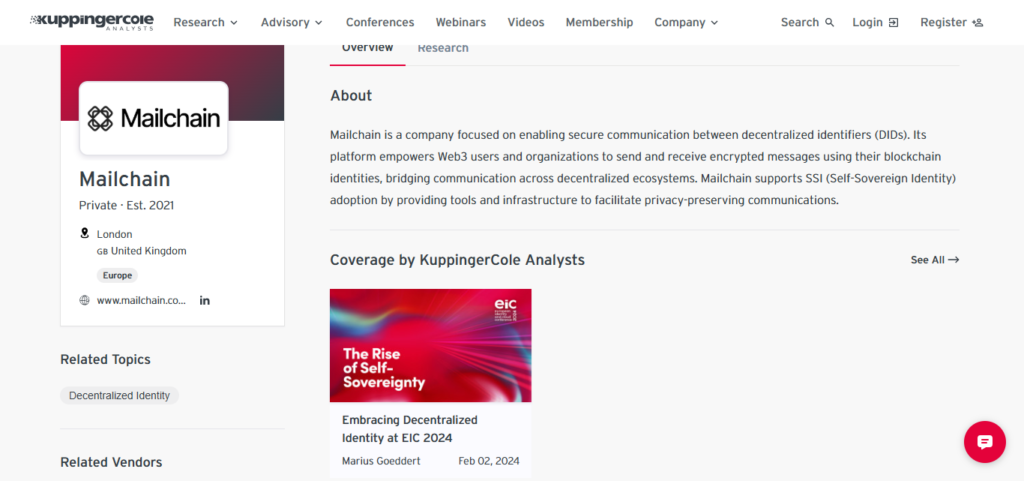
Supported Use Cases Typical applications include invoices, developer updates, project announcements, account notifications, transaction-related messages, and service communications. Target Users Blockchain engineers, cryptocurrency companies, wallet owners, Web3 communities, and decentralized applications needing private wallet-to-wallet communication can all benefit from Mailchain.
Mailchain Use Case
- Wallet Communication: Without the need for conventional email addresses, send messages straight to blockchain wallet addresses.
- Project Announcements: Inform Web3 users of significant upgrades, product announcements, and service details.
- Transaction Communication: Exchange blockchain activity messages, payment information, and transaction-related data.
- Business Communication: Facilitate communication between blockchain projects, decentralized organizations, and their users.
Mailchain Key Features
- Wallet-Based Messaging: Using blockchain wallet addresses, users can send and receive messages.
- Encrypted Communication: Enables Web3 identities on compatible blockchain networks to communicate privately with one another.
- Multi-Chain Compatibility: Uses wallet-based communication to link users from several blockchain ecosystems.
- Unified Inbox: Offers Web3 communication management a familiar email-like experience.
5. Hermes Protocol
Through automatic notifications, Hermes Protocol, a blockchain communication and notification tool, assists users in keeping an eye on significant on-chain activity. It enables users to monitor wallet transactions, changes in cryptocurrency prices, NFT operations, proposals for governance, and other blockchain-related events.
The platform’s primary goal is to promptly notify users of actions that might need urgent attention. Web3 Compatibility: Its website mentions more ecosystem integrations, and its documentation lists Terra and Terra Classic as supporting blockchains.
Supported Use Cases Price notifications, auction tracking, NFT purchases, whale wallet monitoring, governance updates, and validator activity monitoring are important applications. Target Users: Cryptocurrency speculators, NFT traders, blockchain communities, validators, and users of decentralized applications looking for event-based notifications can all benefit from Hermes Protocol.
The Hermes Protocol Use Case
- Whale Wallet Tracking: Keep an eye on big wallet transfers and get notifications when major cryptocurrency moves occur.
- NFT Activity Monitoring: Use notifications to keep tabs on NFT sales, purchases, auctions, and marketplace activity.
- Token Price Alerts: Inform users when certain cryptocurrency prices surpass predetermined benchmarks.
- Governance Monitoring: Keep track of significant protocol advancements, voting actions, and blockchain governance ideas.
Hermes Protocol Key Features
- On-Chain Activity Monitoring: Monitors blockchain events and notifies users of significant activity.
- Wallet Tracking: Assists users in keeping an eye on specific blockchain addresses and wallet transactions.
- NFT Alerts: Provides updates on marketplace activity, auctions, and NFT purchases.
- Custom Event Notifications: Assists customers in keeping track of pertinent pricing changes, governance initiatives, and blockchain occurrences.
6. Dmail
Dmail Network is a decentralized communication platform that offers Web3 users marketing communication tools, messaging, alerts, and encrypted email services. Applications and smart contracts can interact with people via blockchain-connected identities thanks to its messaging system. Through recognizable email-style communication experiences, the platform seeks to link people with decentralized applications.
Web3 Compatibility: Wallet addresses, decentralized identities, NFT domains, and email identities are supported by Dmail’s documentation, which details interoperability across several blockchain and Web2 networks.
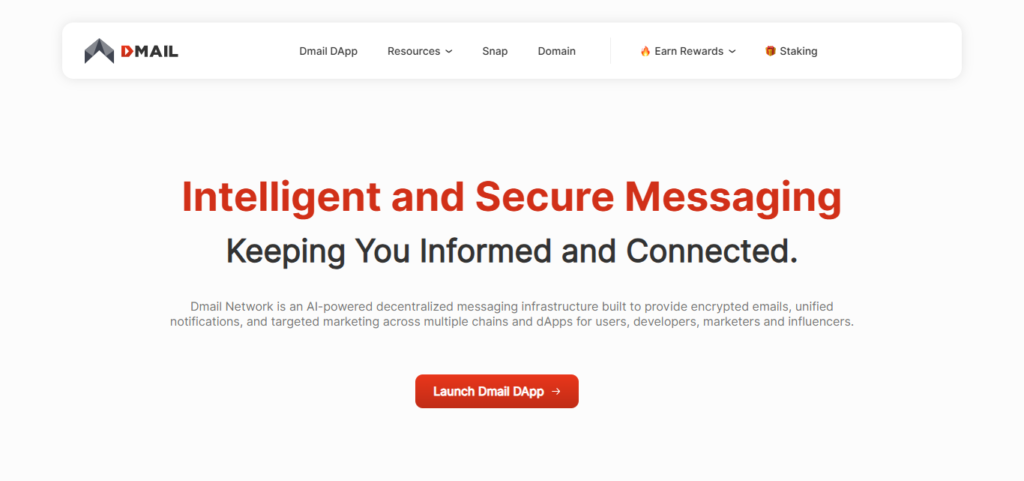
Supported Use Cases It can be used for marketing campaigns, blockchain-related updates, encrypted communications, project announcements, and dApp notifications. Target individuals: Web3 developers, cryptocurrency initiatives, marketers, blockchain groups, and individuals looking for decentralized communication services can all benefit from Dmail.
Dmail Network Use Case
- Decentralized Email Communication: Make it possible for Web3 users to communicate using email addresses linked to the blockchain.
- Marketing Campaigns: Provide subscribers with campaign updates, product announcements, and promotional communications.
- dApp Notifications: Inform users of significant events, account modifications, and decentralized application activity.
- Community Engagement: Assist Web3 projects in disseminating ecosystem updates, event invitations, and announcements.
The Dmail Network Key Features
- Decentralized Email: Facilitates communication via decentralized email infrastructure and blockchain-connected identities.
- Encrypted Messaging: Enables users to communicate privately via Web3 messaging services.
- Notification Services: Assists decentralized apps in informing consumers of updates and announcements.
- Multi-Chain Integration: Links communication experiences between decentralized ecosystems and supported blockchain networks
7. Farcaster
Farcaster is a decentralized social networking system that allows users to engage across various social applications, make content, follow accounts, and establish profiles. Using shared user identities and network data, it offers an open infrastructure for developers to create social experiences. Its social environment can facilitate community participation and application-level notifications even if it is not primarily a dedicated push notification protocol.
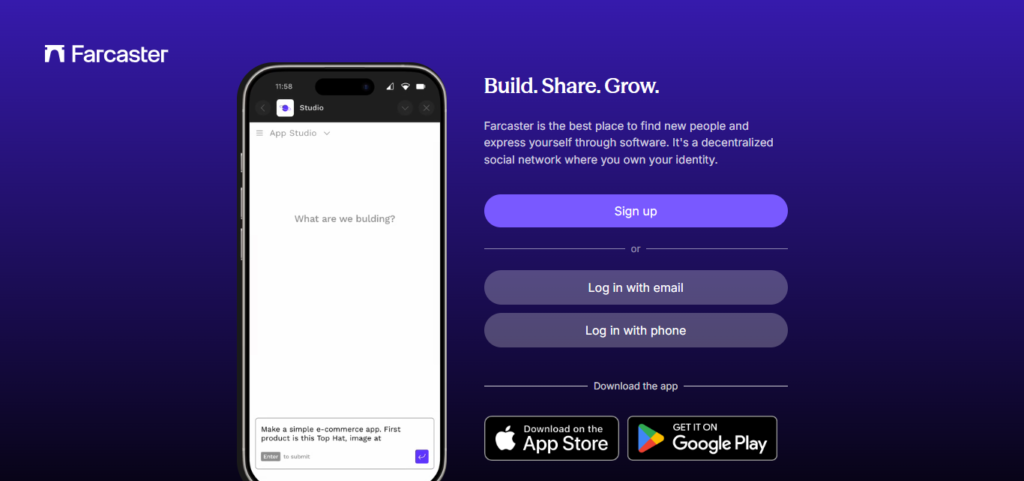
Web3 Compatibility: Users can keep portable identities across compatible apps thanks to Farcaster’s decentralized social infrastructure and blockchain-based identity registration. Applications like as social updates, community announcements, creator engagement
Mini Apps, and decentralized social interactions are among its supported use cases. Target Users: Web3 developers, creators, social applications, community administrators, and decentralized online communities can all benefit from Farcaster.
Farcaster Use Case
- Community Updates: Disseminate key ecosystem changes, conversations, and decentralized social announcements.
- Creator Engagement: Assist creators in promoting community events, content launches, and new postings.
- Social Application Notifications: Provide alerts at the application level related to social interactions, following, answers, and reactions.
- Mini App Engagement: Using Farcaster applications, developers may create interactive experiences and share updates.
Farcaster Key Features
- Decentralized Social Networking: Provides an open social networking protocol for user communication.
- Portable User Identity: Facilitates identities that are interoperable with Farcaster apps.
- Social Notifications: Facilitates updates at the application level concerning posts, followers, and community exchanges.
- Developer Ecosystem: Using Farcaster infrastructure, developers may create interactive experiences and social applications.
8. Lens Protocol
Developers can create social applications based on user-owned profiles, relationships, and interactions using Lens Protocol, a decentralized social infrastructure. Without totally depending on centralized social networking sites, its social graph enables communities and applications to generate connected experiences. This infrastructure can be used by developers to provide unique engagement and communication features.
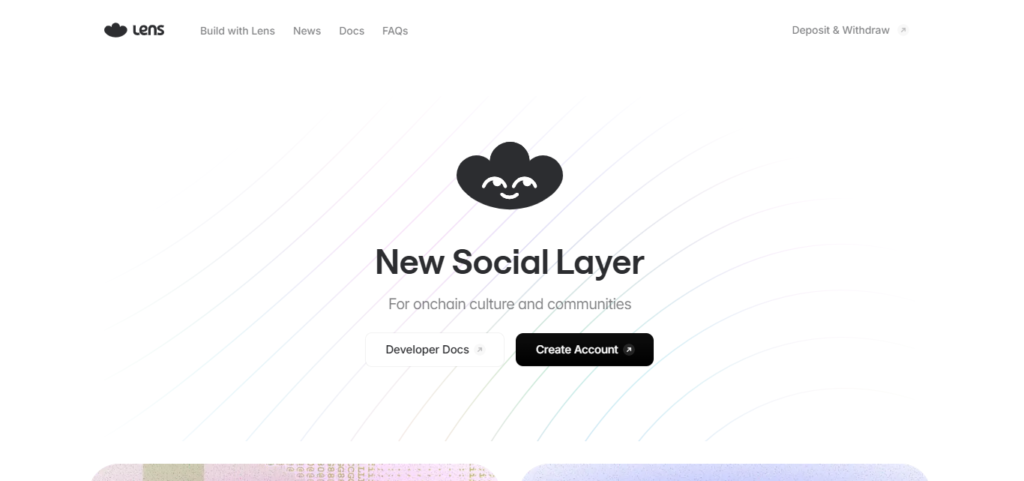
Web3 Compatibility: Lens supports apps based on decentralized identities and user connections by offering blockchain-based social infrastructure and non-custodial social graph capabilities. Supported Use Cases Social feeds, creator updates
follower activity, community involvement, content interactions, and decentralized social notifications are some of its possible uses. Target Users: Web3 developers, social media platforms, creators, community managers, and decentralized application builders can all benefit from Lens Protocol.
Protocol for Lenses Use Case
- Social Activity Notifications: Let users know about articles, comments, followers, and interactions between compatible apps.
- Creator Updates: Assist creators in informing their communities about announcements, new content, and publishing activities.
- Community Engagement: Encourage social interactions and communication at the application level to support decentralized communities.
- Social Application Development: Using decentralized social graph infrastructure, developers can create experiences that allow notifications.
Lens Protocol Key Features
- Decentralized Social Graph: Makes it possible for apps to create social interactions based on relationships that users own.
- User-Owned Profiles: Allows for user-controlled profiles and mobile social identities.
- Social Engagement: Facilitates community involvement, publishing, following, and content interactions.
- Developer Integration: Offers the framework needed to create decentralized social apps and interaction elements.
9. OneSignal
OneSignal is a platform for consumer engagement and notifications that assists companies and developers in sending messages via email, in-app chat, mobile push, and online push. For managing communication campaigns, it offers audience segmentation options, automation tools, SDKs, and APIs.
OneSignal mainly offers conventional application notification infrastructure that Web3 projects can incorporate into their products, in contrast to blockchain-native protocols. Web3 Compatibility: Although wallet-native notification capability needs further development, it can support Web3 websites, mobile applications, and dApps through appropriate online and mobile integrations.
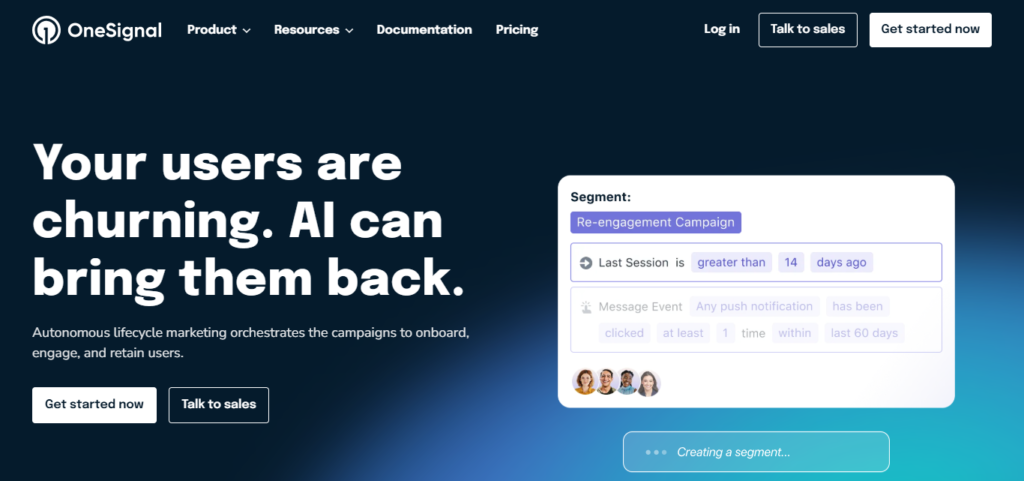
Applications such as DeFi platform updates, product announcements, user onboarding, promotional messaging, transactional alerts, and community involvement are among the supported use cases. Target Users: Web3 startups, developers, marketing teams, SaaS companies, and application owners looking for multichannel notification delivery can all benefit from OneSignal.
OneSignal Use Case
- DeFi Application Notifications: Notify users of platform announcements, account activity, transactions, and trade updates.
- User Onboarding: Send new application users welcome messages, registration updates, and informational alerts.
- Marketing Campaigns: Use a variety of communication platforms to disseminate engagement campaigns, product launches, and promotional offers.
- Mobile and Web Alerts: Inform consumers of significant service announcements, account activity, and application upgrades.
OneSignal Key Features
- Multichannel Notifications: In-app messaging, email, mobile push, and online push are all supported.
- Automated Messaging: This feature lets companies plan and automate alert campaigns.
- Audience segmentation: Assists developers in focusing on particular consumers according to their interests and actions.
- API Integration: Offers SDKs and APIs to link websites and applications with notification services.
10. Pushover
Pushover is a push notification service that lets developers send messages straight to desktop and mobile devices via servers, apps, and scripts. It offers a simple REST API that enables developers to use common HTTP queries to send notifications. It is helpful for applications that need dependable notice delivery without creating a whole messaging infrastructure because of its straightforward integration.
Web3 Compatibility: Web3 applications can connect to Pushover via backend services and custom API connections, but it does not offer native blockchain or wallet-based connectors. Applications such as transaction monitoring, server alerts
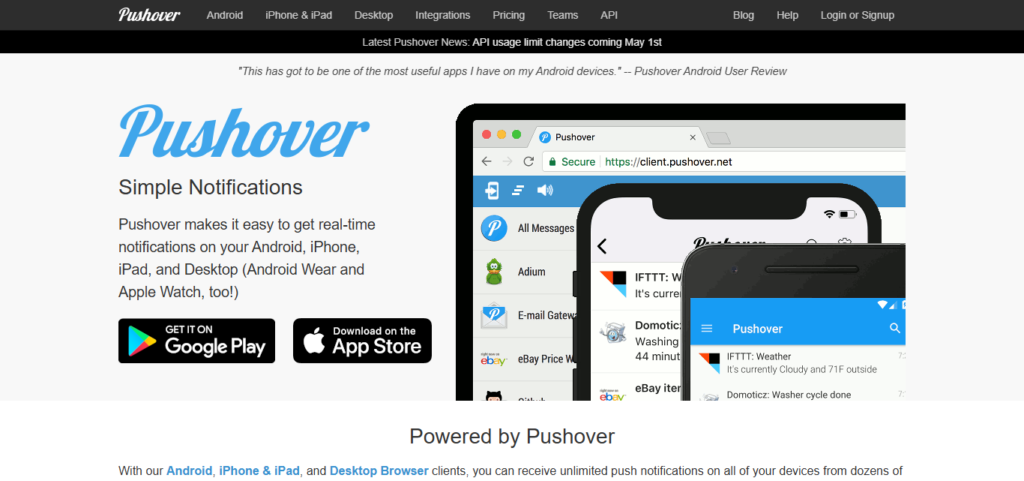
DeFi activity updates, security alarms, and system monitoring are among the supported use cases. Target Users: Developers, blockchain startups, technical teams, cryptocurrency traders, and application operators needing simple push notification delivery can all benefit from Pushover.
Pushover
- Blockchain Transaction Monitoring: When linked monitoring systems identify significant wallet transactions, send out alerts.
- Server Monitoring: Inform developers of technical faults, infrastructure problems, server failures, and outages.
- Trading Notifications: Send out automated alerts regarding trading indications, market fluctuations, and cryptocurrency prices.
- Security Alerts: Notify application operators of critical security events, system alerts, and suspicious activity.
Pushover Key Features
- Easy API Integration: Enables developers to use simple HTTP API queries to send notifications.
- Cross-Platform Delivery: Enables push notifications on desktop and mobile devices that are compatible.
- Instant Alerts: Provides information about server activity, system upgrades, and application events.
- Custom Notification Settings: Offers choices for delivery preferences, priorities, and notification sounds.
Conclusion
In conclusion, the requirements of your project, blockchain compatibility, and communication demands all play a role in selecting the best push protocol alternatives for Web3 notifications. Different notification and messaging features are provided by platforms such as Notifi, Dialect, XMTP, and Dmail.
Pushover and OneSignal, meanwhile, offer adaptable integrations. To choose the best option for your Web3 application, consider their features, security, scalability, and cost.
FAQ
Notifi and Dialect are strong alternatives for Web3-native notifications, offering blockchain alerts and developer integration.
Yes, Notifi provides customizable notifications for blockchain events, wallet activities, DeFi updates, and NFT transactions.
Notifi focuses on cross-chain notifications, while Dialect emphasizes Web3 alerts and communication infrastructure, particularly within Solana.
XMTP primarily supports encrypted decentralized messaging, which developers can use for application notifications and communication.