


This article will cover the Top Web3 Marketing Strategies for Brands, detailing how companies can use blockchain technology, NFTs, DAOs, and other decentralized resources to strengthen their communication with their targeted demographics.
These new strategies, including community building, token incentives, gamification, and co-creation, help brands to engage their user base, build trust, and sustain growth in the ever-changing digital environment.
Key Points & Top Web3 Marketing Strategies For Brands
| Strategy | Key Point |
|---|---|
| Community Building | Foster strong, engaged online communities through Discord, Telegram, and DAOs. |
| Token Incentives | Use utility tokens, NFTs, or reward systems to encourage participation and loyalty. |
| Influencer Collaborations | Partner with Web3-native creators and thought leaders to build credibility. |
| Gamification | Integrate play-to-earn mechanics, challenges, or quests to boost engagement. |
| Transparency & Trust | Leverage blockchain’s openness to show authenticity and build consumer trust. |
| Experiential Marketing | Create immersive metaverse experiences, events, or branded virtual spaces. |
| NFT Campaigns | Launch branded NFTs for exclusivity, collectibles, or membership perks. |
| Cross-Platform Presence | Maintain visibility across Web3 platforms (Metaverse, decentralized apps, social). |
| Education & Content | Provide guides, explainers, and thought leadership to onboard new users. |
| Co-Creation | Involve communities in product development and decision-making via DAOs or voting. |
10 Top Web3 Marketing Strategies For Brands
1. Community Building
In Web3, communities form the foundation for brand success. Web3 marketing is different from conventional marketing and focuses on engagement instead of passive audiences.
Alternative engagement approaches offered by Web3 include Discord, Telegram, and DAOs, which create climates of belonging and ownership.

Communities that are encouraged to speak, participate in AMAs, and get rewarded for their participation transform brands by creating evangelistic advocates.
Strong communities also engage users, and inform future campaigns and products by providing critical feedback. Lasting, emotional engagement is built by Web3 strategies that convert customers into partners.
Community Building Features
- Builds interactive communities on Discord, Telegram, and DAOs.
- Utilizes peer-to-peer engagement and brand advocacy.
- Provides real-time insights for improved product development.
- Generates loyalty for the DAO brand via ownership.
| Pros | Cons |
|---|---|
| Builds strong loyalty and advocacy | Requires constant engagement and moderation |
| Encourages organic growth through word-of-mouth | Risk of negative sentiment spreading quickly |
| Provides valuable feedback for product development | Time-intensive and resource-heavy |
2. Token Incentives
Engagement and loyalty in Web3 ecosystems can be encouraged through token incentives. Along with NFTs, utility tokens can be issued by brands for exclusive discounts or perks.
Ownership and value can be created through digital assets, encouraging participants to be active in campaigns.
Tokens can be collected through content creation, referrals, and attendance in events and redeemed for rewards.
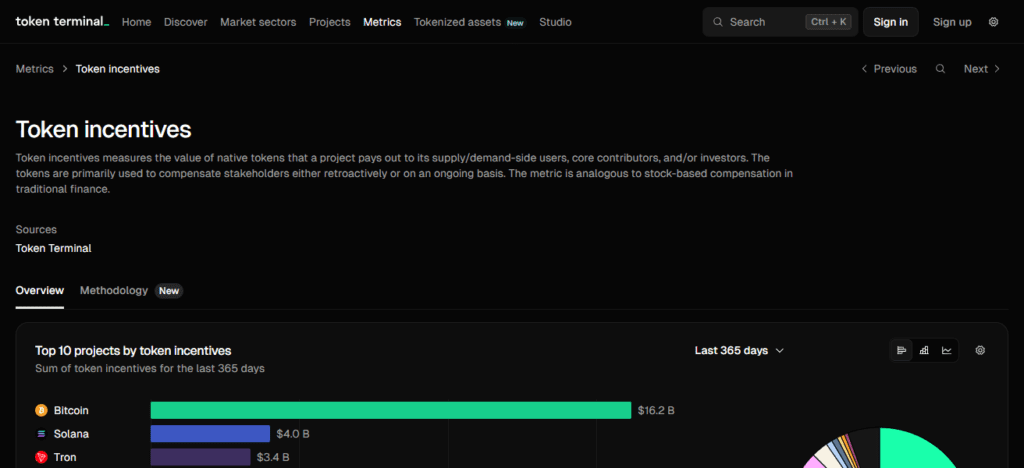
A loyalty system that is gamified in this way nurtures repeated activity and creates an economically viable system around the brand.
With the right alignment, incentives can be focused on the growth of the community while driving engagement and long-term retention.
Token Incentives Features
- Users collect utility tokens or NFTs as rewards.
- Participation in campaigns and events is incentivized.
- Loyalty is gamified with perks that can be redeemed.
- A brand self-sustaining economy is created.
| Pros | Cons |
|---|---|
| Motivates participation and loyalty | Token value can fluctuate, reducing trust |
| Creates a self-sustaining brand economy | Regulatory challenges around token issuance |
| Adds gamified rewards for engagement | Risk of attracting users only for rewards, not brand |
3. Influencer Collaborations
Web3 influencer marketing is more advanced than just marketing on social networks. Partnering with creators, thought leaders, and influencers native to Web3 allows brands to establish a reputation in decentralized ecosystems.
These influencers typically have specialized and very engaged audiences who value their opinions on blockchain, NFTs, and cryptocurrencies.
Collaborating with these creators on community projects, brand activations, or NFT launches allows brands to access real engagement.
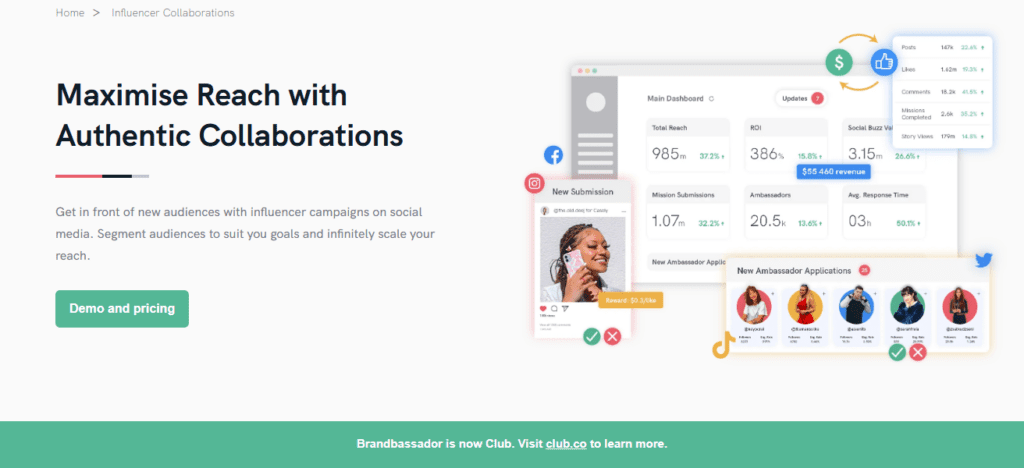
In contrast to traditional influencers, Web3 creators focus on transparency and aligned value propositions, making partnerships more authentic.
This approach establishes trust, encourages utilization, and demonstrates the brand’s real value in the ecosystem.
Influencer Collaborations Features
- Web3-native influencers for the specific niche are leveraged.
- Credibility is established via spokespeople in blockchain.
- Community advocacy is gained for the marketing activity.
- Advocacy campaigns increase product and service adoption.
| Pros | Cons |
|---|---|
| Builds credibility with niche audiences | Dependence on influencer reputation |
| Expands reach into authentic communities | High costs for top influencers |
| Accelerates adoption of new products | Risk of mismatched values between influencer and brand |
4. Gamification
Marketing can be made more immersive by gamification, which means adding game mechanics to customer interactions.
Making customer engagement feel more enjoyable as they could win something by completing a game or a challenge.
Completing activities might be rewarded with NFTs or in-game tokens, which would be fun as they would allow users to participate in a competitive ecosystem, and a leaderboard.

This can create a more meaningful connection with a brand as they are rewarded with these achievements.
Web3 is focused more on authentic digital ownership, which means campaigns that are gamified can lead to a lot of attention and new users to a brand.
Overall, Web3 Marketing gamification turns the brand marketing journey from a passive to an active experience for the customer.
Gamification Features
- Play-to-earn mechanics and challenges are included.
- Participation incentivized via repeat engagement.
- Engaging and memorable brand experience is created.
- Competition and challenges viral growth.
| Pros | Cons |
|---|---|
| Makes engagement fun and interactive | Can feel gimmicky if not well-designed |
| Encourages repeat participation | Development costs can be high |
| Creates memorable brand experiences | Risk of users focusing only on rewards, not brand values |
5. Transparency & Trust
The importance of trust in the Web3 ecosystem means that blockchain technology is the best source of trust for most brands.
By putting transaction history, rewards, and community votes on-chain, brands can prove that they are genuine.
Providing proof of on-chain transparency eliminates the concern of brands having undisclosed opportunistic agendas. Tokenomics and DAO voting transparency are credible examples of the proof of transparency ethos.

Crypto projects are often distrusted, and transparency is the best way to earn trust. In a trustless environment
Brands that focus on transparency and honesty create a strong competitive advantage and earn trust that can be relied on for the long term.
Transparency & Trust Features
- Transactional and decision-making record on the blockchain.
- Token and voting equity victimization is demonstrated.
- Trustworthiness is established via transparency.
- Long-term trust is established.
| Pros | Cons |
|---|---|
| Builds credibility through blockchain openness | Technical complexity may confuse users |
| Differentiates brand in crowded markets | Mistakes are permanently visible on-chain |
| Strengthens long-term trust | Requires consistent honesty and accountability |
6. Experiential Marketing
Web3 experiential marketing utilizes the metaverse and other immersive tech to deliver captivating brand experiences.
Rather than using standard forms of advertising, brands can put on virtual events, interactive exhibits, or branded environments for users to discover and interact.
For instance, a cookhouse can perform a virtual runway, or a record company can organize concerts in the metaverse.

These experiences enable users to engage with offerings distinctively and emotionally. By merging entertainment, community, and digital ownership
experiential marketing buzzs and propels the brand to the forefront of innovation. It’s about transforming marketing from a statement to a journey.
Experiential Marketing Features
- Events in the metaverse are immersive and branded.
- Users can virtually engage with products.
- Enhances emotional engagement using conceptual personalization.
- Places brand thinking ahead as innovative.
| Pros | Cons |
|---|---|
| Creates immersive, memorable experiences | High cost of metaverse and VR development |
| Strengthens emotional connection with users | Limited audience adoption of metaverse platforms |
| Positions brand as innovative | Risk of novelty wearing off quickly |
7. NFT Campaigns
Brands can utilize NFTs to engage their audience through creative means. Consumers gain exclusive digital ownership through NFTs.
Campaigns can include NFTs with real-world benefits like digital art, NFTs of memberships, and NFTs of collectibles. For example, NFTs of a brand may allow access to exclusive content, discounts, or VIP events.

This marketing strategy intertwines marketing and digital collectibles, creating a participatory experience for consumers.
By advertising their NFTs, brands also create a secondary market for consumers to sell and trade NFTs, which will further increase brand awareness and visibility.
Brands can strengthen their presence in the Web3 space, reward consumer loyalty, and create a buzz around their products.
NFT Campaigns Features
- Digital collectibles and memberships.
- NFT ownership provides real-world benefits.
- Hype created by limited-edition drops.
- Secondary market trading increases visibility.
| Pros | Cons |
|---|---|
| Offers exclusivity and digital ownership | Market volatility can reduce NFT value |
| Builds hype and community excitement | Risk of being seen as a cash grab |
| Enables secondary market visibility | Requires strong creative execution to succeed |
8. Cross-Platform Presence
Web3 marketing needs exposure across many decentralized platforms. Brands need to penetrate metaverse worlds, decentralized apps (dApps), NFT marketplaces, and social platforms like Twitter and Discord.
This way, they capture audiences who cross different ecosystems interacting at multiple different points.

From a cross-channel contact marketing perspective, each platform builds recognition of the brand and reinforces brand consistency, recognizable at every point of engagement.
For example, a brand can launch NFTs on OpenSea, run events in Decentraland, and have discussions on Discord.
With a contact marketing approach at different points, brands increase their adaptability and exposure to the dispersed Web3 ecosystem, while establishing resilience and community enlargements.
Cross-Platform Presence Features
- Brand visibility via dApps, metaverse, and marketplaces.
- Consistency across decentralized ecosystem.
- Touchpoints are fragmented to reach different audiences.
- Adapting to various ecosystems builds resilience.
| Pros | Cons |
|---|---|
| Expands reach across diverse ecosystems | Managing multiple platforms is resource-heavy |
| Reinforces brand consistency | Fragmented audience engagement |
| Builds resilience in decentralized space | Risk of diluted focus if spread too thin |
9. Education & Content
Most users are new to Web3, so educating them becomes an essential component of any marketing campaign.
To clarify concepts such as blockchain, NFTs, and decentralized networks, brands can make guides, tutorials, blogs, and explainer videos.
Through educating the market, brands build trust, and establish leadership. Providing this type of content also simplifies the process of interacting with the campaign and removes some obstacles.

For example, guides for brands on “How to Claim Your NFT” and webinars on different aspects of crypto are tactical of this type.
This type of market approach smartly informs the user and on the process solves some important psychological barriers while increasing user engagement and brand loyalty.
Education & Content Features
- Guides, tutorials and explainer videos.
- Brand as a Web3 leader.
- Blockchain barriers lowered for new users.
- Knowledge builds trust and credibility.
| Pros | Cons |
|---|---|
| Reduces barriers to entry for new users | Requires ongoing effort to stay updated |
| Positions brand as a thought leader | Content may be ignored if too technical |
| Builds trust and credibility | High competition for attention in educational space |
10. Co-Creation
Using tools like DAOs, voting, and collaboration, co-creation gives communities power to shape brand campaigns.
Campaigns that use co-creation ask users to be part of the design, strategy, and execution. This drives brand loyalty, as users feel a stake in the brand’s path.
For example, a DAO vote on features of a product or an NFT design means that the campaigns are aligned with the community’s preferences.

The co-creation model closed the trust and engagement gap by collaborating with the community instead of the brand’s employees.
In the end, this approach turns customers into partners, especially in the Web3 ecosystem, where the brand’s growth is directly correlated with the community’s growth.
Co-Creation Features
- Communities empowered by voting and idea submission.
- Collaborative product development is encouraged.
- Shared ownership strengthens loyalty.
- Community input sparks innovation.
| Pros | Cons |
|---|---|
| Empowers community ownership | Decision-making can become slow and complex |
| Sparks innovation through diverse input | Risk of conflicting community interests |
| Strengthens loyalty and trust | Requires strong governance to avoid chaos |
Conclsuion
Conclusion Web3 marketing helps businesses create new community-focused marketing strategies, connecting and rewarding customers through tokens and featuring brand experiences in the metaverse.
With transparency and education, brands shift potential customers to the side of the business. Additionally, using NFTs, gamification, and cross-platform presence
The brand side of the business can generate loyalty and trusts while transforming customers to active participants and growing the business sustainably. This positions the brand as a leader in the emerging digital decentralized net.
FAQ
Web3 marketing leverages blockchain, NFTs, DAOs, and decentralized platforms to build community-driven, transparent, and immersive brand experiences.
Communities drive engagement, loyalty, and advocacy, turning customers into active collaborators instead of passive consumers.
Tokens reward participation, create loyalty programs, and establish a self-sustaining economy around the brand.
Web3-native influencers bring credibility, authentic reach, and help brands connect with niche blockchain audiences.