


This article analyses Cross-Border Payments Using Stablecoins, which is a rapidly developing innovation that is changing global finance. The SWIFT system is traditional, slow, and costly.
In contrast, stablecoins offer greater speed, transparency, and lower costs. By focusing on important participants, obstacles, and future opportunities
It shows how stablecoins are changing the international movement of money and who is driving this change.
What Are Stablecoins?
Stablecoins are a type of digital currency issued on a blockchain, and are designed to keep a stable value by being linked to and backed by a traditional fiat currency (e.g. U.S. currency, Euro, etc.).
Unlike traditional cryptocurrencies, stablecoins are designed to be used for daily transactions and therefore require a stable value. Stablecoins help to avoid the problems associated with price volatility
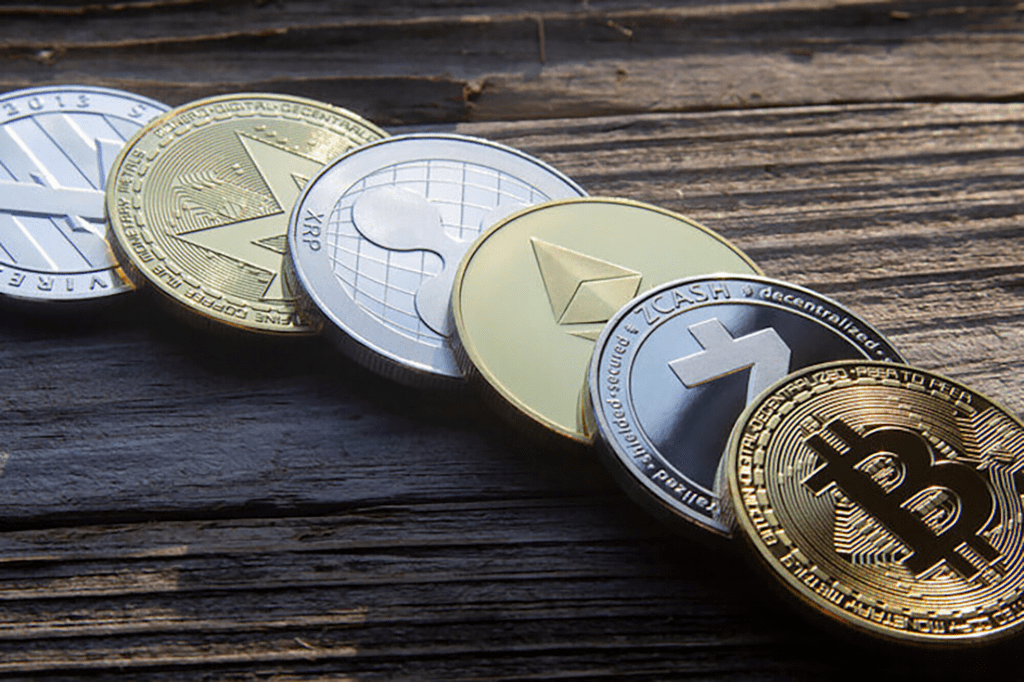
While also providing the blockchain benefits of faster, cheaper, and safer international payment transactions. With these benefits, stablecoins are optimal for remittance, trade, and international payment transactions.
Why Are Stablecoins used for cross-border Payments?
Compared to traditional systems like SWIFT, stablecoins provide faster, cheaper, and more transparent cross-border payment alternatives.
While transactions on SWIFT and similar systems can take days to process due to multiple intermediary banks, stablecoin transactions are instantaneous due to blockchain technology.
Transactions in stablecoin systems are processed within minutes as opposed to days, and the costs are significantly lower when compared to traditional banking networks.
The transparency of blockchain records makes stablecoins the future of cross-border payments.
The Case for Stablecoins

Short 1: Breaking the Bottleneck
The current system for making payments across borders is slow, costly, and risky. Payments made via SWIFT can take multiple days to complete and come with a fee between 2 and 7 percent of the total transaction value. This can make making these payments too costly for small businesses and migrant workers.
Short 2: Speed and Efficiency
With stablecoins, payments can be made in a matter of minutes (as opposed to days). This is because stablecoins settle payments using blockchain technology, which means multiple intermediaries are eliminated and payments can be made in real time.
Short 3: Lower Costs
The costs associated with using stablecoins is way lower compared to the costs associated with using traditional banks.
Short 4: Transparency and Trust
People can track transaction histories and find proof of the transactions. This means people can find the reason why they were charged and businesses can find the reasons why they were paid.
Short 5: Stability in Volatile Markets
Currencies like Bitcoin and Ether are pretty useless when it comes to everyday transactions and international commerce, however, stablecoins are pegged to the USD and the EUR, which makes them much more stable.
Short 6: Increasing Banking Access
Because of the global nature of the cryptocurrency payment system, it is also available to people in developing countries where there may not yet be available banking services. All that is needed is a smartphone with an internet connection.
Short 7: Expanding Use Cases
The usage of stablecoins as a payment method has gained traction, especially as the total stablecoin payment transaction value in 2025 climbed to more than $390 billion, an increase of 100% compared to the prior year.
Short 8: Emergence of Serious Use Cases
The experimentation with stablecoins is over as major banks, payment networks, and fintech companies are now beginning to use them.
Short 9: Innovative Payments
The versatility of stablecoins can be seen as a boundary-defying payment solution. Being able to combine the advantages of fiat currency and decentralized technology, stablecoins can be the solution to many payment problems on a global scale.
Are Stablecoin Payments Secure?
The blockchain manages an incorruptible record of transactions that can be validated at any time. The openness of the blockchain can help foster trust and reduce hidden costs associated with cross-border payments.
Although the blockchain does lend itself to the issue of trust, it does not solve the issues that come with risk.

The threat of cyber-attacks on exchange and wallet systems leave stablecoin systems and the transactions that occur without the ability to provide risk fully protected.
Even the mismanagement of reserves, where the issuer does not properly back the token with an equivalent amount of fiat or other assets, can erode trust and confidence. For transparency to foster trust, protective measures must also be present with it.
Future Outlook Cross-Border Payments With Stablecoins
Stablecoins offer a new method of sending payments internationally. Along with speed and efficiency, they have improved transparency relative to the traditional payments.
However, the success of stablecoins, will not only depend on technology, but on the means of cross-jurisdictional and regulatory collaboration, reserves transparency, and institutional and user trust.

Balancing compliance and regulatory trust, along with innovation, will allow stablecoins to transition from potential to proven and become the future of international payments.
Conclsuion
Stablecoins are changing the cross-border payments game by providing speed, transparency, and efficiency that traditional systems cannot offer.
As Visa, Mastercard, and other banks and fintechs step into the space, Circle and Tether are driving the potential of stablecoins.
However, sustainable adoption of stablecoins will require true leadership by resolving regulatory differences, maintaining the integrity of reserves, and cultivating trust globally.
FAQ
Circle’s USDC emphasizes compliance, transparency, and partnerships with regulated institutions.
They cut remittance costs, often reducing fees from 5–7% to under 1%.
Regional fintechs focus on niche corridors, offering cheaper transfers for SMEs and freelancers.
Many are piloting solutions, but full-scale deployment remains cautious and slow.