

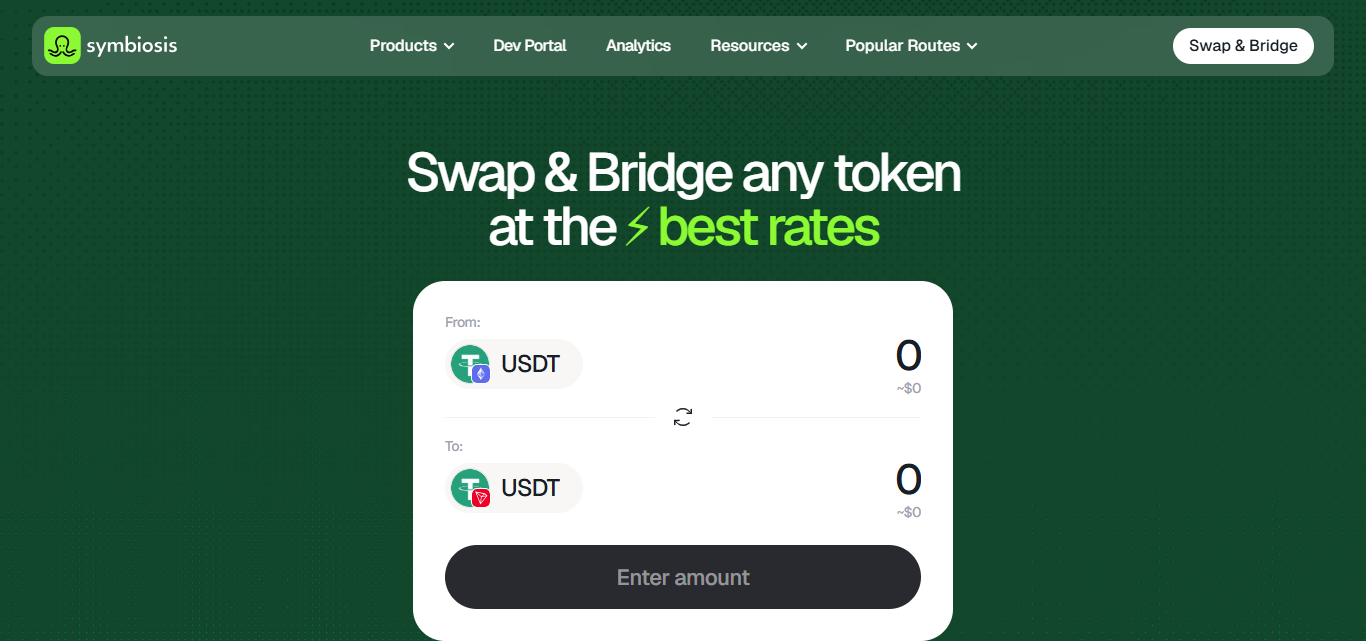
In this article, I will review the Top Symbiosis Alternatives for Cross-Chain DEXs, which are platforms that make it easy to swap cryptocurrencies across different blockchain networks.
We will compare popular alternatives based on supported blockchains, cross-chain swapping capabilities, fees and pricing, supported tokens, security, and transaction speed to help you understand their key features, advantages and limitations before choosing a suitable platform.
Key Points & Top Symbiosis Alternatives for Cross-Chain DEXs
| Platform | Explanation |
|---|---|
| Rubic | Enables seamless cross-chain swaps across numerous blockchains through aggregated decentralized exchange liquidity. |
| THORSwap | Facilitates native asset swaps across multiple blockchains without requiring wrapped tokens. |
| SushiSwap | Offers decentralized token trading, liquidity pools, and cross-chain swapping capabilities. |
| deBridge | Provides secure cross-chain asset transfers and decentralized interoperability infrastructure for applications. |
| Synapse | Connects blockchain ecosystems through cross-chain bridges, token swaps, and liquidity infrastructure. |
| Jumper Exchange | Aggregates cross-chain bridges and decentralized exchanges to simplify multichain token swaps. |
| Odos | Optimizes decentralized token swaps by aggregating liquidity sources for competitive execution prices. |
| PancakeSwap | Supports decentralized trading, liquidity provision, and multichain token swaps across supported networks. |
| Stargate Finance | Enables cross-chain asset transfers using unified liquidity pools across supported blockchain networks. |
| ChangeNOW | Provides convenient cryptocurrency exchanges across numerous networks without requiring traditional exchange accounts. |
10 Top Symbiosis Alternatives for Cross-Chain DEXs
1. Rubic
Rubic is a cross-chain swap aggregator that connects users with decentralized exchanges, bridges and routing protocols. Supported Blockchains Top Symbiosis Alternatives for Cross-Chain DEXs Over 70 supported blockchains across EVM, non-EVM, and Layer-2 networks with network availability depending on the route. Cross-Chain Swapping: Users can swap tokens across supported networks via aggregated providers and automated routing.
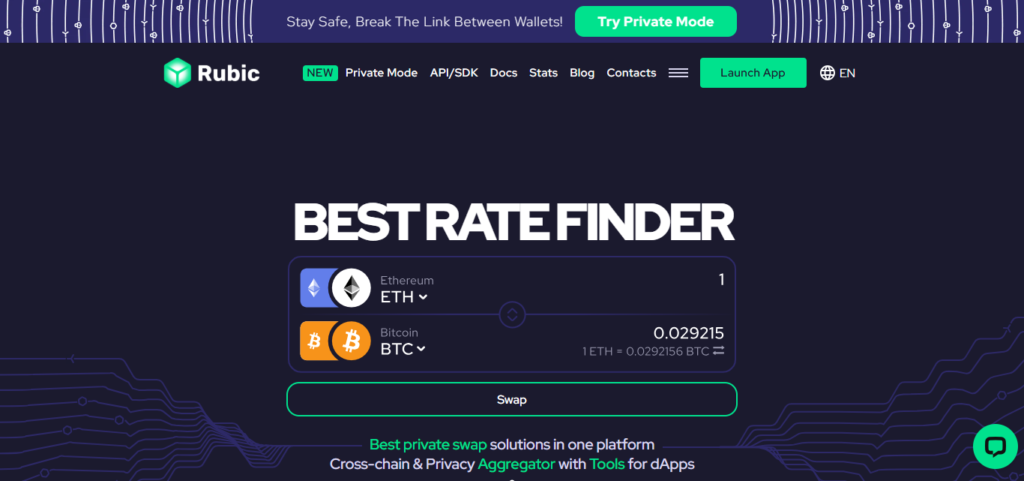
Fees and Pricing Fees vary depending on the type of transaction and Rubic advertizes zero protocol fees on eligible swaps under $100. Supported Tokens: Documentation says that there are thousands of assets and a big amount of trading pairs.
Security Transactions are made with provider contracts, and monitoring allows to find problematic services. Speed & Transaction Time Top Symbiosis Alternatives for Cross-Chain DEXs Depends on the provider you choose, as well as blockchain confirmation times, liquidity and congestion.
Rubic Pros & Cons
| Pros | Cons |
|---|---|
| Aggregates many bridges and DEXs for the best route | Platform fee on top of bridge and gas costs |
| 70+ networks, including Bitcoin, Solana, and TON | Security depends on the bridge route chosen |
| Large token selection, including long-tail assets | Complex routes can occasionally fail or get delayed |
| Non-custodial, no account needed | Speed varies from 1 to 10+ minutes |
2. THORSwap
Supported Blockchains THORSwap is the primary interface for THORChain and supports Bitcoin, Ethereum, BNB Chain, Avalanche, Cosmos, Dogecoin, Litecoin, and more networks. Cross-Chain Swapping: Directly swap native assets like BTC to ETH. No wrapped tokens or bridges.
Fees & Pricing Costs are composed of a small swap fee (usually ~0.2-0.3%), THORChain network fees and slippage based on pool depth. Supported Tokens: Rather than a very long tail, it supports major assets and chain-native tokens.
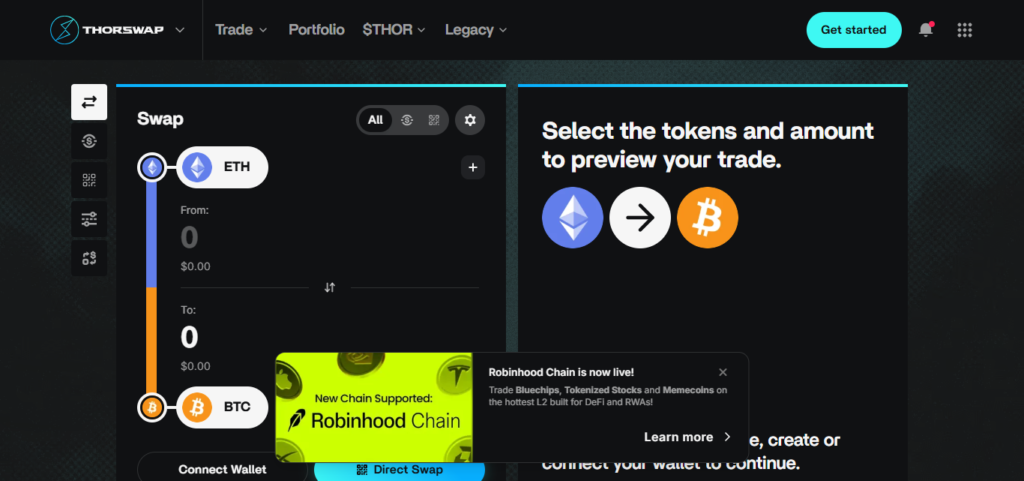
Security: It is non-custodial and uses the decentralized validator network of THORChain, but the protocol has had exploits in the past. Speed: Swaps take a few minutes, much longer on slow chains like Bitcoin.
THORSwap Pros & Cons
| Pros | Cons |
|---|---|
| Swaps native assets (BTC, ETH, etc.) with no wrapped tokens | Fees and slippage can be high on low-liquidity pools |
| Non-custodial and decentralized | THORChain has a history of exploits |
| Supports Bitcoin, Dogecoin, Litecoin, and Cosmos | Smaller token range than aggregators |
| No KYC | Slow on chains like Bitcoin |
3. SushiSwap
Supported Blockchains: SushiSwap is available on more than 30 EVM-compatible chains, including Ethereum, Arbitrum, Polygon, Optimism, Base and Avalanche. Cross-Chain Swapping Its cross-chain ability, powered by Stargate’s messaging, allows users to swap tokens across supported chains in a single transaction.
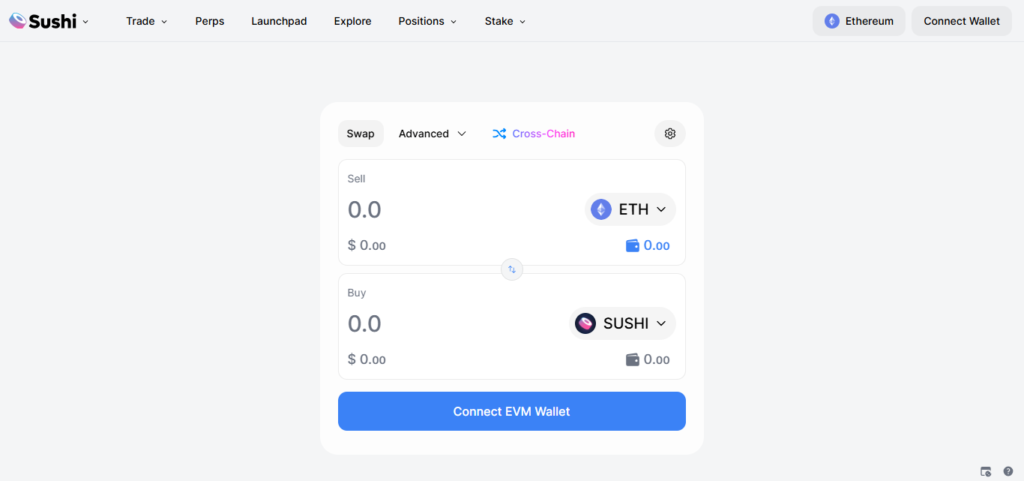
Fees and Pricing: Standard pool swaps will cost you around 0.3% split between liquidity providers and the protocol, plus gas and bridge costs. Supported Tokens : Thousands of ERC-20 tokens with permissionless listings. Security: Audited and non-custodial contracts. Note: There was an incident in 2021, so users should verify contracts and approvals. Speed: Same-chain swaps are seconds, cross-chain swaps are minutes.
SushiSwap Pros & Cons
| Pros | Cons |
|---|---|
| 30+ EVM chains and thousands of tokens | Cross-chain is limited to EVM networks |
| Established brand with audited contracts | Standard 0.3% fee plus bridge and gas costs |
| Cross-chain swap in a single transaction | Past security incident (2021) |
| Non-custodial, permissionless listings | Fake tokens can appear, so users must check contracts |
4. deBridge
Supported Blockchains deBridge connects ~20+ networks including Ethereum, Solana, BNB Chain, Arbitrum, Base, Polygon. Cross-Chain Swapping: deSwap and DLN (deBridge Liquidity Network) work on an intent-based model with market makers fulfilling orders for rapid swaps without pooled liquidity.
Fees and Pricing: It has a small protocol fee (~0.04%) and fixed fee + destination gas fees. Supported Tokens: We support most major tokens and stablecoins on every connected chain. Security: Non-custodial, audited, secured by a validator network. Speed – One of the fastest on this list, transfers often complete in seconds to a couple of minutes.
deBridge Pros & Cons
| Pros | Cons |
|---|---|
| Very fast, intent-based transfers | Fewer chains than aggregators |
| Low protocol fee (about 0.04%) | Fixed fee adds cost on small transfers |
| Supports Solana and major EVM chains | Depends on market makers for liquidity |
| Non-custodial and audited | Smaller token list than some rivals |
5. Synapse
Supported Blockchains Synapse supports roughly 20 chains including Ethereum, Arbitrum, Optimism, Avalanche, BNB Chain, Polygon, and Base. Cross-chain swapping: Users can bridge and swap in a single flow through Synapse’s Intent Network and liquidity pools.
Fees & Pricing Fees consist of a bridge fee (varies per token and route), gas fees and slippage depending on pool liquidity. Supported Tokens: It focuses on major assets like ETH, USDC, USDT and its native token SYN. Security: Synapse is non-custodial, audited and validator-based verification. Speed: For the most part, transfers are done in a few minutes depending on the chains involved.
Synapse Pros & Cons
| Pros | Cons |
|---|---|
| Combines bridging and swapping | Fewer supported tokens, mainly majors |
| Established bridge protocol | Fees vary by route and token |
| Non-custodial and audited | Slippage possible on thinner pools |
| Intent-based routing improves flow | Bridges have been past hack targets across the industry |
6. Jumper Exchange
Supported Blockchains Jumper, powered by LI.FI, supports 30+ chains including Ethereum, Solana, Arbitrum, Base, Polygon and BNB Chain. Cross-Chain Swapping. It aggregates dozens of bridges and DEXs to find the fastest or cheapest path and executes it in one flow.
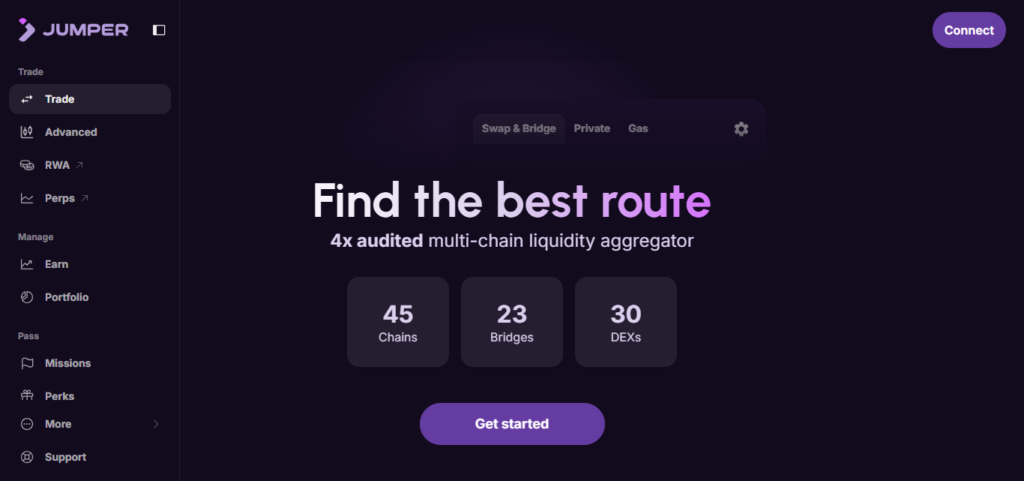
Fees and Pricing: Adds a small service fee (about 0.25% on many routes) on top of bridge, gas, and DEX costs and gives you a transparent quote before you confirm. Supported Tokens Thousands of tokens across all the connected chains. Security: It’s non-custodial and has audited bridge partners, so your safety is dependent on your chosen route. Speed: Most routes take 30 seconds to a few minutes to complete.
Jumper Exchange Pros & Cons
| Pros | Cons |
|---|---|
| Aggregates dozens of bridges and DEXs via LI.FI | Service fee (about 0.25%) on many routes |
| 30+ chains with transparent quotes | Safety varies by chosen bridge partner |
| Clean, beginner-friendly interface | Limited to supported chains and tokens |
| Fast routes (30 seconds to a few minutes) | Not a custodial or fiat service |
7. Odos
Odos is a decentralized exchange aggregator that searches for the most efficient token-swap routes across the available liquidity sources. Supported Blockchains: Its router is deployed on supported EVM-compatible networks and may not be available on all supported networks depending on the deployment. Cross-chain Swapping Odos is primarily a same-chain swap and liquidity aggregator, and not all routes support native cross-chain transfers.
Fees and Pricing: Trading costs consist of network gas, applicable pool fees, and price impact; routing may split trades across liquidity sources. Supported Tokens The supported tokens depend on the chosen chain, available liquidity pools and supported tokens.
Security Odos Router V3 has protections on token transfers and minimum-output conditions but smart contract and token risks remain. Speed & Transaction Time: In the case of same-chain swaps, a transaction needs to be submitted to and confirmed on the blockchain; actual times depend on network traffic and gas parameters.
Odos Pros & Cons
| Pros | Cons |
|---|---|
| Excellent same-chain routing across hundreds of sources | Not a true cross-chain swap tool |
| Often gets better prices through multi-token routing | Needs a separate bridge for chain-to-chain moves |
| Fast confirmation | EVM chains only |
| Audited and non-custodial | Positive slippage may be captured by the protocol |
8. PancakeSwap
Supported Blockchains PancakeSwap is strongest on BNB Chain and also supports Ethereum, Arbitrum, Base, Polygon zkEVM, zkSync Era, Linea and others. Cross-chain Swapping: It allows cross-chain bridging and swapping with partner integrations like Stargate.
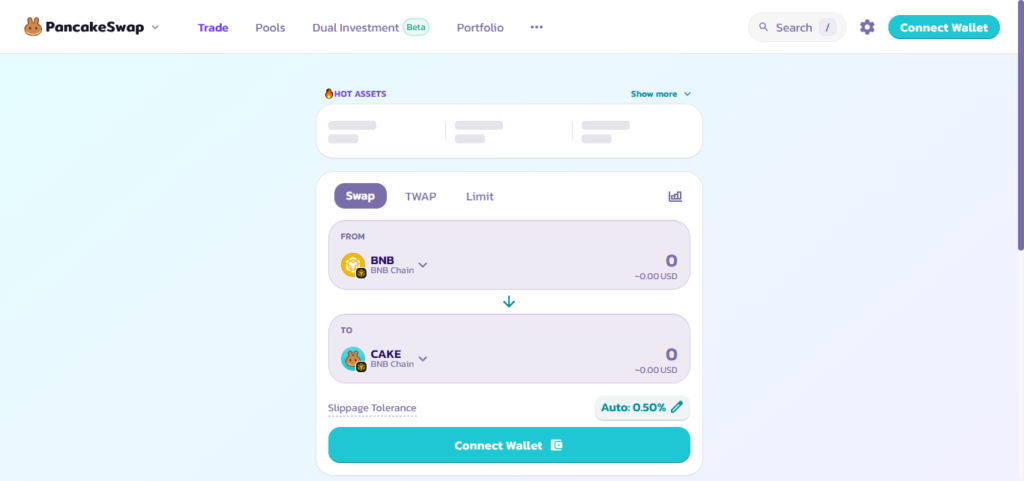
Fees and Pricing: V3 pools have fee tiers ranging from around 0.01% to 1% (0.25% is common on V2) plus gas and bridge fees. Supported Tokens: Thousands of tokens supported, especially on BNB Chain Security: It has audited contracts, timelocks, and a non-custodial model, but beware of fake tokens. Speed: BNB Chain swaps take seconds, cross-chain transfers take a few minutes.
PancakeSwap Pros & Cons
| Pros | Cons |
|---|---|
| Strong on BNB Chain with low gas costs | Cross-chain depends on partner bridges |
| Wide token selection and flexible fee tiers | Many fake or scam tokens on BNB Chain |
| Audited, with timelocks | Fewer non-EVM chains |
| Fast same-chain swaps | Fees vary from 0.01% to 1% by pool |
9. Stargate Finance
Supported Blockchains: Stargate is built on LayerZero and supports 50+ networks like Ethereum, Arbitrum, Optimism, Base, BNB Chain, Avalanche, Polygon. Cross-Chain Swapping It moves native assets in a unified liquidity pool with no need for wrapped tokens, and can be integrated with swaps.
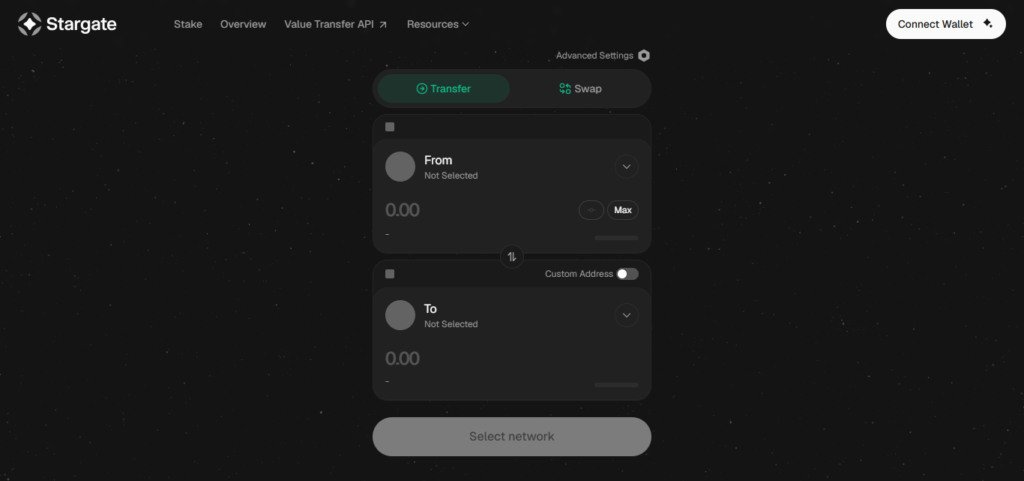
Fees & PricingStable transfers are usually on the order of 0.06% + LayerZero message and gas fees. Supported Tokens: It supports major assets like USDC, USDT, ETH and a few others, not a broad long tail. Security: Non-custodial, audited contracts, configurable verification by LayerZero. Speed: Transfers usually take between one and a few minutes.
Stargate Finance Pros & Cons
| Pros | Cons |
|---|---|
| Native asset transfers via unified liquidity | Limited token range, mostly majors |
| 50+ networks via LayerZero | Not a full swap aggregator on its own |
| Low fees (about 0.06% on stable transfers) | Depends on LayerZero’s security model |
| Fast, usually 1 to a few minutes | Liquidity can be thin on smaller chains |
10. ChangeNOW
Supported Blockchains: ChangeNOW supports 110+ blockchains, including Bitcoin, Ethereum, Solana, Tron, Monero and many others. Cross-Chain Swapping: Custodial instant swap where you send coins to a deposit address and receive another asset on a different chain.
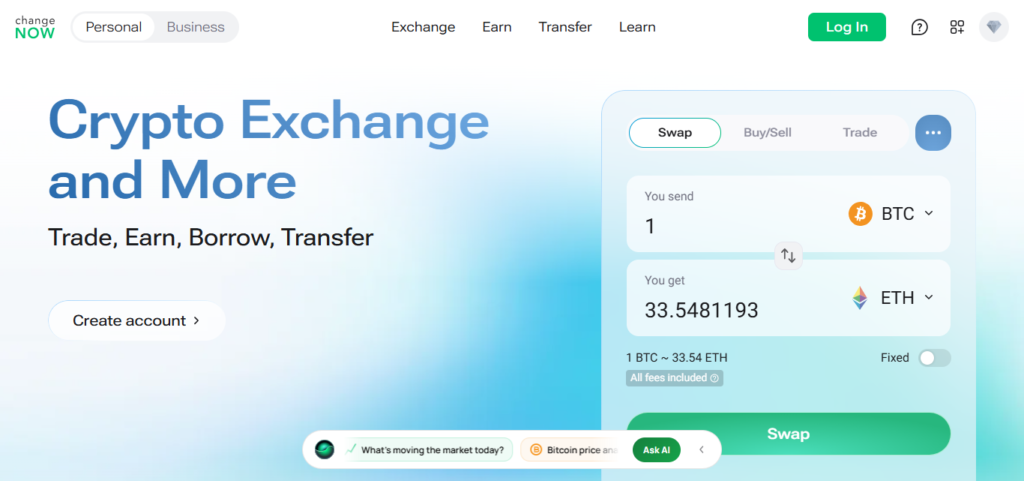
Fees and Pricing: The fee is included in the quoted rate (around 0.4-0.5%), with an option for a fixed rate to avoid slippage. Supported Tokens: It has 1,200+ cryptocurrencies, one of the largest selections on the market. Security: Basic swaps do not require an account, but the funds are held by the platform during the swap, so there is custodial risk. Speed: Most swaps take between 5 and 30 minutes.
ChangeNOW Pros & Cons
| Pros | Cons |
|---|---|
| 110+ blockchains and 1,200+ coins | Custodial, so funds are held during the swap |
| No account required for basic swaps | Higher fees (about 0.4-0.5%) |
| Simple interface, fixed-rate option | Slower, often 5-30 minutes |
| Supports Bitcoin, Monero, and rare coins | Not DeFi-native or wallet-connected |
Quick Comparison
| Platform | Best For | Main Drawback |
|---|---|---|
| Rubic | Wide chain and token coverage | Route-dependent risk |
| THORSwap | Native BTC swaps | Slippage and speed |
| SushiSwap | EVM DEX users | EVM-only |
| deBridge | Speed and low fees | Fewer chains |
| Synapse | Bridge plus swap | Limited tokens |
| Jumper Exchange | Best-route aggregation | Service fee |
| Odos | Same-chain pricing | Not cross-chain |
| PancakeSwap | BNB Chain trading | Scam tokens |
| Stargate Finance | Stablecoin and ETH transfers | Narrow token list |
| ChangeNOW | Rare coins, no wallet | Custodial |
Conclusion
To put it simply, the Top Symbiosis Alternatives for Cross-Chain DEXs provide a range of features that enable smooth exchange of cryptocurrencies across various blockchain networks.
Platforms like Rubic, THORSwap, deBridge and Jumper Exchange offer unique benefits in connectivity, liquidity and transaction efficiency. Compare the supported networks, fees, token availability, security and transaction speed and choose the platform that best fits your cross-chain trading needs.
FAQ
Popular alternatives include Rubic, THORSwap, SushiSwap, deBridge, Synapse, Jumper Exchange, and Stargate Finance.
Rubic and Jumper Exchange aggregate multiple cross-chain routes across supported blockchain networks.
THORSwap enables native cryptocurrency swaps through THORChain for supported assets.
Costs vary depending on network gas, liquidity, bridge fees, and transaction size.