

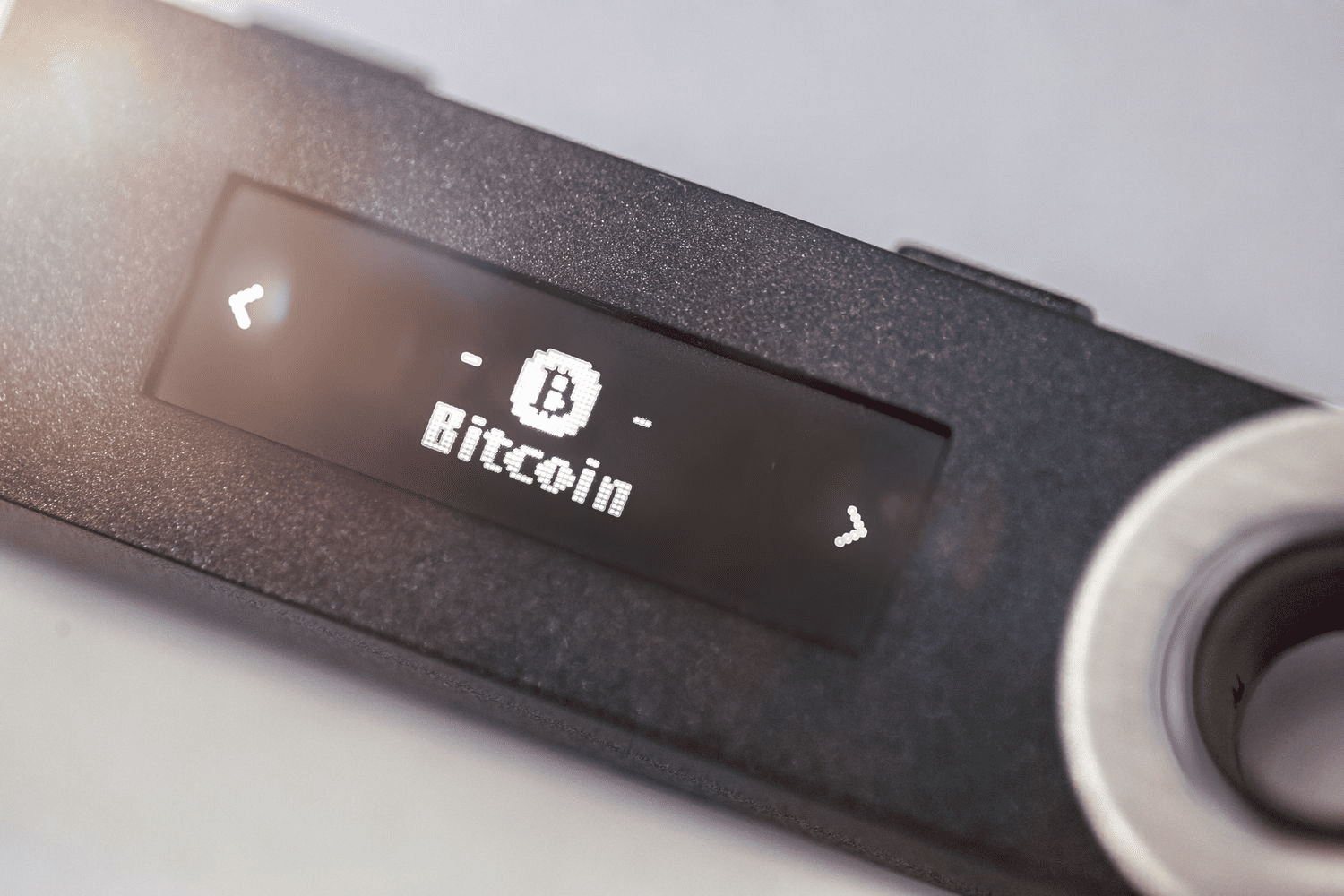
I’ll go over how to secure cryptocurrency without a hardware wallet in this post. This includes using reliable software wallets, safeguarding private keys, securing devices, and adhering to sensible security procedures.
Even without specialized hardware storage, you’ll discover doable strategies to lower hazards and safeguard your digital assets.
What is Hardware Wallet?
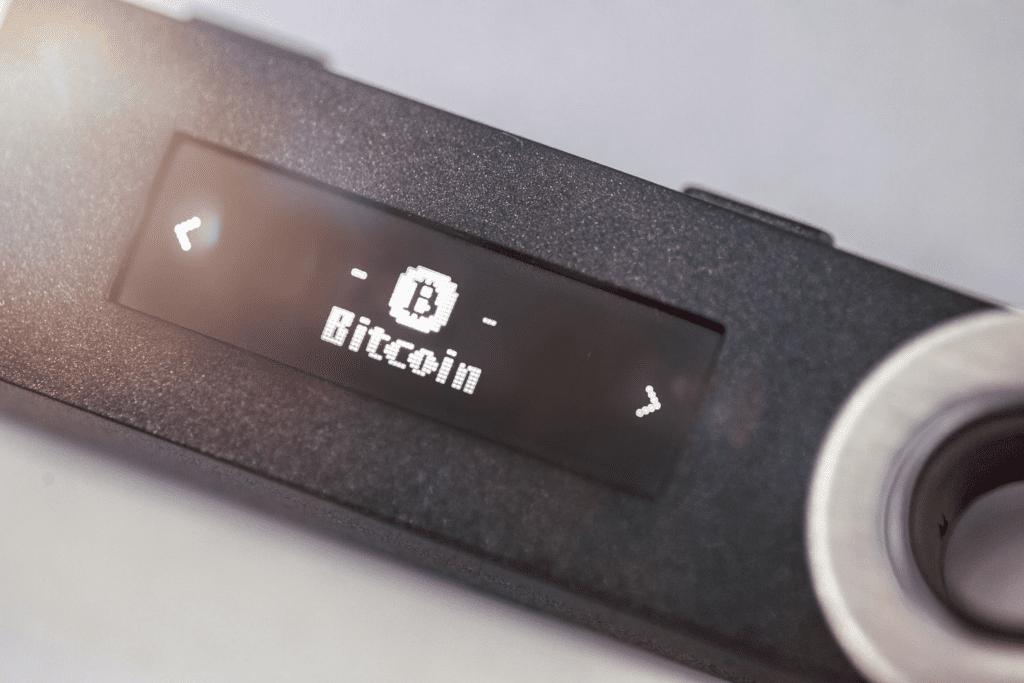
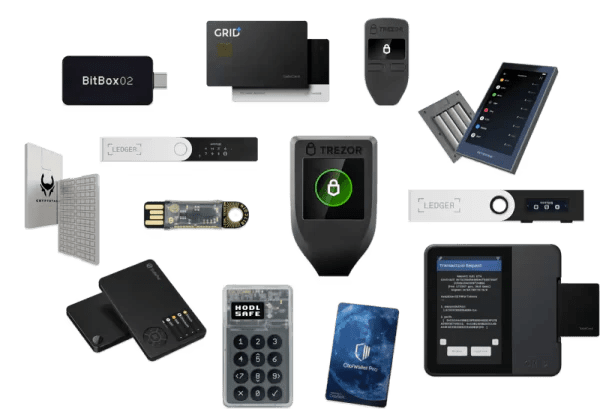
A hardware wallet is a tangible object made to safely store private bitcoin keys offline, shielding them from online risks, malware, and hackers.
To guarantee that private keys never leave the device, it only connects to a computer or mobile device during transaction signing. Because of their strong security, recovery phrase capabilities, and PIN protection, hardware wallets are frequently utilized for long-term cryptocurrency storage.
How to Secure Crypto Without a Hardware Wallet
Example Wallet: Trust Wallet (non-hardware method)
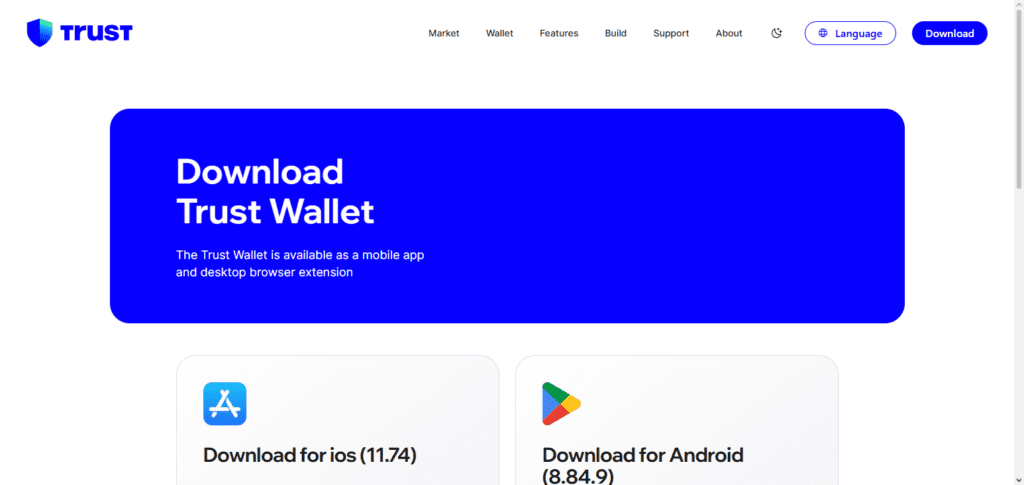
Step 1: Download From Official Source
Be sure to install it from the official site or verified app store so you don’t get a fake or malicious version of the app.
Step 2: Create a New Wallet
When the app opens, create a new wallet. You’ll obtain a recovery (seed) phrase, which you will need to access your crypto.
Step 3: Keep Recovery Phrase Safe
In case you need to restore the wallet, do not save the seed on your device because you will lose access to it.
Step 4: Create Strong Passwords with Biometrics
If the app offers a biometric option, use it. Passwords with a combination of letters, numbers, and unique symbols will be your best option.
Step 5: Use the Security Features
If the app offers an app lock, do it. If you’re uncertain about your safety, do it. Yes. If the app offers 2FA (Two-factor authentication), do it. Go ahead.
Step 6: Use Safe Wi-fi and Keep Device Safe
Be sure to your wallet will use a safe and verified Wi-Fi. Also, avoid any link with a crypto offer. A device with any fake app or a device that hasn’t been updated or checked with an antivirus will be unsafe.
Step 7: Avoid Open Wi-fi and Phishing Links
Your wallet will not use any Open Wi-Fi and you will not connect to any link with an offer.
Step 8: Develop a Backup Strategy
If your device gets lost, keep a second copy of your recovery phrase in a different secure location.
When You Should Consider a Hardware Wallet
You Have A Large Total Value In Crypto: A significant amount of value in crypto means greater need for a hardware wallet to protect your crypto from posible hacks by keeping it offline.
You Are A Long Term Investor: You will want a wallet that enables you to store your crypto without having to sell it again for a number of months or even years, then it will be optimal to attain such a wallet.
You Want A Higher Level of Security: Online wallets are targeted by phishing attacks and other fraudulent activities and therefore are more of a risk, but hardware wallets are a step ahead as the keys are kept offline.
You Split Your Crypto Holdings: You will be likely trading your crypto on a number of exchanges and using apps or even NFTs, then a hardware wallet is the best bet for you.
You Are Concerned About Your Device Getting Hacked: This is a device and systems infection means that thee is an underlying risk of system infection and the hardware wallet is a state of the art device to ease that concern.
You Prefer To Use Cold Storage: If you want tight controls to secure your investments and ensure daily access is not at the top of your priorities, then a hardware wallet is the ideal option.
You Have Experienced A Security Compromise Before: Having upgrades is one of the best ways to recover from such attacks with the constant prevalence of upgrade attacks.
Best Security Practices for Software Wallets
Use Strong, Unique Passwords
Make sure your password is long, and that you don’t use it anywhere else, this will help to minimize unauthorized entry.
Use Two-Factor Authentication (2FA)
If your wallet offers it, add extra protection through 2FA with an authenticator app.
Keep your Seed Phrase Secure and Offline
Seed phrases should be documented and stored offline, never in an online format, so put it somewhere good.
Only Download Wallets From Official Sources
If you want to avoid counterfeit apps, stick to legitimate app stores and the official website of the wallet.
Update Your Device Regularly
Regular updates for device and app software act as protection against the threats, exposure, and vulnerabilities.
Use Biometrics and App Lock
Use a pin, fingerprint, or facial ID to keep your wallet secure against unauthorized access.
Be Cautious of Phishing Links and Public Wi-Fi
Avoid the use of public Wi-Fi and don’t access your wallets over unsecure networks.
Ensure You Have an Antivirus and a Firewall
Malicious software, keyloggers, and spyware put your device in great danger, so ensure that you have protection.
Keep Regular Backups of Your Wallet
It is good practice to have several secure backups of your recovery phrases stored in different locations.
Always Test Small Transactions
Before larger transactions, be sure to send a smaller amount to avoid errors and to mitigate losses.
Protecting Private Keys and Seed Phrases
Always Store Keys Offline: Private keys and seed phrases should be stored only on paper or metal and should never be stored electronically.
Do Not Share Keys: You will never be contacted by a legitimate wallet, exchange, or support team asking for your keys.
Keep Several Secure Copies: In case your copies are lost or damaged, keep additional copies in separate secure locations.
Do Not Take Photos or ScreenshotsPhotos and screenshots can be hacked or be uploaded to the cloud without your consent.
Keep Copies SafeIf you can, keep physical backups safe, such as in waterproof and fireproof containers.
Do Not Store Things for Passports or Private Parts: Don’t store anything like “crypto keys” as a label on the boxes.
Do Not Get Phished: Scams are frequent. Check the accuracy of the website or email before you enter anything wallet-related.
Do Not Use Exposed Devices: To see if your seed phrase is valid, you can use secure devices only. Do not expose them.
Securing Devices Used for Crypto
Set a Device Password or PIN
Setting up a password for your device is a good way to prevent any unauthorized access.
Use Biometric Verification
An additional barrier of protection can be a fingerprint or facial recognition.
Make Sure Your Device is up to Date
Updates for your Operating System and security patches help mend any vulnerabilities.
Antivirus Software is a Must
Malware, spyware, and keyloggers along with countless other computer viruses can access your device.
Don’t Use Public Wi-Fi
If the use of a trusted VPN is not possible, the internet connection should be private.
Use the App Store to Download Crypto Apps
Your funds can be compromised by wallet apps which are fake or malicious.
Make Sure You Don’t Get Phished
If the pop up or link seems to be related to crypto in any way, don’t click it.
If you can, use a dedicated device for Crypto
Your regular device can be used for browsing. Crypto activities should be kept entirely separate.
Log Out of Sessions You Don’t Use
Be active in apps related to wallets and the closing of open active sessions.
Important Data Should Be Backed Up
Your recovery phrases and your other essential information should be backed up and backed up properly.
Common Mistakes to Avoid
Putting Seed Phrases in the Cloud
An email, note app, or other writing storage systems can lead to hacks.
Using Fakes Wallet Apps
Losing money can happen with these apps.
Phishing
A private key can be stolen through a scam.
Weak and Repeated Passwords
If your password is the same and easy, it just makes it easier to hack a wallet.
No Software Updates
If you don’t update your wallet and phone it can leave you insecure.
Public Wi-Fi
Do not use public Wi-Fi to make a cryptocurrency exchange. Public Wi-Fi is dangerous.
Many Cryptocurrency in One Wallet
Making a storage wallet for cryptocurrency can lead to an extreme and total loss.
Losing Seed Phrases
If you don’t write it down it will be impossible to get it back.
Not Checking Addresses Before Sending Cryptocurrency
Checking an address when sending cryptocurrency is very important. If it is wrong you will lose it and will not be able to get it back.
Conclusion
If the proper safeguards are taken, it is possible to secure cryptocurrency without a hardware wallet. Users can greatly lower risks by utilizing trusted software wallets, safeguarding private keys and seed phrases, maintaining device security, and avoiding frequent mistakes.
Strong security practices and prudent management can keep your cryptocurrency safe even though hardware wallets provide the maximum level of protection, especially for small to moderate amounts.
FAQ
Yes, it can be safe if you use reputable software wallets and follow strict security practices like offline seed storage and device protection.
Well-known wallets like Trust Wallet, MetaMask, Exodus, and Electrum are considered secure when used correctly and kept updated.
Small to moderate amounts are generally safer. For large holdings, a hardware wallet is strongly recommended.
Yes, risks exist due to malware, phishing, or device compromise, but good security habits greatly reduce these risks.
Protecting your private keys and seed phrases offline is the most critical step.