


I’ll talk about the two common methods of storing cryptocurrency in this post: the Cold Wallet and the Hot Wallet. We shall examine their distinctions, benefits, hazards, and security aspects.
Protecting your digital assets requires knowing which wallet is best for you. This information will assist you in making an informed decision regardless of your preference for convenience or safety.
What is a Hot Wallet?
Hot wallets store your cryptocurrency and connect to the internet so that you can easily access, send, receive, and manage your digital currency. Mobile wallets, desktop wallets, web browsers, and wallets on exchanges are examples of hot wallets.
Hot wallets are favorable for daily traders since there are no delays in accessing funds and completing transactions. However, since hot wallets are always connected to the internet, they can be a target for cyberattacks, phishing scams, and hacking.
When using hot wallets, passwords, 2FA, and protective devices become even more crucial. Hot wallets provide excellent accessibility and usability but a compromise of safety and protection must be made.
What is a Cold Wallet?
A cold wallet refers to a type of cryptocurrency wallet that can be used in an ‘offline’ capacity. Cold wallets can be used to protect against hacking, phishing, and malware, as they are not connected to the internet. Examples of cold wallets include hardware wallets and paper wallets, as well as air-gapped wallets.
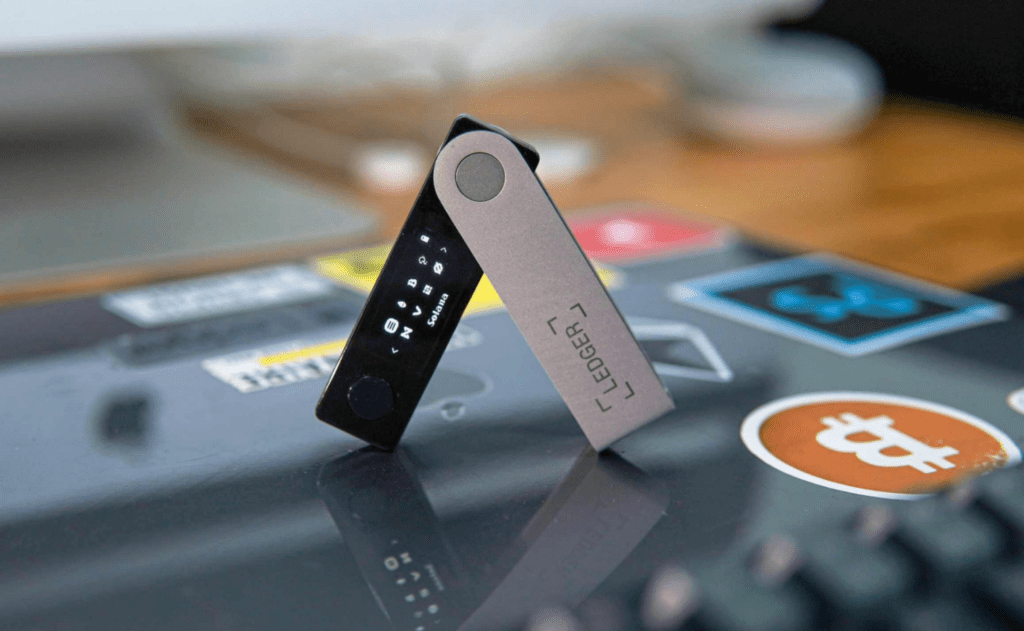
Cold wallets can be used for a long term duration, as they protect private keys by placing them in an offline environment. Even though the cold wallets provide an optimum amount of security, they lack in the protection of high frequency transactions, as to perform a transaction, the wallet must be connected to the device, and the private keys must be exported.
Users must perform adequate backup, as well as defend the device in a secure, physical environment, as if the device is lost, the funds will be lost. Overall, cold wallets are used to protect very large amounts of cryptocurrency, as they will provide security while also limiting frequent transactions.
Key Differences Between Cold Wallets and Hot Wallets
| Feature | Hot Wallet | Cold Wallet |
|---|---|---|
| Connection | Always connected to the internet | Completely offline |
| Security | More vulnerable to hacking, phishing, and malware | Highly secure from online threats |
| Accessibility | Quick access for frequent transactions | Slower access, suitable for long-term storage |
| Examples | Mobile wallets, web wallets, desktop wallets, exchange wallets | Hardware wallets, paper wallets, air-gapped devices |
| Convenience | Very convenient and user-friendly | Less convenient, requires extra steps to access |
| Best Use Case | Daily trading and small amounts of crypto | Storing large amounts of crypto securely |
| Cost | Usually free or low cost | May involve upfront cost for hardware wallets |
Which Wallet Is Safer?
Cold Wallets are Safer Than Hot Wallets:
- Your private keys are safe from phishing attacks and other types of online attacks when your coins are stored offline.
- It is recommended to store large amounts of crypto offline and for the longterm.
Hot Wallets are Riskier, But More Convenient:
- Keeping crypto online all the time exposes them to potential hacks.
- Hot wallets are good for smaller amounts of crypto and more for trading than for long-term storage.
Use the Wallets Wisely:
- Most of your crypto should be in a cold wallet.
- Do not keep a lot of crypto in a hot wallet; only use it for transactions or trading on a daily basis.
Your Security Your Responsibility:
- Use 2FA on hot wallets and keep online as little as possible.
- Cold wallets should be backed up and stored offline securely.
Why Choose Cold Wallet vs Hot Wallet
Why Choose a Cold Wallet
- Most Secure Protection: Since cold wallets are stored offline, things like hacking and theft are not a concern.
- Long Term Protection: Cold wallets are a great option for holding large quantities of cryptocurrency for long periods of time.
- Total Control: All private keys and assets belong to you.
- Less Stress: Compared to online wallets, there is a far lesser chance of becoming a victim of a cyber attack
Why Choose a Hot Wallet
- Easy & Quick Access: The ability to send, receive, and trade cryptocurrency at a moment’s notice is a huge upside.
- Daily Use Wallet: Because hot wallets are generally used for small quantities and a higher volume of transactions, they are a great option.
- Simplicity: Because many hot wallets are app based, they are very simple to use, and even set up.
- Cost Effectiveness: The majority of hot wallets charge either very small fees, or even no fees at all
Benefits Of Cold Wallet vs Hot Wallet
Benefits of Cold Wallets
- Maximum Safety: Since it is an offline storage method, it is immune to hacking, phishing, and other malware attacks.
- Great for Storing Large Amounts for a Long Time: Users can store a large sum of cryptocurrency for as long as needed.
- Absolute Control: Users are given complete control over their private keys and funds.
- Very Low Risk for Cybercrime: Since it is offline, the risks of cybercrime are exceedingly low.
Benefits of Hot Wallets
- Convenient: Sending, receiving, and trading cryptocurrency is very easy.
- Better for Beginners: More simplified design and easy to use apps can be great for newer crypto users.
- Low Cost or No Cost: Most hot wallets simply do not have a fee.
- Great for Small Amounts: Ideal for holding and trading smaller amounts of cryptocurrency.
Tips for Enhancing Wallet Security
Create Stronger Passwords
Keep your wallet and wallet accounts protected with a password that is one-of-a-kind and engaging. Never use the same password for more than 1 wallet or wallet account.
Two-Step Wallets
Protect your hot wallets from security problems that could let unauthorized people into your wallet.
Don’t Keep Your Private Keys Second
Don’t keep your Private Keys on the internet.
Public Wi-Fi Is A No-Go For Wallet Use
hey are unprotected.
Up-To-Date Freedom Is Your Wallet’s Best Friend
Your wallet app, your wallet, and your security apps.
Charts Are Protecting Your Wallet from Scams.
Protect your wallet from people who want to steal your Private Keys.
Risk & Consider
Risks & Considerations of Cold Wallets
Possible Damage or Loss: Cold wallets can be damaged or lost or destroyed. If this happens unfortunately, the crypto funds will be lost permanently.
Possible Thefts or Misplacement: If someone can access the cold wallet physically, then funds can easily be taken.
Less Convenient for Daily Transactions: If wallets are used as a means of payment for frequent transactions, then cold wallets are less usable as it is more time consuming to get to then warm wallets.
Secure Copies Are Needed for Recoveries: If secured copies of private keys or recovery phrases are not kept, then crypto is unrecoverable if cold wallets are lost.
Cost versus Utility Considerations: For a more utilitarian approach, the price of the wallet versus the number of transactions done is an important indicator of if the wallet will be used again or not.
It’s Up to the Users: All the risk due to negligence and the extent to which the cold wallets will be used to lose crypto is up to the users.
Risks & Considerations of Hot Wallets
Vulnerability to Hacking: Cyberattacks, malware, and phishing scams can easily target hot wallets as they store currency online.
Exchange or Service Failure: Providers of hot wallets can get hacked or close down their service leaving users unable to access their currency units.
Weak Security Practices: Hot wallets without two factor authentication and simple passwords are sitting ducks and are robber-friendly.
Limited Control Over Funds: Having a warm wallet means having a 3rd party. You will never fully have access to your private keys.
Internet Dependence: Transactions will be can be highly secured if a reliable internet is established, otherwise, poor network can put users at high risk.
Smaller Amounts Recommended: To limit their exposure to online threats, hot wallets should only be used for small transactions and daily trades.
Pros & Cons
Pros & Cons Cold Wallets
Pros
- High Security: Cold wallets are an online-storage and are therefore immune to hacking attacks, malware attacks, and phishing attacks.
- Ideal for Long-Term Storage: Cold wallets are the best way to store large amounts of crypto safely.
- Full Control: Users have complete control of their private keys and their funds.
- Less Susceptible to Online Threats: Cold wallets are a lot less likely to be attacked by cyber criminals, because the wallets are not connected to the internet.
Cons
- Less Convenient: Cold wallet owners have to connect their wallets to a device to, and this makes them less able to access their funds.
- Physical Risks: Cold wallets can become lost or stolen and can become damaged and this will lead to the permanent loss of their money.
- Cost: Small investors may not be able to afford the front costs of hardware wallets.
- Backup Responsibility: Users need to keep their recovery phrases safe, because, if they are lost, the user will lose access to their recovery phrases or private keys
Pros & Cons Hot Wallets
Pros
- Easy Access Hot wallets are convenient as you can quickly and easily send, receive, and trade cryptocurrencies.
- Beginner Friendly Simple designs and mobile apps often make hot wallets ideal for novices.
- Free to Low Cost A majority of hot wallets have little or no cost associated with them.
- Best for Daily Trading A hot wallet is best for daily transactions of small amounts of cryptocurrency.
Cons
- Lower Security Hot wallets are more susceptible to hacking, phishing and malware due to being constantly connected to the internet.
- More Third Party Control Since they are custodial, hot wallets tend to have less control of wallet, and often users do not have access to the private keys.
- Internet Reliant Hot wallets are more risky when used on public Wi-Fi.
- Not Good for Large Amounts It is not a good idea to keep large amounts of cryptocurrency in a hot wallet because they are more susceptible to online threats.
Conclusion
Because they store cryptocurrency offline, cold wallets are generally safer when it comes to security, which makes them perfect for retaining significant quantities of cryptocurrency for an extended period of time. Conversely, hot wallets provide speed and ease of use, which makes them appropriate for modest or daily transactions.
The ideal strategy is to strategically use both: maintain a lesser amount of your funds in a hot wallet for trading or spending, and keep the majority in a cold wallet for security. In the end, your needs, trade volume, and desired level of security will determine which wallet is best for you.
FAQ
Cold wallets are offline and highly secure, ideal for long-term storage. Hot wallets are online and convenient, suitable for daily transactions.
Cold wallets are safer because they are offline and less vulnerable to hacking, phishing, and malware.
Yes. Keep most of your crypto in a cold wallet for security and a smaller portion in a hot wallet for trading or spending.
Store it securely offline, keep backups of private keys or recovery phrases, and avoid sharing access with anyone.