

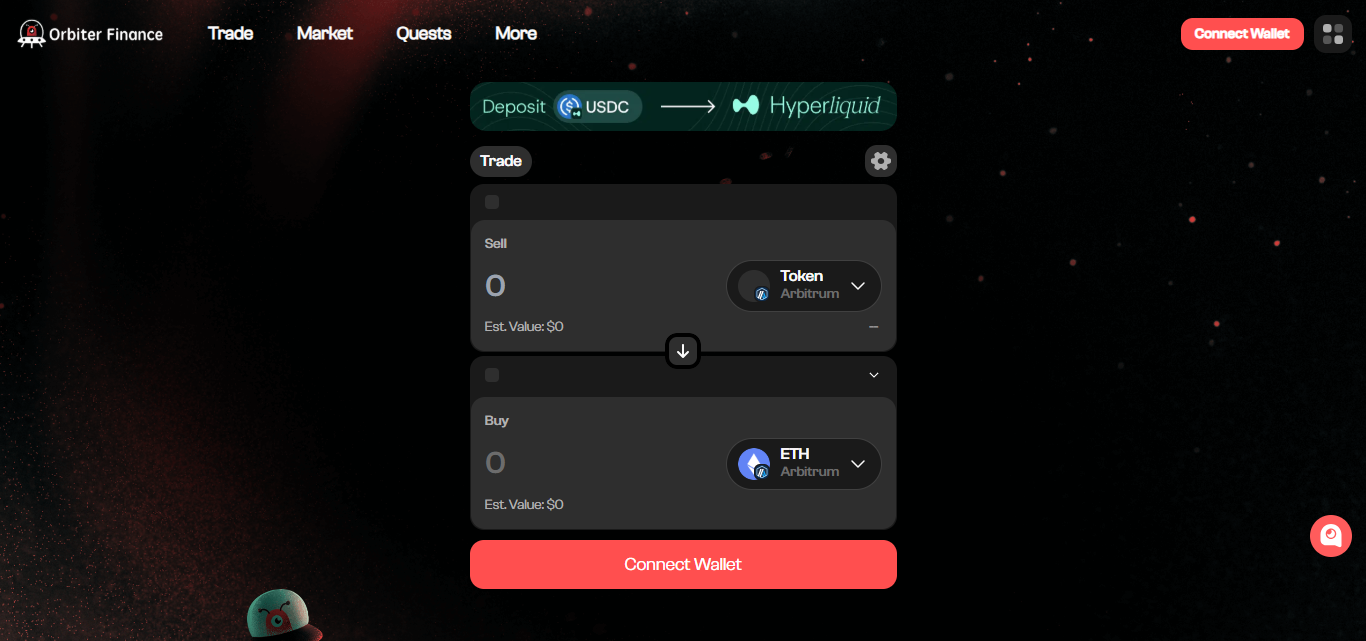
In this article, I will discuss the Best Orbiter Finance Alternatives for L2 Swaps. We will look at reliable platforms for cross-chain transfers, token swaps and Layer 2 transactions.
You will find out their main features, benefits and supported functionalities to help you compare different options and pick the most suitable platform for your decentralized finance needs.
Key Points & Best Orbiter Finance Alternatives for L2 Swaps
| Platform | Explanation |
|---|---|
| Symbiosis Finance | Enables cross-chain swaps across multiple networks with competitive routes and decentralized liquidity access. |
| deBridge | Facilitates fast cross-chain transfers and swaps using secure infrastructure and efficient liquidity routing. |
| Jumper Exchange (LI.FI) | Aggregates bridges and decentralized exchanges to find convenient routes for cross-chain token swaps. |
| Stargate (V2) | Provides cross-chain transfers using unified liquidity pools, supporting efficient movement of assets between networks. |
| Across Protocol | Offers fast, capital-efficient cross-chain transfers using relayers and competitive bridging fees. |
| Rango Exchange | Aggregates multiple bridges and decentralized exchanges for swaps across diverse blockchain ecosystems. |
| Hop Protocol | Supports token transfers between Ethereum and Layer 2 networks using specialized liquidity mechanisms. |
| 1inch (Fusion Mode) | Optimizes decentralized token swaps through intent-based execution and gasless trading opportunities on supported networks. |
| CoW Swap | Uses batch auctions and solver competition to improve trade execution and protect users from MEV. |
| Ring Protocol | Explore its supported networks and liquidity routes to assess suitability for Layer 2 swaps. |
10 Best Orbiter Finance Alternatives for L2 Swaps
1. Symbiosis Finance
Symbiosis Finance is a great alternative to Orbiter Finance for users that want to easily swap tokens between supported Layer 2 networks and other blockchain ecosystems. It has an intelligent routing system that compares the available liquidity sources and the possible transaction routes to find the best exchanges for you.
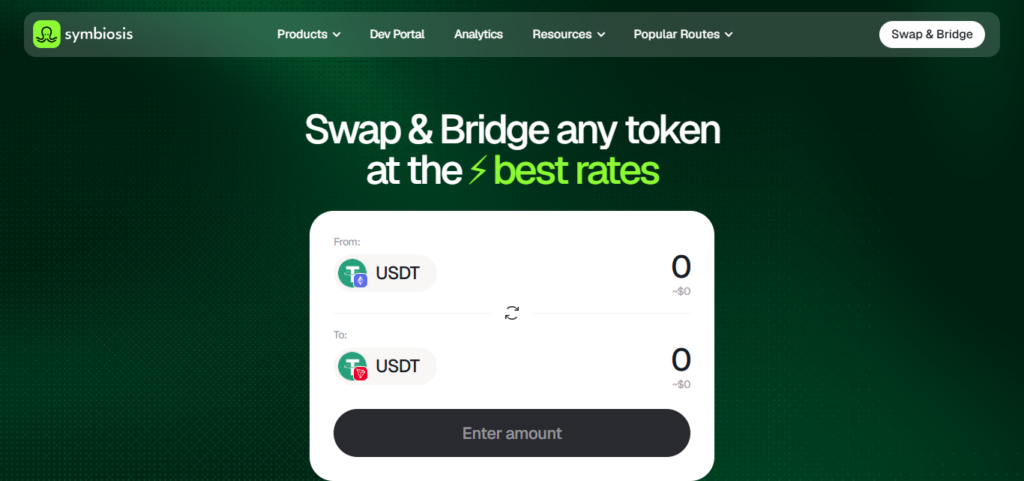
Users can seamlessly exchange tokens across supported chains without having to manually perform every intermediate bridging step. Symbiosis also enables cross-chain transfers, access to decentralized liquidity and developer integrations to build multichain applications. Before swapping, users should compare estimated output, gas costs, slippage and destination-network support to see if the available route fits their needs.
Symbiosis Finance
| Feature | Explanation |
|---|---|
| Cross-Chain Swaps | Swap tokens between supported blockchain networks through a unified transaction interface. |
| Smart Routing | Compares available routes and liquidity sources to identify competitive swap prices. |
| Multichain Support | Connects supported EVM and non-EVM networks for broader asset accessibility. |
| Non-Custodial Transactions | Uses on-chain smart contracts so users retain control of their wallets. |
| Developer Integration | Provides APIs and SDKs for integrating cross-chain swaps into decentralized applications. |
2. deBridge
deBridge is another option for users who want to transfer assets and do swaps across supported blockchain networks. Its DLN liquidity network allows cross-chain swaps without the need for bridge liquidity pools for each transfer. The protocol also allows for same-chain swaps, cross-chain messaging and programmable interactions that developers are able to build into decentralized applications.
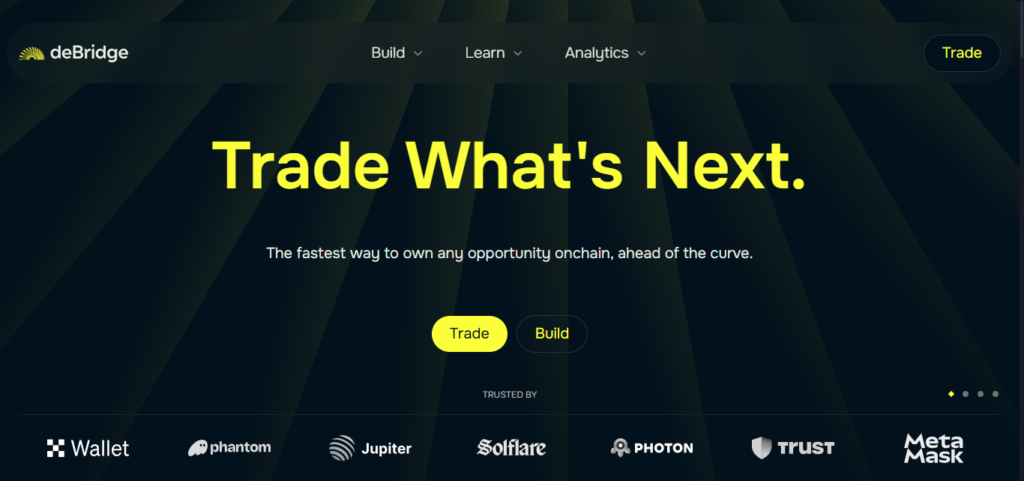
For Layer 2 users, deBridge can make the process of moving assets between the supported networks more efficient, minimizing the need to do multiple manual transactions. Please verify availability, execution costs, token compatibility and the quoted output before approving each transaction.
deBridge
| Feature | Explanation |
|---|---|
| Cross-Chain Transfers | Moves supported assets between connected blockchain networks through cross-chain infrastructure. |
| DLN Technology | Enables cross-chain trading without relying on conventional destination liquidity pools. |
| Fast Execution | Uses its liquidity network to facilitate efficient cross-chain order fulfillment. |
| Cross-Chain Messaging | Supports programmable interactions between applications deployed across connected blockchain networks. |
| Developer Tools | Offers infrastructure for integrating cross-chain transfers and swaps into applications. |
3. Jumper Exchange (LI.FI)
Jumper Exchange offers a user-friendly user interface for token and blockchain network pathfinding. Powered by LI.FI infrastructure, it aggregates supported bridges, DEXs, and liquidity sources to help users find convenient cross-chain swap options.
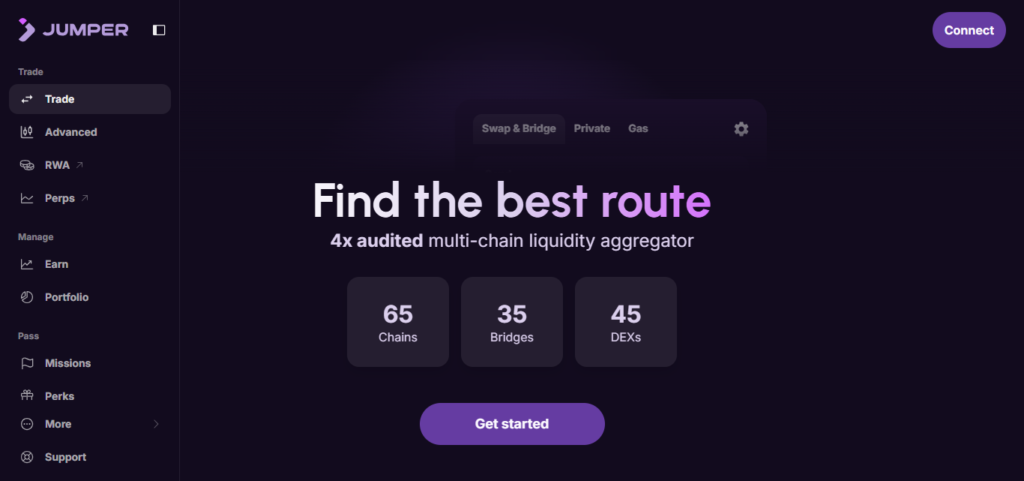
This approach could help the user transferring assets between Layer 2 networks such as Arbitrum, Base, Optimism and other supported ecosystems. Users can see the routes available through one interface, rather than comparing each bridge separately. However, the supported chains, fees, execution times and expected token amounts will differ per transaction so it’s still important to review the quote.
Jumper Exchange (LI.FI)
| Feature | Explanation |
|---|---|
| Route Aggregation | Aggregates supported bridges and decentralized exchanges to discover available transaction routes. |
| Cross-Chain Swaps | Enables users to exchange tokens while transferring assets between supported networks. |
| Price Comparison | Presents route quotes that help users evaluate expected token output. |
| Multichain Access | Connects supported blockchain ecosystems through one convenient swapping interface. |
| Simplified Transactions | Reduces manual bridging steps by combining compatible operations into unified routes. |
4. Stargate (V2)
If you’re a user who cares about moving assets between chains and having dedicated liquidity infrastructure to do so, then Stargate V2 is a valid option. Its architecture is built on top of Stargate’s cross-chain liquidity model
While V2 brings new improvements such as the Hydra mechanism to extend liquidity connectivity to more ecosystems. Users can browse the routes that are supported for moving assets between compatible Layer 2 networks and other blockchains.
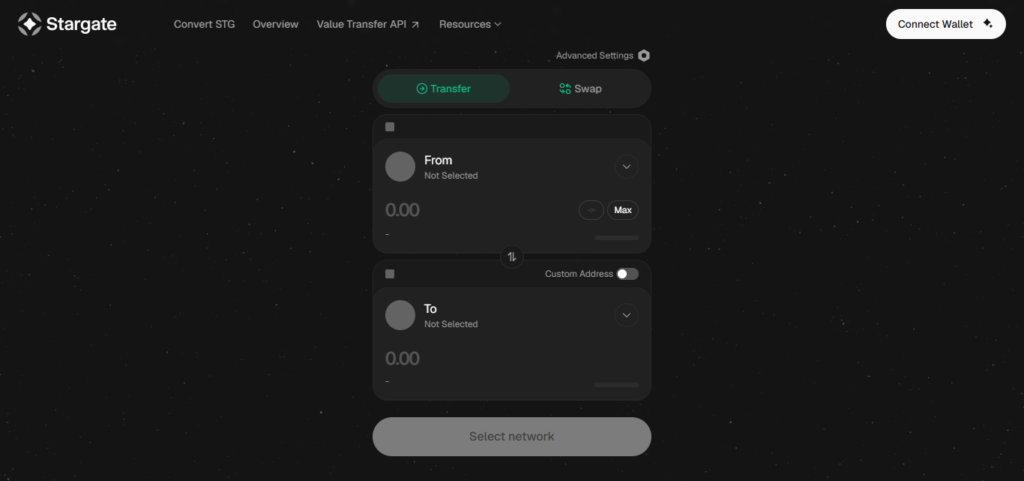
Stargate is especially helpful for moving supported assets between connected networks, although its functionality and available routes are different from general-purpose swap aggregators. Verify supported tokens, destination availability, fees and final amount received before proceeding.
Stargate (V2)
| Feature | Explanation |
|---|---|
| Unified Liquidity | Uses shared liquidity infrastructure to facilitate supported cross-chain asset transfers. |
| Transaction Batching | Stargate Bus batches compatible transfers to help reduce messaging costs. |
| Taxi Mode | Supports individual transfers when users prefer dedicated transaction execution. |
| Hydra Integration | Extends supported asset connectivity to additional chains through Hydra infrastructure. |
| Liquidity Management | Uses credit allocation mechanisms to improve capital efficiency across supported networks. |
5. Across Protocol
Across Protocol focuses on capital-efficient, fast transfer of assets across the supported blockchain networks. Its architecture uses relayers and liquidity providers to process transfer requests, which is useful for users moving funds between Ethereum and compatible Layer 2 ecosystems.
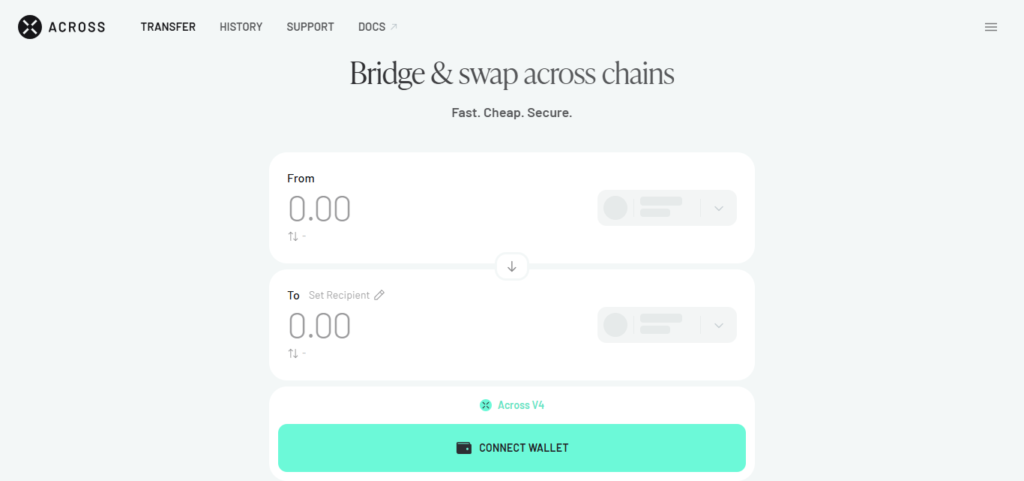
Across can be particularly attractive where speed of transaction and bridging efficiency are valued more highly than a wide set of unrelated swap routes. Supported assets and destinations depend on integrations available in the protocol. Users should compare quoted fees, estimated completion times and available destination tokens before sending funds. It’s a bridging solution rather than an omni exchange aggregator.
Across Protocol
| Feature | Explanation |
|---|---|
| Intent-Based Bridging | Lets users specify transfers that relayers fulfill under protocol-defined conditions. |
| Relayer Network | Uses relayers to deliver assets to supported destination networks efficiently. |
| Capital Efficiency | Uses liquidity providers and reimbursement mechanisms to improve capital utilization. |
| Layer 2 Transfers | Supports asset movement between Ethereum and selected Layer 2 networks. |
| Competitive Fees | Offers quoted transfer costs that users can compare before confirming transactions. |
6. Rango Exchange
Rango Exchange is designed to link users to token swaps and bridging routes across supported blockchain ecosystems. It combines several decentralized exchanges and bridge providers to help users to find different ways to transfer assets between networks.
So, Rango is a solid option to look at if you’re an Orbiter Finance user looking for more cross-chain options, or you want to exchange tokens while you transfer between compatible chains.
The interface might make it easy to coordinate many separate services. But the route availability will depend on the assets and networks chosen. Users should review the transaction details, estimated output, fees and security assumptions before approving any swap.
Rango Exchange
| Feature | Explanation |
|---|---|
| Bridge Aggregation | Combines supported bridge providers to discover routes across blockchain ecosystems. |
| DEX Aggregation | Connects decentralized exchanges to support token swaps across compatible networks. |
| Multichain Coverage | Provides access to supported networks across diverse blockchain ecosystems. |
| Route Discovery | Helps users identify available paths for cross-chain token exchanges. |
| Unified Interface | Simplifies multichain swaps without requiring separate interfaces for every provider. |
7. Hop Protocol
Hop Protocol is a bridge-centric solution for users moving supported tokens between Ethereum and compatible Layer 2 networks. It is built in a way that it uses liquidity providers and special token-transfer mechanisms to allow cross-chain movement without the user having to take care of all the technicalities.
For those who regularly move assets around supported rollups, Hop can be a substitute to Orbiter Finance’s transfer interface. But it is more bridging focused than a full-scale cross-chain token-swap aggregation. Before using Hop, check current network support, available token routes, transfer fees, liquidity and expected settlement time.
Hop Protocol
| Feature | Explanation |
|---|---|
| Layer 2 Bridging | Facilitates supported token transfers between Ethereum and compatible Layer 2 networks. |
| Liquidity Providers | Uses liquidity providers to facilitate asset movement across supported chains. |
| Cross-Chain Transfers | Helps users move supported tokens without manually managing multiple bridge transactions. |
| Rollup Connectivity | Focuses on connecting supported Ethereum scaling networks and their ecosystems. |
| Token Support | Offers transfer options for supported assets, depending on network availability. |
8. 1inch (Fusion Mode)
1inch is mainly a decentralized exchange aggregator that scans supported liquidity sources for competitive token-swap execution. Its Fusion mode, which relies on an intent-based mechanism with competing resolvers, executes eligible swaps if certain conditions are met. This can enable users to easily trade tokens on supported networks without the need to manually compare multiple decentralized exchanges.
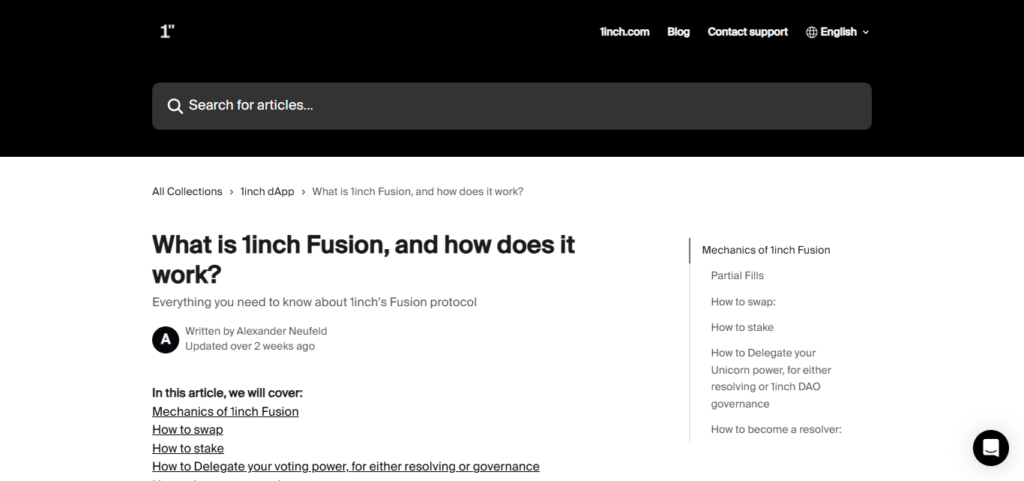
For Layer 2 users 1inch is most relevant when the swap needed is available on a supported network; it shouldn’t be seen as a direct replacement for each cross-chain bridge. Before confirming a trade, check network compatibility, resolver availability, execution conditions, and the output that was quoted.
1inch (Fusion Mode)
| Feature | Explanation |
|---|---|
| DEX Aggregation | Searches supported decentralized exchanges for competitive token-swap execution routes. |
| Intent-Based Swaps | Lets users specify swap conditions for eligible trades through Fusion. |
| Resolver Competition | Allows resolvers to compete to execute eligible orders under specified conditions. |
| MEV Protection | Fusion mechanisms help reduce users’ exposure to certain MEV-related trading risks. |
| Gasless Swap Options | Eligible Fusion swaps can avoid separate user-paid gas transactions on supported networks. |
9. CoW Swap
CoW Swap offers a different approach to swapping tokens, utilizing batch auctions and a competition between solvers and mechanisms to mitigate the impact of maximal extractable value (MEV). It is not a cross-chain bridge but rather seeks to find proper execution for eligible trades across supported networks.
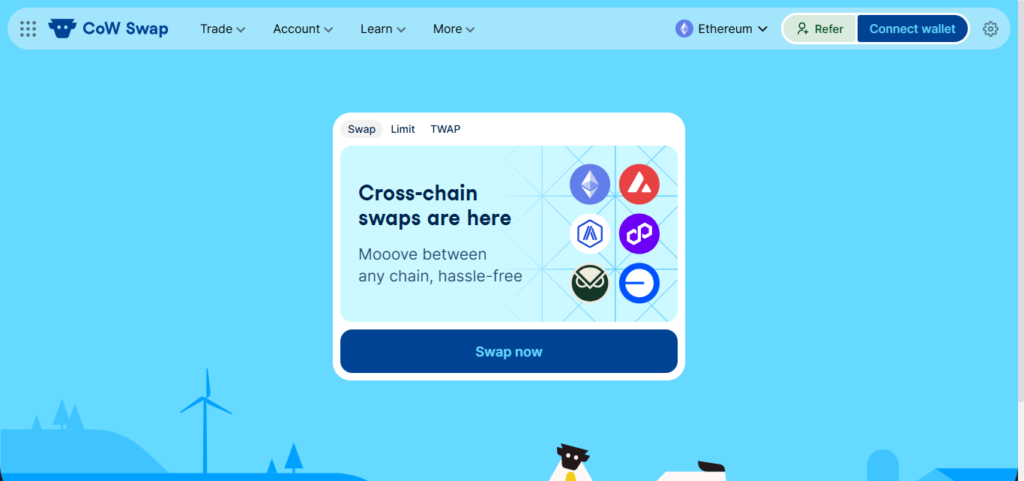
You might want to check out CoW Swap if you’re a user looking for an efficient decentralized token exchange rather than moving assets between chains. So its usefulness as an Orbiter alternative depends on the deal. Please confirm if the network is supported, if tokens are available and settlement conditions. Also if a separate bridge is needed.
CoW Swap
| Feature | Explanation |
|---|---|
| Batch Auctions | Groups compatible orders into auctions to determine efficient trade execution prices. |
| Solver Competition | Lets competing solvers find suitable execution paths for eligible user orders. |
| MEV Protection | Uses protocol mechanisms designed to reduce harmful maximal extractable value effects. |
| Trade Optimization | Seeks efficient execution through order matching and available market liquidity. |
| Non-Custodial Trading | Enables decentralized swaps without requiring users to deposit assets into custodial accounts. |
10. Ring Protocol
Ring Protocol may appear on lists of possible alternatives for cross-chain decentralized finance, but its actual abilities and current backing need to be looked into closely before one can rely on it for Layer 2 swaps. Users should check the official website of the project, supported blockchain networks, token pairs offered, liquidity sources and documented bridging architecture.
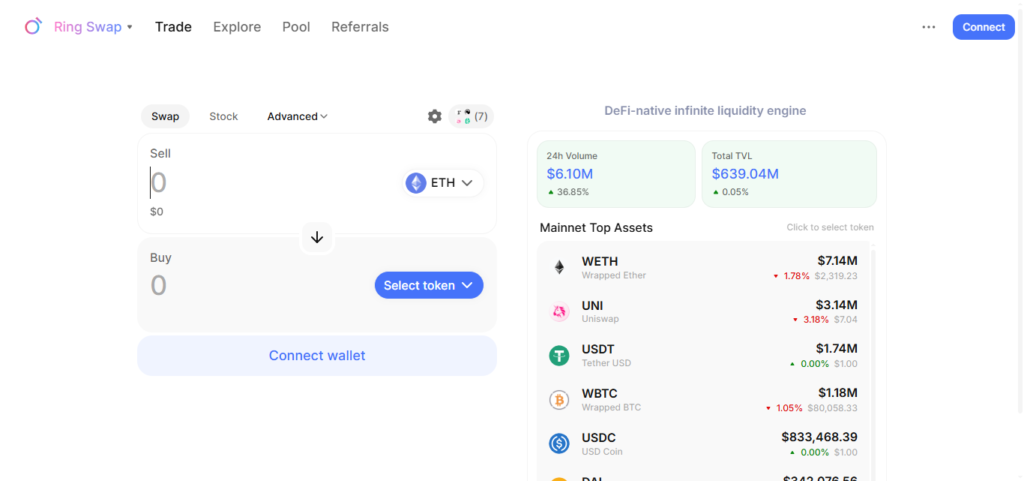
These checks help determine if it offers direct cross-chain swaps, asset transfers or some other type of DeFi functionality. We can’t confidently suggest Ring Protocol as a direct alternative to Orbiter Finance due to a lack of verified information, unlike established aggregators with clear, documented routing systems. Always verify contract addresses and security docs before connecting your wallet.
Ring Protocol
| Feature | Explanation |
|---|---|
| Network Compatibility | Verify officially supported blockchain networks before selecting Ring Protocol for swaps. |
| Token Availability | Check documented token pairs and liquidity before planning cross-chain transactions. |
| Swap Functionality | Confirm whether the protocol currently supports direct swaps or bridging operations. |
| Transaction Costs | Review documented fees, network gas requirements, and expected transaction costs. |
| Security Documentation | Examine verified contracts, audits, and official documentation before connecting wallets. |
Conclusion
Conclusion The choice of the best Orbiter Finance alternatives for L2 swaps depends on your transaction needs, supported networks and budget. The most helpful cross-chain solutions are from platforms like Symbiosis Finance, deBridge, Jumper Exchange
Stargate and Across Protocol. Meanwhile, 1inch and CoW Swap are focusing on decentralized trading. In terms of choosing the best platform for your Layer 2 swapping needs, you should carefully compare fees, liquidity, security, and transaction speed.
FAQ
Yes, Symbiosis Finance supports cross-chain swaps across multiple compatible blockchain networks.
deBridge facilitates efficient cross-chain transfers using its specialized liquidity network infrastructure.
Yes, Jumper aggregates supported bridges and exchanges to discover cross-chain swap routes.
Stargate V2 facilitates cross-chain asset transfers using liquidity management and messaging infrastructure.